Author Archives: glassonyonpr

OPEN – The New Opus By Jon Anderson

For Immediate Release

Open Doors Will Always Open Hearts… OPEN – The New Opus By Jon Anderson

Digital Download Available October 25, 2011

Asheville, NC – Much to the excitement of music fans across the globe, on October 25, 2011 legendary YES vocalist Jon Anderson will release as a digital download an epic musical work entitled “OPEN.” A return to the long-form composition that Jon Anderson is best known for, (“Close To The Edge”, “Gates of Delirium”, “Revealing” and “Awaken”), OPEN is a 21-minute exhilarating musical journey; a pioneering effort that weaves intricate melodic and harmonic themes within a classical music framework whilst showcasing Anderson’s iconic vocals and timeless melodies throughout. In many ways OPEN is a return to Jon Anderson’s musical roots, as YES music continually flows through his veins, making it only natural to revisit now and again. Coupled with wonderful orchestration by his neighbor and good friend Stefan Podell, messages of peace, love, light and freedom are further explored within OPEN, making listening an uplifting and joyous experience!

” ‘Forever taken to that place of understanding,’ are the first lyrics of ‘OPEN’, as though I am always remembering my true musical journey. To create this work, I sat with my 19th Century guitar and strummed ideas last spring 2010. Songs just poured out of me that week, and before I knew it I had created a long form musical idea, and with the help of Stefan Podell’s powerful orchestration, we put together what is now ‘OPEN.’

It has 4 movements all intertwined, and seems to have a life of its own. For those who love this kind of music, I feel so happy to present it as one of many I hope to create over the coming years. My love ‘Janee’ has helped in production with her unique musical observations and her angel voice. I am so happy and thankful… Many Blessings.” Jon Anderson – October 2011

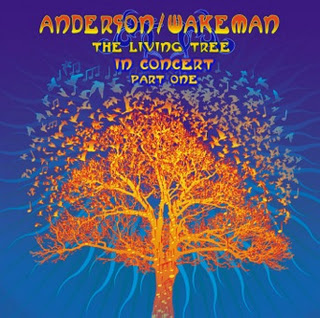
In other news, Jon Anderson is currently on tour in the US and Canada with fellow former YES member Rick Wakeman. The legendary duo performed a series of successful concerts in the UK in 2010 in support of their critically acclaimed CD release ‘The Living Tree’, and have now brought their highly anticipated show to America! In December 2011 Jon will be performing select solo concerts in South America. Go to http://www.jonanderson.com/tour.html for more information. Lastly, Jon Anderson’s latest CD release ‘Survival & Other Stories’ has been garnering rave reviews worldwide by critics and fans alike. You can purchase the CD at: http://www.amazon.com/Survival-Other-Stories-Jon-Anderson/dp/B004XIQHWU/ref=sr_1_1?ie=UTF8&qid=1308606761&sr=1-1

Jon Anderson’s OPEN is available as a digital download on October, 25, 2011 and can be obtained at:
http://itunes.apple.com/us/album/open-single/id474552662?ls=1

For more information: http://www.JonAnderson.com http://www.facebook.com/thejonanderson, http://www.olias-jewelry.com

Press inquiries: Glass Onyon PR, PH: 828-350-8158, glassonyonpr@cs.com


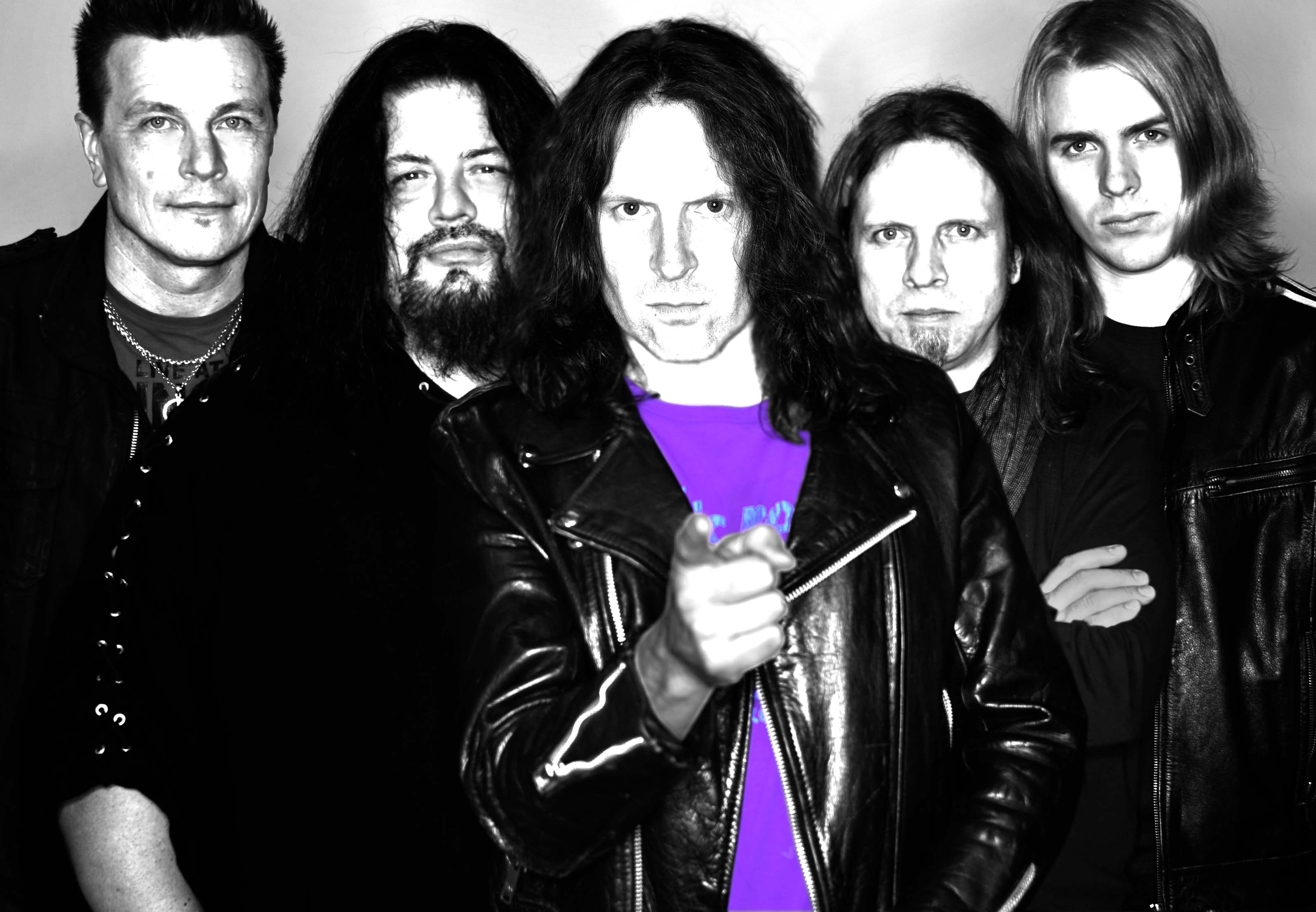
Swedish Quintet of Progressive Rock Royalty Agents of Mercy To Release New Concept Album ‘The Black Forest’

10/12/2011 – Sweden – Progressive rock aficionados across the globe are clamoring for the new release by the Swedish quintet of progressive rock royalty Agents of Mercy. The celebrated ensemble’s third release, ‘The Black Forest’, is a concept album; one 56-minute mega-tune of prog bliss edited into separate slices. Now you’ve heard the term ‘concept’ a million times, but the new album by Agents of Mercy takes the idiom to a higher level, all the while pushing the prog envelope to its extremes.

‘The Black Forest’ is a surreal journey – a mysteriously glowing metaphor for a trip through dark, disturbing, scary times; a lifelong uncertain journey encompassed by greed, lust, hunger for power and money, eternal life, and mind control. And guess what – we’re the prey!!! This is Agents of Mercy’s first concept album with a longer song format. Tales of dark future times, seen through the eyes of a weary traveler in wiggly warped woods of our imaginary journey some 300 years ago. Elzbeth Bathory meets unholy rapists and flesheaters in a quiet town and deformed freaks of a traveling sinister circus haunt you at bedtime. Did you lock the door? Is the monster your neighbor?

“The music this time is a more rock oriented path we’ve taken,” says guitarist, band leader and Flower Kings legend Roine Stolt, “for good reasons – we are a rock ‘n’ roll band at the core, but we sprinkle bits of symphonic, world, jazz, medieval and folk. Guitars and drums have moved forward in the soundscapes, but the gnarly Moogs and mellotrons are still present, this time a bit more haunting and angular. The songs are longer and more elaborate, but sometimes with an iron fist of raw power riffage that resembles Black Sabbath, Deep Purple, Led Zeppelin or early King Crimson rather than YES or Genesis. Don’t fret – in this 56-minute journey there is plenty of symphonic bombardment too. In fact, we think there is even more than on previous albums!”

The music press has described the new album as, “More muscle, more progressive interplay, fat riffing insane keyboard shredding, but with plenty of melody combined with pure classic prog and symphonic moments.”

“We laid down the basic tracks on 24-track analog tape in a lovely studio in the middle of Sweden’s countryside in April,” says Roine, “a place called Varnhem (very dark age). The studio is a top notch, super hi tech, newly built million dollar sanctuary – to our ears it sounds bigger than pure digital; modern but yet fat analog.”

Agents of Mercy are:
Nad Sylvan – Lead Vocals and Keyboards
Roine Stolt – Guitars and Vocals
Lalle Larsson – Keyboards and Vocals
Jonas Reingold – Bass and Bass Pedals
Walle Wahlgren – Drums and Percussion

And what does the immediate future hold for the Agents of Mercy? “I would love to perform ‘The Black Forest’ as one long piece of music, but we’re awaiting the reaction and have not yet decided since we play plenty of older material,” explains Roine. “We’ve just finished a short promotional tour of shows for the release in Europe, and will plan for a longer tour the beginning of next year, In the meanwhile we are playing one-off gigs and festivals. We are also working on a few video things for the album and eventually a vinyl version of it.”

In closing Roine has a message for Agents of Mercy fans around the world: “My message is pretty much what it has been for decades: ‘Love is the only answer’ – with the power of love and compassion almost anything is possible. In the absence of love, the world and our souls are in decay. This new album is indeed called ‘The Black Forest’, but it does not for a minute salute the darkness, it just tries to point out that it exists here and now and that we can turn to the light at any moment – such is the power of will!”

Agents of Mercy – The Black Forest can be obtained at: http://www.flowerkings.se ;

For more information: http://www.AgentsofMercy.com

Press Inquiries: Glass Onyon PR, PH: 828-350-8158, glassonyonpr@cs.com


Magma Legend Christian Vander To Release Tribute To John Coltrane

10/10/2011 – Paris, France – Music visionary and Magma legend Christian Vander will be releasing a tribute to jazz innovator John Coltrane on October 15, 2011 – l’homme suprême .

“On July 17, 1967, time stopped. The great saxophone player John Coltrane left us. I was lucky enough to discover, at a very young age, an exceptional musician. The beauty, the spirituality, the strength, the softness, as well as the fragility of notes. The expression of that sound which spoke to me like a voice. From that moment on, he became my daily bread. Indispensable. No one can ignore the immensity of his visionary works. It still resonates in all of today’s musical productions, and certainly in those of tomorrow.

In 1997, I had a dream, a record, dedicated to John Coltrane. A child painted the sun on a white cardboard, and below that sun, he wrote a title in blue… John Coltrane l’homme suprême.”

Christian Vander

This CD was recorded in 2011, day after day, between July 17, the date in which John Coltrane departed, and July 21, the day on which his funeral was held. On each day, an offering, a musical, poetic gift, for him, was created in real time. On the 21st at midnight, the record was completed.

Featuring: Christian Vander, Stella Vander, Simon Goubert, Pierre-Michel Sivadier, Frederic d’Oeslnitz, Phillippe Dardelle, Isabelle Feuillebois, Herve Aknin, Marcus Linon, Sylvie Fisichella, Sandrine Destefanis, Julien Tessier

“For my work, it is still Coltrane who actually gives me the real material to work on, to be able to move on.” Christian Vander

Available October 15, 2011 – CD in DIGIPACK + 24 page booklet
http://v2.seventhrecords.com/en/christian-vander-21/john-coltrane-l-homme-supreme-1101.html
Press inquiries: Glass Onyon PR, PH: 828-350-8158, glassonyonpr@cs.com


Jon Anderson and Rick Wakeman (Yes) discuss their collaborative album and tour – ‘examiner.com’

Are there any plans to release a live CD and/or DVD of this tour?

John Anderson: Yes, we have a live CD. [It’s] just part one of the show; the second part will be from this current USA tour.

Rick Wakeman: Jon and I haven’t really discussed this, as the live album from the UK tour has only just been released. Personally, the next thing I’d like to see from Jon and myself is a DVD; one that is put together from a special one-off show in a special venue. I think we could do something very special. I’m sure Jon and I will chat about it on the tour. We chat all the time so the subject is bound to come up as to “what’s next!”

I’ve heard about an Anderson/Wakeman/Rabin collaboration album. Any news or comment on that? Why exactly do you want to do this project with each other?

RW: [I’m] waiting to hear from Trevor at the moment. To be fair, I certainly haven’t chased him, as I’ve been so busy this year (as indeed Jon has and certainly Trevor as well). I really want this to happen; I believe it could be amazing in so many ways. I will certainly play my part in trying to bring this to fruition.

JA: We’ve talked about creating a project; it’s just finding the right time to work together.

How did The Living Tree project come to be? What made you guys want to work together on a project (besides the obvious Yes connection).

JA: We had been touring in 2007 together and had so much fun, so last summer we talked about touring the UK in October of last year. [We] started writing songs to perform on stage together, [and] we eventually wrote enough songs for an album.

RW: Jon and I have talked about doing an album together for years (ever since we wrote “The Meeting” together, to be exact). We never, ever wanted to force the issue, though, as that is a mistake. True composition is inspirational and you can’t just bring that on. Too many albums these days have good sounds and good playing, but [they] lack in substance and compositional material. We didn’t want that to happen, so we were very, very picky about the music we used. A lot [of it] never made it to the recording studio, that’s for sure. We really made it work for me, and I think Jon as well, is the excitement we both had waiting to receive each other’s input as the music went back and forth. Because of the time change, it was not unusual for me to get up in the early hours of the morning to see what Jon had sent through!

How was the material written? How do the songs on The Living Tree differ from your solo work stylistically?

RW: I would go into my studio with my engineer, Erik Jordan, and literally think, “Jon Anderson.” I could see him in the studio and I could hear his voice constantly in my head, and from that, music evolved that I felt pretty confident that Jon would want to add melody, ideas, lyrics, and meaning to. The majority of the time, that’s exactly what the outcome was. We would then send the files to Jon and he would work on them and send them back. Then we’d do more work on our end and send them back again. This ping pong programme continued until each track had reached fulfillment. When I write for me, I think, “me.” I believe true composition can only be achieved if the mindset it correct. Therefore, it is important to think constantly about the goal you are trying to achieve.

JA: Rick would send me MP3s of music and I would sing melodies and lyrics and send them back for his thoughts. He sent this wonderful music, so it came very easy to sing ideas. It’s as though we were in the same studio (well, we are on the same planet). I think using the internet is so great. It was such fun to receive the music.

Will you be playing The Living Tree in its entirety? What about other songs? Can you discuss specific Yes or solo material that will also be included?

JA: We will perform most of the songs from The Living Tree plus Yes classics, including “Awaken.” It’s great to do the songs stripped down, [and] we might play the Paul Simon song “America.” We have a lot of fun on stage; Rick likes his jokes, so it’s a very relaxed evening [full] of fun and good music.

RW: No, but quite a lot of it! It’s a mixture of music that Jon and I have been involved with over the years. Of course, there’s some acoustic Yes stuff with very different arrangements (obviously). But they work very well and are very enjoyable to play.

In terms of that other material, how have the songs been reworked for this new tour?

RW: There are no rules on how to do this. It’s the pair of us in a room, working together and playing together and running through all the possibilities that could work. [We] then choose what we think is best for the song and the concert.

JA: For some reason, both the old and the new songs take on their own life, as though we wrote them all last month.

The press release says, “The duo promise a magical evening of music and humor for all who attend!” What kind of humor can attendees expect?

JA: We talk about how we wrote the songs, and sometimes Rick gets very “blue.” Rick does stand-up in the UK, so you never know what he’s gonna come out with.

RW: Stuff that makes them laugh, hopefully!!! We don’t rehearse what is said between pieces. I tend to interrupt Jon a lot and away we go. Jon has a wonderful sense of humour and the most infections laugh I think I’ve ever heard.

As a duo, you’re being billed as the “’Heart and Soul’ of Prog giants YES.” How do you respond to this assessment? Does it imply that your contributions were more important than the other members’?

JA: No, not really. I think they say that to show how important we were to the band’s creative process.

What do the other members of Yes think about your collaboration? Has there been any response from anyone?

JA:I don’t know what they think; we are not in touch anymore. That’s life.

Well thanks for taking the time to speak with me, guys. I’m a big fan.

RW: Sure, Jordan.

JA: Happy to do it.


Morley Views – ‘Antimusic’

by Morley Seaver

20111007-082055.jpg

I didn’t like prog music when I first heard it back in the early ’70s. I was used to snappy two-three minute songs and an immediate melody. My friend Dave was a prog freak and played me stuff all the time. I was always like “….What?” I was looking for a concise hook and not finding any and couldn’t understand what he saw in this stuff. It took a little while but eventually Dave’s persistence paid off and I was basking in ELP, Genesis and especially YES.

Over the years, my love for the bands have deepened to a degree that I would never have imagined back in my youth. There are many elements that are integral to prog music but to my ears, none so much as the golden voice of Jon Anderson. As vocalist and lyricist for YES, Jon has a way of pulling you into each song. He had been a cornerstone of YES since forming in the late ’60s and is responsible for some of the genre’s most adventurous and beloved songs like “Roundabout” and “Close to the Edge”.

For the last several years following a severe respiratory illness, Jon has been a solo artist. Although he has reunited with fellow YES comrade Rick Wakeman from time to time, he has spent most of the last few years working on a series of solo records. He has adopted a unique approach for these records, collaborating with strangers over the Internet.

The first of these records is Survival and Other Stories, an excellent record that sparkles from top to bottom. The songs are top notch and they are capped off by Jon’s sterling voice.

After nearly 40 years of listening, it was a tremendous honor to get to talk to Jon by phone recently to discuss the new record. This interview is dedicated to my friend Dave who helped open the gates and start me on my way with this kind of music.

antiMusic: Congrats on Survival…. It’s an amazing record and by far my favorite solo record by you. It’s a very interesting concept that you developed for this record. Tell us how it went from a germ of an idea to reality?

Jon: Well, first of all I put an ad of sorts on the website and said I wanted to collaborate with people and I got all kinds of responses. So basically I started working with people once or twice a week and within two years I had a lot of people that I was working with and am still working with on the albums.

Eventually I ended up with a lot of songs in a lot of different styles. Finally I had enough for one album, actually three albums so I decided to finish it and put it out and I was curious to see how people would react to the project.

antiMusic: How many responses did you get and how many of them were actual serious entries?

Jon: I think I had over 100 but I ended up finishing up with about 20 people that I work with on a general basis. And every now and again someone will send me some music through the website that just fits somehow — I just got something interesting a week ago — and so I’m working with different people on different projects.

antiMusic: So you’re looking at this as an ongoing project, not just limited to a one-time cattle call sort of thing?

Jon: I think it will be an ongoing thing because there are a lot of very talented people out there and I’m very happy to work with them. So we’ve opened up some new avenues for me musically to work on, you know? So I’m very, very pleased at how this is all developing.

antiMusic: So the people that sent in the music were actually the ones that were composing the music and delivered what we hear on the record?

Jon: Oh yes. The first track is by Jamie Dunlap and he makes music for the TV show South Park so he was interested in working with and so he sent me some music which I liked and we went from there. The second song is by a guy from Holland, Peter Kiel. He sent me a guitar piece and I sent him back to him and we developed something. So it’s a real spontaneous event.

antiMusic: You are credited with the song as well as lyrics, obviously. Did you have any of the melody lines or song shapes in place in your head prior to receiving the input from your contributors or were they inspired after you heard the music?

Jon: Basically, I’d put the music on and within the first 10 seconds or so put the microphone on and just sang what came to me spontaneously. So the music would be the way it was and so it was just a matter of crafting the lyric. So it was a very interesting way of putting together a song.

antiMusic: How much back and forth went on for the average piece?

Jon: I’d say maybe half a dozen to a dozen times we’d send it back and forth. It would just be a matter of different ideas like “Could you put some hand drums on this track?” Eventually, then I’d just say, can you send me the file and I’ll mix it here because I’d do all that here in my studio.

Some tracks like “Incoming” took a long time to visualize and we’d start with the music and it was a very delicate idea so we took a bit longer. So some tracks would take longer than others.

antiMusic: Were there any pieces of music that surprised you or were not quite what you were expecting?

Jon: Well, most of the music comes and it’s a surprise right away and you like it and you’re grateful that it came to you. I suppose there were some instances where you would think, “Well gosh, where does that come from?” There were some times that the music would inspire a certain energy to sing about something lyrically and that was always an interesting development. So it’s a really interesting way of working with people, by way of meeting them through the Internet, you know?

antiMusic: Which was the first piece that you received that actually became something you used on the record?

Jon: Oh gosh, I can’t remember. There were so many in those first couple of months. I think the song “Love and Understanding” came from a guy in Australia who had been working on a whole musical which was a rock opera and it was kind of long. We had been working on a couple of things but that first track, “Love and Understanding” was, I guess, five years ago now.

antiMusic: Was there one piece that helped shape or shift the project from what you initially envisioned?

Jon: Not really. I think when you put together an album…my wife Jayne, she loves music. She knows music. She was very instrumental in making sure that the tracks that would be on this first record were the right songs for this time. So she asked that I mix certain tracks either a little louder or stronger or bringing up the piano here or could we have less basses here or should we have more harmonies here? It was just a very, very wonderful way for making an album with someone you love.

antiMusic: In my nervousness off the top, I forgot to ask you how your health is these days?

Jon: Oh, a lot better than it was three years ago. I’m very, very happy. We just finished touring so I’m a little tired now. But I was on the road for three to four months. So I’m having a break now which is really cool. Then later this fall, I’m going to go on tour with Rick Wakeman which will be fun.

antiMusic: Do you think that putting the record together this way, geographically speaking, removed some of the barriers, in particular the intimidation factor? I mean I can’t imagine being one of these musicians and standing next to a legend across the studio glass or even more frightening right next to me as I played?

Jon: Probably yeah. I don’t think about it too much. But it’s something you get used to. Standing in front of somebody that you really look up to can be very daunting. But I’m just a person. I was just at the School of Rock and those kids had to play in front of me. I’m just a guy who makes music. I’m as regular as anybody. After awhile they just became cool. Because I’m very open about what I do. I’m very easy going, you know? I like to challenge people but that’s part of life.

antiMusic: Tell us about a couple of the songs, either about the lyrical ideas or how the song came together. The first one I’d like to talk about is the opening song “New New World”. It’s the closest to Yes territory that you venture mostly due to that bass line and obviously the percussive elements. I assume that the new world theme at least in part talks about the open road in front of you as a solo artist.

Jon: Well, that’s true, but it’s actually an idea that we’re living in a new world with the Internet. We are living in a very exciting time where things are changing so fast and people can see it instantly around the world. Globally we’re changing. So we’re living in a new world and that’s what I’m singing about.

antiMusic: Despite my love of some of the more convoluted music that you’ve been involved with in your career, one of my favorite songs is the straight-forward “Big Buddha Song”. What can you tell us about that?

Jon: Well, the verses are really about the confusion of war and how corruption is a very bad element of the human condition. In order to open up our state of mind, we need to examine some of the great people like Jesus, Mohammed, Buddha, Krishna and of course Gandhi, Martin Luther King…people who said things that sometimes we didn’t understand and that’s what the song tries to explain. That we’re all committed around the world and we should wake up a little bit.

antiMusic: One of my other favorites is “Effortlessly”, just a beautiful vocal. How did that one come together?

Jon: Well, Jamie, the guitar player just sent that guitar piece. He’s also the guy who did “New New World”. I just sang a vocal straight away and said, “This is so cool.” It was just like the title, effortless to put together…a rare kind of thing.

antiMusic: By far my favorite track on the record is “Cloudz”. My god, what a beautiful song, Jon. What can you tell us about that?

Jon: Well, Paul who is a musician in Vancouver, sent me that piece. And I sang that right in the middle of the operations that I was having. And it was just such a delicate tone and when I was coming out of those operations and after one of them I was waking up and was in this cloud and was trying to think “What just happened to me?” and then I saw my wife lying next to me. We were both on this beautiful life experience and she really helped me through these really difficult times. And when you spend as much time in hospital as I did, you realize there’s so many people in hospitals around the world and there’s so many wonderful doctors and nurses who try to fix you. And the song relates to survival and that kind of thing and how we’re all together in this human experience.

antiMusic: What was it about “Just One Man” that made you want to revisit it here?

Jon: Well, actually I wrote that with Jeremy Cubert and we work on different songs all the time. He’s a very beautiful musician. And I recorded that a couple of years ago. And I also recorded that with Rick because I thought it was very good for his style of piano. I just thought it was a very strong song to be sung.

antiMusic: You’ve mentioned in other interviews that you have enough for two other records. Will they be thematically or sonically different than “Survival”?

Jon: I don’t know for sure but I think they will be, yeah. Because the songs are not actually the same. I mean they might not sound the same but they’ll just be a different version of the idea.

antiMusic: I’ve always been curious. You were (and still are, I presume) a major Beatles fan. How does somebody who listened to concise chorus-heavy pop gems like that, conceive and work out pieces like “Close to the Edge”? What was the initial spark that led you to go, “I want to go over there”?

Jon: It’s so funny. Back…a few years after we first started, FM radio was just beginning to take off and they would play some of our recordings. I think it was around the time of The Yes Album or Fragile. So all of a sudden, doors started opening for longer pieces of music and I was so into that. Because I just loved the idea of recording pieces of 10 minutes, 15 minutes without doing long solos. You had to set some musical structures. So I just wanted to experience that for me…on stage and take the audiences on these journeys. So that’s how we got into Close to the Edge and then …Topographic and “Gates of Delirium” and “Awaken”. These, for me, were very, very exciting experiences to record and also to go on stage and perform. And so the whole concept was because of FM. And then all of a sudden, FM disappeared (laughs). So there was no one to play our music. And everybody was like “Uh-oh! What are we going to do now?” But I said, well the concept still works, we should still continue to do long-form music. I don’t think there’s any point in changing it. And thankfully the guys in the band agreed with me.

antiMusic: I’ve waited almost 40 years to ask you this since I’ve never seen an official explanation by you or the band. What the heck is a Khatru?

Jon: Well, it’s a real juxtaposition. I work in metaphors all the time. Khatru is pronounced ha-trew and is actually Yemin for “as you wish”, “take everything as you like”. A bird of prey when it’s catching its prey is not thinking it’s horrible. It’s thinking that it’s life — it’s a beautiful experience. So there’s so many metaphors on that song. I mean, even Siberians goes through the same emotions that we do. They’re people like us just geographically distant from us. But we’re all basically the same.

antiMusic: For somebody that has always steered away from the commercial alleyways, what are your thoughts now looking back at the 90125/MTV era?

Jon: Well, it was very exciting. When we started touring that album — which I love — because I love that production and I love the idea of that album. And my idea was that OK, I’ll do this record and then on the next one I’ll go back and help steer it back to longer songs because I loved the idea of more people getting exposed to longer-form music. But of course the guys didn’t want that and the record company didn’t want that. So they kept me out of the way for Big Generator and I did an album or two with Vangelis. But I was glad I was in on 90125 because I thought the recording was amazing and the production was amazing. And then I went to see a movie called Spinal Tap and that changed my whole concept (laughs). But it was beautiful. It was good in one’s lifetime to become a mega-star for ten minutes, you know (laughs). But I wanted to take them on the next direction…another journey. I had so many dreams and ideas but they didn’t want to do that, so ….

antiMusic: You mentioned touring with Rick this fall. Do you have any plans for another record somewhere down the line?

Jon: Maybe. You know, The Living Tree is a really nice record. It’s really good on stage. It works. Doing those songs on stage is really a trip. And we’re also going to do “Awaken” which will be like a shortened version of the idea but we’re going to be doing that. As far as recordings, we’ll just have to see what happens. You never know.

antiMusic: Well, I could talk to you all day but I know you have to move on. I thank you so much for taking the time to talk with us. I just have to say you have no idea what your music has meant to me. It’s enriched my life in so many ways and even though I know your career still has a long way to go, in case I don’t get to speak with you in the future, thank you so much for all the music you’ve made.

Jon: Thank you so much for being so honest about life and stuff, Morley. I wish you well. Take care.

20111007-082202.jpg


Open – Jon Anderson


World Exclusive: Jon Anderson to Release New 21-Minute Song ‘Open’ in October – from Atlantic City Weekly

The former Yes lead vocalist and long-time creative force in modern music has been working on a new song for a year. On Oct. 25, he’ll release “Open” as a digital download.

By Jeff Schwachter

ATLANTIC CITY — Jon Anderson, one of the most recognizable voices in classic rock as the long-time lead singer and songwriter with the progressive-rock group Yes — and as a member of numerous incarnations of bands with many of the same members of Yes, in addition to other artists such as Kitaro — is giving himself a birthday present for his upcoming 67th birthday on Oct. 25.

Anderson, who spoke with Atlantic City Weekly on Thursday, Sept. 29, from his home in central California, where he has a cottage recording studio, is about to embark on a tour with sometime Yes keyboardist Rick Wakeman.

The pair’s tour of the U.S. and Canada will stop in Atlantic City at the Tropicana on Saturday, Oct. 29.

Four days before the Atlantic City date, Anderson, who recently wrapped a successful tour of the East Coast, dubbed “An Acoustic Evening with Jon Anderson,” will release a brand-new song called “Open.”

The song, which Anderson has been working tirelessly on for several months, will only be available as a digital download — at least upon its initial worldwide release on Oct. 25, Anderson’s birthday.

“I’m releasing a 20-minute work on my bithday,” Anderson tells Atlantic City Weekly, “on the 25th of October. I’m just finishing that up now. It’s called ‘Open,’ and you’re the first person [from the media] I’ve spoken to about it, so — exclusive!”

Anderson says he composed the song in 2010 and since then has had neighbors, friends, colleagues and musicians from just about everywhere help him construct the piece.

“Last summer I was with the young teenagers from the Paul Green School of Rock on Long Island, and they just did a tweak here, a piano part there, and this and that and that was sounding great, so they helped. And then I brought in other people a couple months ago. Then I started singing it and I thought, ‘OK, I think it’s getting ready to be finished now.'”

Anderson worked on “Open” between a couple successful tours. Since getting off the road from his latest acoustic tour, he says he has been able to hone in and put the final touches on the song, which is actually 21 minutes long to be exact.

In June of this year, Anderson released a new solo album, filled with 11 new compositions and entitled Survival & Other Stories.

Anderson suffered serious health issues in 2008, which put a halt to his busy work schedule. For decades he had been the driving force behind Yes, but in recent years the band has continued with a new lead singer.

Anderson says he doesn’t hold any grudges, and is just happy to be creating music.

The song “Open,” he says, is in “what you would call the Yes classic style of music. That’s what I did for 35 years. And I would always go in with these crazy and wild ideas with Yes [to] try big pieces of music, [teling the other band members}: ‘don’t be afraid,’ and [meanwhile] the record companies and managers are all tearing their hair out.”

Anderson has always felt very strongly that music is a powerful medium.

“We shouldn’t have to stop short at three minutes and thirty seconds simply because [a song] is not able to be played on the radio,” says Anderson. “You should always create music for what it is — and that’s what I do.”

Music, says Anderson, is art — not a commercial product.

“Being part of [the creative process], in your heart you think you’re doing this or that, but actually you’re just a conduit to the world [and] to the energy that surrounds us,” he says.

“And I’m just happy to be able to do it. And I think people like this sort of music so we’ll see if we can get a lot of people to download it.”

Anderson says “Open” will be available as a download on mainstream sites such as Amazon and iTunes.

“After that, if people really like it, I’ll put it out with other songs next spring or something like that,” he adds. “That’s what I was thinking.”

Anderson hopes to have the song’s final mixing completed by next week.

“I’m busy everyday in my studio, writing new songs, recording with different people and now this wonderful piece of music I’m trying to get a lot of fixed and mixed this weekend,” he says.

Hopefully, adds Anderson, by the time he and Rick Wakeman hit Atlantic City on Oct. 29, people will have already heard the song.

“I’ll be dying to hear what they think,” he says.

Anderson allows a brief description about what “Open” is about.

“It’s about being open,” he says without a trace of humor, “and how if you open the doors of your heart that you will be fulfilled in all things that surround you, all the beautiful goodness of the world. Because if you close up, and remain all closed up, and do too many drugs, or do this or that, or eat too much food, shopping, whatever, you [wind up] meeting the same kind of people and everybody drags everybody down to a very unhealthy place.

“So you got to be open about life, and very open about things because there are people out there who are very, very joyful and helpful and beautiful. So, the more that we open up, the more that we will understand how beautiful life is and that we’re all born on this planet and that we [need to] look after Mother Earth, because Mother Earth is ours. And if we’re messing with the planet then we’re messing with [ourselves] — you know, that kind of thing.

“There’s sort of a revolution going on because of the Internet,” adds Anderson, “a sort of waking up of the truth.”

Despite Anderson’s motivation to create this 21-minute piece of music — i.e, that there are a lot of closed-minded people in the world, which in turn has created a wealth of problems on “Mother Earth” — the British Californian who lives with his “beautiful wife and kids,” is far from a pessimist.

Does Anderson think there is hope for the future of mankind?

“Oh gosh, yes. Totally,” he whips back unequivocally.

“Right in the middle of the song, in fact, the words are: ‘There is always hope.’

“And that’s what happens. You know, [I] write songs and I’m guided into writing the kind of music that I write and the songs that I write and it inspires me and inspires other people so why not, you know?”


Legendary Keyboard Wizard: Rick Wakeman – Herald de Paris

BY AL CARLOS HERNANDEZ ON SEPTEMBER 25, 2011

HOLLYWOOD (Herald de Paris) – Richard Christopher Wakeman is an English keyboard player, composer and songwriter best known for being the former keyboardist in the progressive rock band Yes. He is also known for his solo albums, contributing to the BBC comedy series Grumpy Old Men and for Rick’s Place, his former radio show on Planet Rock that aired until December 2010. He still programs Radio out of Dublin on a station called Nova.

Wakeman has produced over 100 solo albums that have sold more than 50 million copies. In November 2010, Wakeman was awarded the Spirit of Prog award at the annual Marshall Classic Rock Roll of Honour awards.

Wakeman was born in West London. He purchased his first electronic keyboard at 12 years of age. In 1968 he studied the piano, clarinet, orchestration and modern music at the Royal College of Music before leaving after a year in favor of session music work. He
went on to feature on songs by artists including Ozzy Osbourne, David Bowie, T. Rex, Elton John and Cat Stevens. Wakeman joined the folk group Strawbs in 1969 and played on three of their albums.

He first joined Yes in 1971 to replace Tony Kaye and left the group in 1974 to work on his solo career. He returned in 1976 before leaving with lead vocalist Jon Anderson in 1980. Wakeman was part of the side project Anderson Bruford Wakeman Howe, a group of ex-Yes members formed in 1989, and the eight-member Yes line-up that followed until his third departure in 1992. He returned for two years in 1995 and once more in 2002, where he was part of the band’s 35th anniversary tour until its end in 2004.

Wakeman began his solo career during his first run with Yes. His perhaps most known records were his first three: The Six Wives of Henry VIII (1973), Journey to the Centre of the Earth (1974) and The Myths and Legends of King Arthur and the Knights of the Round Table (1975).

Much to the delight of fortunate music fans in the Eastern part of North America, music legends and former YES members Jon Anderson and Rick Wakeman will be playing a select number of engagements this coming Fall 2011. The legendary duo performed a series of successful concerts in the UK in 2010 in support of their critically acclaimed CD release The Living Tree and are now bringing their highly anticipated show to America. Having worked together on and off since 1971’s groundbreaking YES masterwork Fragile, Jon Anderson and Rick Wakeman have traveled similar musical paths that have eventually and happily led their careers back together again. Now, once again, the duo promise a magical evening of music and humor for all who attend. “Expect a night of music, full of YES classics and new adventures in song from The Living Tree album and moments of brilliance, humor and affection born from a friendship and musical partnership that has lasted 40 years,” says Jon. “We knew from the responses on the last YES tour that the acoustic section was extremely popular and that many of the pieces could be re-arranged and adapted to make very interesting and, hopefully, enjoyable new ways of playing YES music and our own music,” adds Rick. The tour is being produced by Metropolitan Talent Presents and is booked by Keith Naisbitt of Los Angeles based Agency for the Performing Arts. John Scher co-CEO of Metropolitan says, “We are incredibly proud to be presenting the North American debut of this legendary duo. Jon and Rick ARE the voice and sound of YES, as well as famously successful solo performers. This tour will be a real treat for their legions of fans.”

UK press recently commented about the Anderson Wakeman tour:

“One of the songs played on the night was the impressive ‘23/24/11′ (from Anderson Wakeman – The Living Tree), the true story of a soldier out in Afghanistan who had that amount of time left to serve as his tour of duty. Looking round at the audience there wasn’t a dry eye left in the house. Once more the combination of Jon’s amazing vocal style and the lyrics work perfectly.” – Ian D. Hall, LS Media, UK

“Anderson showed yet again that he is the true voice of YES…Wakeman provided the keyboard wizardry and a stream of stories.” – Ian Harvey, Express & Star, UK

“Supporters of these two legends can witness, close up, their unique bond which spans almost 40 years; and why these two are being billed as the ‘Heart and Soul’ of Prog giants YES.” -Classic Media, UK

“Constant humorous interludes and witty interjections from the pair helped enliven the show and added a welcomed lightness. Not only were these anecdotes entertaining, they were also insightful…these two are a perfect creative partnership.” – Neil Mach, Staines Weblog

Herald de Paris Deputy Managing Editor Dr. Al Carlos Hernandez spoke candidly with Rick last week:

AC: You said recently that you had dreams for Yes in the twilight years. Now that it is over forever, are you planning to achieve those dreams though your collaboration with Jon?

RW: I have many different dreams that I want to fulfill, but dreams change all the time as different things occur in your life. I never saw Jon Anderson and I working together as a replacement for the now “dead” dreams I had with the band Yes. What Jon and I do is totally stand alone. I have great affinity and understanding with Jon. Spiritually and musically we work together very well. It is special to find someone with whom you are in tuned on so many levels.

AC: What do you mean when you say that you and Jon have been on a parallel musical journey?

RW: Just that, really, we are from very different backgrounds and different musical upbringings but somehow they both work when they are married tighter. This is because both Jon and I regard music as a gift from another level and that gift comes to us in many different forms. The end game is to proffer that gift in the form of music to share with others. Both Jon and I have that feeling inside of us. We believe that music is another language that can be understood by all and enjoyed by all and some people are the lucky ones, like Jon and I who are transmitters of this gift. We both classify this as an honor that is not to be abused

AC: During the development of The Living Tree album, you and Jon created music at different locations and shared music via computer sharing files. How have computers and New Media, including YouTube, changed the way music is created? Does the process violate the creative process, which many view as organic and/or spiritual?

RW: Jon and I have a great understanding musically which is as close to telepathic as you can imagine. True we were thousands of miles apart, but Jon was “in the studio with me” while I was putting the music together to send to him to work on, and so it worked fantastically…

AC: How has Christianity formed the music now and over the years?

RW: I write quite a lot of Christian and multi-faith music. I believe that at the end of the day, all those who believe worship the same God. It does not directly influence everything I write certainly, because Jon is extremely spiritual as well. It does portray itself in many aspects of our writing without being dictatorial. It may make you think a bit, but it will never lecture.

AC: I was told once by guitarist Carlos Santana that there is music that inspires and music that incites. Would you say that the type of music you have created over the years fits into this prescription?

RW: That is interesting. He has a good point. I would prefer to think that anything I have been involved with inspires rather than incites.

AC: You have produced over 100 solo albums with over 50 million units sold. What do you consider your best work so far and what is the vision of your music for the future?

RW: Impossible question to answer, to be honest, as there are so many different styles of music over the forty years plus I have been recording. I would probably give you a different answer every day to this one!

AC: You have played on some of the most popular recordings with rock royalty over the years. What are a few of the highlights and low lights?

RW: No low lights at all, to be honest. You can learn from everything you do. Music is a never ending apprenticeship course and the day you stop learning is the day they band the final coffin in. High lights are many. Working with David Bowie on Hunky Dory was an honor, as was recording Morning Has Broken with Cat Stevens. Working with Ozzy on Osmosis in New York was fantastic and also performing with some of the world greatest orchestras too, boy, I have been blessed!

AC: Anyone who you would have liked to work with but have never been afforded the opportunity?

RW: Quite a few really: Paul McCartney, John Lennon, George Harrison, Elvis, Jimi Hendrix, Otis Redding, this list could go on and on…

AC: If you were to put together a super group of all the artists you worked with over the years, what would that line up look like?

RW: Depends on what kind of music we are going to play, to be honest with you. The guys I have in my own band would be my first choice. Great players and we have a great understanding of how we play tighter. For the record, that’s Lee Pomeroy on bass, Dave Colquhoun on guitars, Tony Fernandez on drums and Ashley Holt on vocals.

AC: What was the best performance experience ever?

RW: Probably at Hampton Court two years ago performing the Six Wives of Henry VIII. Then, perhaps, it was performing Return to the Centre of the Earth in Quebec five years ago. Or maybe it was Journey to the Centre of the Earth at The Hollywood Bowl in 1974. Or maybe it was Tokyo, or Australia, or Moscow, or Poland…there are too many highlights to list!

AC: You are touring with Jon Anderson. What is your ultimate goal in this tour?

RW: My goal is simply to send people home with smiles on their faces, having enjoyed a really nice night of music and fun.

AC: Are you still passionate for live performance?

RW: Yes! I am as passionate as ever, but I will admit to not enjoying the traveling anymore. I have had enough of hotel rooms after forty plus years. That is why I tour so little these days.

AC: Who do you listen to?

RW: There’s quite a mixture really. I pull something at random off the shelf and put it on, or randomly hit buttons on my old Wurlitzer jukebox which is fill of Soul Music.

AC: Where do you get your inspiration?

RW: Who knows? I never question where it comes from but I’m grateful that it does!

AC: You did radio for a while?

RW: I still do. I have a radio production company and, at the moment, I broadcast a show on Saturday for a Dublin based radio station called Nova.

AC…and some acting?

RW: Still do. I do a lot of mainstream television in the UK – either acting or being a presenter or host. And very little playing music, would you believe?

AC: Would you ever consider pursuing other theatrical arts to the exclusion of music?

RW: I could never have a life without music. I’m lucky I can mix the two – and long may that continue!

AC: Why is soccer the best sport in the world?

RW: I think any sport where you can link yourself to a team is special, whether it is soccer, American football, baseball, rugby or whatever. As long as it is something you can latch onto. I have two soccer clubs that I am passionate about: Manchester City and Brentford. I am also passionate about the Chicago Cubs, would you believe?

AC: Tell us about your work with The Heritage Foundation and how our readers from around the world can help.

RW: I am involved with quite a few charity organizations and I get a lot of pleasure from that involvement. Probably the best way to get information, if anyone is interested, is to check the websites on some of the places I support and see if you can help in a small (or large!) way. They are: Helen House, The Heritage Foundation, The British Forces Foundation, Help For Heroes, Kids ‘n Cancer, UK Masonic Charity, Friends of the Animals, Cats Protection, Oldham Cats.

AC: And in the end, what would you like your legacy to be and how would you like history to remember you?

RW: Oh Crikey! That’s a tough one. My father once said to me “Son try to leave this world a slightly better place than the one you were brought into by contributing, for the good of mankind, whatever small gift you may have been given. I suppose that is what I can hope for really.

Edited by Susan Aceves


Jon Anderson – Yes Frontman Sings Stories of Survival – from ‘Glide Magazine’

By Ryan Reed

God, I love Jon Anderson. Since the late ’60s, he’s basically been the defining voice (literally and metaphorically) of progressive rock, a genre bashed by critics and beloved by fans across the planet (and possibly other planets). As the frontman and main songwriter of Yes, Anderson has simply changed music forever—at least, he’s changed the landscape of music that tries to break ground, music that strives to explore ideas not bound to the confines of popular radio. With that piercing, radiant tenor (or is it a borderline alto?), that untouchable gift for epic melody, and a visionary approach to songcraft, he creates songs that are unmistakably his from the moment you hear them, and it’s an amazing feat that, now over 40 years since Yes’ self-titled debut, he continues to follow that mystical, psychedelic spirit.

Unfortunately, the last few years have been somewhat unkind to Anderson. After falling ill with respiratory issues in 2008, his bandmates in Yes decided, rather promptly, to carry on without him on a tour, instead of simply waiting for their most visible member to recover. In his stead, they recruited Benoît David, lead singer of a Yes tribute band called Close to the Edge. Slightly miffed by the lack of communication, Anderson carried on with his recovery and posted an advertisement on his website, calling for submissions of music for a collaborative project. Musicians from around the world responded, sending minute-long demos of their work through e-mail. Anderson, overwhelmed by the gracious response, spent his time sifting through the material, choosing the best tracks, making contact with the individuals, and starting a new chapter in musical career—a revitalizing one which resulted in multiple albums worth of material. The first installment of Anderson’s new journey is entitled Survival & Other Stories—an eclectic effort which founds the songwriter exploring world music, orchestral pieces, and uplifting melody.

Glide recently had the chance to speak with this musical legend from his California studio, discussing his new album, the Yes drama, being sampled by Kanye West, and his legendary in-the-works rap opera…No, that isn’t a typo…

Hey Jon! This is Ryan from Glide Magazine. Where are you calling from today, and what’s going on?

I’m in my studio in central California, and I’m just messing around with my sound effect ideas and drums and midi-guitar and thinking about a million things.

Are you working on anything in particular or just playing around?

Lots of different things—some African music, music for a big project I’ve been working on…and just…stuff!

The internet has certainly changed the way musicians are able to collaborate with one another, but then again, I don’t think I’ve heard of anybody embracing the concept as much as you have on your new album. When do you originally come up with the idea of collaborating with musicians online, and what was the inspiration for that?

Well, the idea, five or six years ago, I was trying to work with some guys in Yes, but they weren’t really interested in doing anything online—they wanted to get in the studio and do it the old way. And I just thought, “There’s gotta be a new way of making music with people,” and my friend had send me some MP3s of ideas, so I thought, “Why don’t I put an advert up on my website?” Because the people who go to my website, first of all, know who I am; second, they want to work with me, and third, they might be really good! There’s a lot of great talent out there.

With the musicians you worked with, they were coming from all over the world, right?

Yeah! Australia, New Zealand, Japan, Africa—you name it!

That’s incredible. Could you talk a little bit about how your selection process worked when you were sifting through the “auditions”? Did you just take a lot of time weeding through your favorites?

They would send over a minute worth of music, and I knew within the first 20 seconds if the music works—and if the chord structures and the chords were right. So I got back to the people who really knew what they were doing and asked them to send more music. And I started writing songs every other day, and I still write songs these days. I was writing a song yesterday, and I’ve got two more to do tomorrow, with music coming in from everywhere. But I’m working on a lot of different things. But the album itself, I think it started with enough songs pretty much finished for about three albums, so I just picked out a dozen, maybe 16 songs, and I sat down with my wife who’s a really good music buff—she knows so much about music. And we just picked out the good ones for the first album, and we know what will be on the next album that’s out in about six months’ time, or the next year or whatever. So that’s the way we did it.

When you initially put up that ad, how many people responded to the ad? Do you remember?

Gosh, there’s people still responding! There were over 200 within the first three months, four months, and some people still come on now. And I was in touch three days ago, so it’s an endless procession of musical ideas coming out from people all over.

So as long as the people keep coming in, is this a method you’d like to keep using for your work?

Oh yeah! Of course! There’s so much talent, and I’m very open to trying different things, from African music to symphonic music. If you go to my website, you’ll see a lot of music that I’ve been doing, including a violin concerto that really sounds amazing. A lot of things like that that I never would have tried if it were not for this project.

I can imagine this has been revitalizing for your songwriting. But when you actually started the collaboration process, what was that like for you? Did you find it frustrating at all since you come from a more traditional recording background of playing and writing directly with other individuals? Or was it a liberating thing?

No, it was just a natural event. It’s just one of those things—you try something out, and boy, it works!

When you were going through this process, were there certain kinds of musicians were you looking for? Did you have specific sounds in mind that you were seeking?

I just picked up—whatever comes, that’s what it is, from the acoustic guitar to a full-scale orchestral project. As you can see by the album, there are so many different musical energies there, so it’s very liberating, like you said.

I know part of the genesis for this album was not being able to work with the guys from Yes. Were you looking to do something that consciously felt and sounded different from what you would have done with Yes? Or did that even enter into your mind at all?

No. I just do what I feel is good in the moment, and I released the album and hope people like it. There’s more music to come, and if this one doesn’t do that, then maybe the next one might, and so on.

Right. How did the collaboration process work with the different musicians? Did you tell them to send you finished instrumentals over which you recorded vocals? Were they sending over finalized songs?

No, sometimes you’d say “Send me some music,” and they’d send something, and I’d say, “This is really good, but could you add some hand drums?” “Maybe, take out the end section because it’s better as it is,” or, “It’s perfect!” It’s like being in the same room because you’re just talking. You just type out what you’re thinking, like, “This track is not perfect; could you have the bridge put in again, or could we extend the ending?” That kind of thing. And then they’d send it back a few days later, and I’d say, “That’s perfect!” And then I sing, and they say, “That’s great!” That’s how you do it!

So it’s a true collaboration, as opposed to just, “Here’s a finalized song, and you just add some vocals.” It’s really collaborative.

Sometimes the music came, and it was so on the money that I just sang it, and that was it. “Well done!”

You’ve called your new album “a celebration of life” and a response to the respiratory problems you suffered in 2008. Do you think that working on this new music has healed you in some sense?

Oh yeah! Music is a very healing thing. Anybody—if you’re down, put on some Mozart. If you’re feeling a bit jabby, put on some James Brown. If you want to dance a bit, you put on…whatever. If you want to wake up a bit, you put on The Beatles and sing along!

Could you talk a little about the new song “Incoming”? It’s my favorite from the new album—I feel like it’s the emotional centerpiece that everything revolves around. How did that one specifically come about, and were you inspired by anything in particular?

Thanks for that! You’re the first person to know that, and that’s what I think, so well done! Yeah, it was a piece of music that came to me, and I was actually recovering after the operations, and I would walk around the garden and lie on the couch outside—I had an outside garden bed, they’re called. I’d lie there, and I’d be looking at the birds flying by me and the energy of nature, and I was stilled sort of stoned after all the drugs, you know? And I was lying there, thinking, “Gosh, the energies are so beautiful, and they embody you. And a hummingbird would come right up to your face and then fly away! And you start thinking—they’re really messengers of love and hope and connection with the divine and the spirit of nature! And this guy sent me this very open piano thing—very open, and it was just what I felt like when I was there in the garden. So I went in there and just kinda mumbled ideas because I couldn’t sing very well at that time. And when I could sing—about a month later—I sang it, and then about six months later, I finished it, added some orchestral parts, and made the ending sort of a big celebration, really. I’m really glad you got that because it’s not an easy song if you’re in a hurry! You have to sit back, just close your eyes, listen, and let it take you!

Have you talked to any of the musicians you worked with on this album about possibly putting a live band together for a performance? I know that might be very difficult considering the players live all across the world…

We’ve talked about it, but it’s one of those things where—if the album took off and became a thing where a lot of people wanted to see and hear…You don’t do that until you can afford to do it and you can get people to come and perform and put on the show to present the album, if it’s doing great on the charts. So you can’t think about that until it happens. If it happens, I’ll know what to do, but it’s not something at the front of my mind. I’m not thinking, “Oh, I’ve got to have it!” So we’ll see.

I won’t dwell on Yes questions, but it’s been talked about a lot how you guys had a falling out a few years ago—

Well, we didn’t have a falling out! It’s just that I got sick, and they decided to go on tour with a guy, probably a nice guy, but I had to say a statement because they weren’t telling people who were buying tickets that I wasn’t there with the band. They were just saying “Yes,” but it’s not what people think. It’s like the Stones going out on tour, and Mick’s not with them. You must tell people, but they weren’t telling people, so all I did was put up a blog saying, “I’m not in the band anymore…” But like anything, it could have waited! It wasn’t an argument; it was just a statement of fact.

Right. I don’t want to stir controversy—just saying that there were some issues.

Yeah, because you don’t want to fool the fans. The fans come to see Yes, and they should be told who’s in the band. I think that was the basic root of the problem, but after a few months, I just let go of it. It’s not something I think about so much—it’s just something that happened. But it made me want to get on with my career as a solo artist and start collaborating again with other people and different things. And in a way, and it’s hard to say this, but it’s freed me up to do other things that are more adventurous, and that’s all I know, you know?

Also, when they decide to replace you with a guy whose job has been to impersonate you, how does that feel? Insulting? Flattering?

They say that imitation is the biggest form of flattery, so I’m happy the guy likes what I’ve done and who I am, but I think sometimes you’ve gotta get on with making money. That’s what it is—it’s a job, and you’ve gotta get out there and do their work. I said this before 20 years ago when they took The Buggles and put The Buggles in Yes, and they didn’t tell anybody, and it was something that happened before you were born—1980, 30 years ago. They did the same thing, didn’t tell anybody. Chris didn’t care, and I just wanted to let people know that they should care, and they should be honest. It’s a little bit like—it’s very unfair because people buy tickets to go see something, and it’s not exactly what they paid for. Everybody asks me questions about it, and I usually have a couple lines about it that are funny, that I think are funny. “Are you gonna get back together with Yes?” “Yeah, when they wake up!” It’s very lighthearted; people don’t really give a damn. Yes is only a tiny, tiny increment of the music world, and the music world is only a very small part of this life that we live. You’ve gotta keep moving.

I know you’ve probably been asked a lot about this, but how exactly did the Kanye West sample on his last album originate? What did you think about that—was it slightly surreal that this enormously popular rapper was sampling your vocals?

Yeah, I think he has very good producers around him, of course, and it was really kind of cool in a way because I thought younger people might hear my voice and wonder, “Who the heck is that?” And maybe one or two people will try to figure out, “What is that voice? What is Jon Anderson? Who’s that? What is Yes?” That would open up the door to my world. There’s that side to it, so that’s kind of cool.

Could you talk a little more about the rap opera that you’ve had in the works over the years?

It’s a project I started 20 years ago when I saw Snoop Dogg on TV—he was climbing out of a coffin, an old R&B thing that a guy called Screamin’ Jay Hawkins used to do. And I thought that was kind of cool; rap is very interesting. You know, Bob Dylan was the first rapper if you think about it. To me, Bob Dylan was never “the singer”–he was this poet.

He wasn’t a melodic singer—more of a rhythmic singer.

Yeah, on his first album, it’s this mono-tonal (sings) all the way through, but it was the lyrics that were killer. With a lot of rap music, there are great lyrics. They figured it out a few years ago to do, “Lyric, Lyric, Lyric, Great Chorus!” Eminem was the king of that, you know? So I thought it was interesting at that time, it would be great to write a storyline, so I wrote—there’s an old Greek tragedy called Antigone, which is a pretty cool Greek tragedy, and I set it into a drug house and developed and developed it. I’ve been working on it over the years, and it gets better and better. I just brought in a storyline of the opera singer in a local town, and she’s strung out on crack and in love with the main singer in the opera, who’s in love with one of the boys in the opera, and she catches them both in bed and kills them…It’s a tragedy! It’s a rap opera, like opera with a rap groove! I keep thinking of it as a modern day West Side Story, but I’ve just gotta find a producer who wants to do it, and the timing is everything.

Well, I can tell you that when that comes out, I’ll be buying it because that sounds amazing…

It’s pretty wild! And there are some great songs in it, but it’s a pretty wild idea!

You’ve had a long, winding career as a musician, and you’ve been able to do a lot of amazing things. If you could isolate individual songs or albums, what would you say is your proudest musical moment, and, conversely, your lowest point?

Well, there’s so much music to choose from. I’d say “Awaken” is my most treasured piece of Yes music, and I’ll be performing that next year with two orchestras and a classical guitarist—at least I think I am. I’m trying to make it work. I actually performed that with the School of Rock at the beginning of 2008, before I got sick. We performed it, and it was unbelievable. These kids performed “Awaken” like you wouldn’t believe. It was frighteningly good—and these young teenagers who played it are still friends! It’s a great piece of music, and it’s one of the main reasons for being in Yes for me. Of course, you know, Close to the Edge and Fragile are very important. The middle of Topographic Oceans was the darkest period because Rick left the band, and people didn’t like it, and I was confused, thinking maybe I did the wrong thing. Sometimes it happens. I was at the movies yesterday, and they were performing Rites of Spring in the movie, and they were booed at and everything, and it’s one of the greatest pieces of music in history!

It’s funny you mention Topographic Oceans because that’s one of my favorite Yes albums.

Ryan! You’re the man!

(laughs) It’s funny how music is so interpretive and affects people so differently.

I was so blessed to be able to do “Revealing” and “Ritual” from that 20 years later with a full orchestra. And 20 or 30 years later, we did it. My wife loves “Revealing.” She loves that piece of music, but I was frightened to play it to her because I had just met her, and we were in love—I didn’t want to turn her off, but we did the tour, and she just loved it! We did “Gates of Delirium” as well. But you know, you’ve got your times when…I’m not very good at being criticized, I think! (laughs) When people criticize you and you know people don’t know what they’re thinking or what they’re talking about, it really kinda hurts because people will shy away from something if it’s heavily criticized, not knowing that there’s something really heartfelt in the music. SO I’m going to do an acoustic version of side two—I have the music ready, and I’m going to sing it this year some time. Because I still believe in it, you know?

With the two additional new albums coming out, the touring, and the rap opera, it sounds like you have a lot of musical projects going on. Is there anything else you’re working on or planning to work on that you’re excited about?

I think most fans know what I’m trying to do. Obviously, these two large-scale pieces of music that I’m working on, but it’s a slow process. I’m trying to create a new way of getting music out there with visuals…In the old days, you used to buy a record, and you’d buy the cover, the artwork, and the record. And now you just get the music, and the artwork is just a small little box called a CD box. And I think people should be able to visualize and experience music. Eventually, I’ll be opening up a new website with music that I’m creating, and it’s all visualized at the same time, and there’s sort of pieces of knowledge in there as well that I’m learning about as life goes on.


Perpetual Change: An Interview with Jon Anderson – by ‘Media Mikes’

September 16, 2011 By Dave Picton

Arguably the best and certainly the most well-know band in the progressive rock arena, Yes has always been at its forefront and is no stranger to the one constant of the genre: perpetual change. No one knows this better than the eternal voice of Yes, Jon Anderson. His unique powerhouse alto tenor vocal is the anchor point to decades-worth of the band’s music, from multi-part opuses like “Close to the Edge” to the MTV-era chart-toppers like “Owner of a Lonely Heart”.

In mid-2008, Anderson was diagnosed with acute respiratory failure and has since made a full recovery. While no longer the lead singer of Yes, the past year has found Jon working on a wide variety of projects including a collaboration with former Yes keyboardist Rick Wakeman, 2010’s “The Living Tree”, and the recent solo release “Survival and Other Stories”.

Jon has returned to the stage as part of a 2011 tour that will feature acoustic solo shows and ones in which he will be joined by Wakeman. MediaMikes’ Dave Picton had a chance to catch up with Jon to talk about his most recent work and the supporting tour as well as a bunch of…shall we say?…Yesstuff.

Dave Picton: First and foremost, welcome back! You’ve been sorely missed. How are you feeling and what’s the latest prognosis?

Jon Anderson: Well, I’m a lot healthier than I was three years ago. 2008 was very, very difficult but you go through the experiences and come out the other end a lot better. I’m a lot healthier, that’s for sure.

DP: When I listened to “The Living Tree” album, I was surprised to hear a very sparse approach: you on vocals and Rick [Wakeman] on piano and keyboards, which isn’t what I would necessarily expect to hear from somebody who has recently recovered from a severe respiratory ailment. Was the minimalist approach the concept from the start or was there ever at any point a thought about any musical augmentation?

JA: We just decided to keep it simple, you know? Rick is very wonderful and he comes up with some beautiful music and then I write the melody on top of the lyrics so it’s a very natural event.

DP: The tour that you’re embarking on will include shows that feature you exclusively as well as shows that pair you with Rick. I’m wondering what audiences can expect to hear and see?

JA: Well, it will be funny because Rick likes to tell jokes. I do acoustic versions of lots of songs when I do my solo show and, you know, with me and Rick we do a lot of songs from Yes because that’s what we wrote together and we enjoy that as well as doing new songs from “The Living Tree”.

DP: In the liner notes for your latest solo album, “Survival and Other Stories”, you state that the album is basically the result of you putting an ad up on your website that more-or-less said “I want musicians!” What was that experience was like for you?

JA: About six years ago, I put an advert on my website and I received lots of replies. I found about a couple of dozen people who I’ve been working with ever since and, over a period of the past year or so, I started realizing that I’ve got maybe thirty songs and I have to put out an album quick or I’ll just have too many songs. So that’s why I put out “Survival and Other Stories”. It’s a combination of songs about what I went through in 2008 that are very, very personal and soul-searching. There are a couple of songs about the gravity of war and the madness of greed. Thankfully we’re getting rid of the people that, you know, hoard money for no reason at all. There’s a sense of working with different people that you get a more, shall we say, entertaining album because everybody comes at it from a different point. I’ve been doing songs from “Survival and Other Stories” in my solo show, but it’s not something I think that I have to go on tour with a band and promote. If the record takes off this year, maybe next year I’ll take a small ensemble and perform some more songs. But you never know with these things.

DP: Many of the songs on “Survival” seem to be steeped in a very deep spirituality that’s been a constant in your work both with Yes and as a solo artist.

JA: Well, generally we’re all spiritual beings. I just like to sing about the journey that we seem to be all on and inside I feel like it comes very naturally to sing about the light that we have inside. I generally feel that I’m not doing anything other than what people have done all through the ages. There’s always been someone singing about the journey.

DP: Going back a little ways to 2007, you performed ensemble-style shows with the School of Rock All-Stars – a show that I was fortunate enough to see at BB King’s Blues Club in New York City. What was it like working with the kids and would you want to do it again?

JA: For sure I would do it again! In fact, I was talking about doing it again next year. It’s a very magical experience to be up there with the young kids. They’re very, very open and very clear about doing their work and, quite honestly, they’re just fantastic to work with as you can tell when I’m up there doing a show.

DP: Going even further back in your history of ensemble work, Yes’ “Union” tour in the early ‘90s featured many members of the “classic” ‘70s era of Yes as well as members of the ‘80s 90125-era band all on one stage with you in the center. How was that experience? Any interesting road stories?

JA: It was kind of magical for me because I was in the middle of the ensemble and they were all playing great. You know, I didn’t really like the “Union” album all that much, but the idea of doing the album would enable us to go on tour and that was what I really wanted to do. So you get working with those guys on the stage and crazy things would happen like Steve [Howe] would come over to me and say “Can you tell Trevor [Rabin] to turn down?” and I would go over to Trevor and say “Trevor. Stay where you are. You’re doing fine.” [laughs]

DP: Have you stayed in touch with Trevor? I know he’s become quite prolific in writing film scores as of late.

JA: Oh yeah! I see him every month. We’re talking about working together on a project but it’s only a question of time before we can make that happen.

DP: The 90125-era of Yes was probably the most commercially successful ones in the band’s history. When you look back on that, what are your fond memories – and maybe even not so fond ones – of that period of time?

JA: It was amazing, you know. We were number one around the world and we were treated like rock gods and things like that. Actually, it all fell apart for me because I went to see “Spinal Tap” and from then on I couldn’t stop laughing at everything. I had a great time for three or four years. And then “Big Generator” happened and it was such hard work because the record company wanted to have another hit album. It’s not my idea of creation, you know? It’s very boring. The future of music was more important to me, so that’s why I did Anderson, Bruford, Wakeman and Howe which I really enjoyed. I’m actually now working on some very interesting new music which really related to what you would call the “classic Yes” style of music, that sort of long-form pieces that I love creating.

DP: Would this new music be a solo project with a minimalist approach like what you decided to do with with Rick on “The Living Tree” or be fully augmented with a full array of musicians and, if it’s the latter, any idea as to who they would be?

JA: It’s fully augmented by a full orchestra at the moment. It’s a wonderful experience to go through. I’m working with I guy that I met, Stephan Bordell, who is a beautiful composer and I’m also working with the young kids from the School of Rock. They did some overdubs for me last year as well as last month and they sound great. I’m just getting the drums put on and, generally speaking, getting people to help sing it with me. My wife and some friends are going to help sing on it so it sounds like a big ensemble of energy.

DP: If I snagged your iPod and selected “random”, what would I hear?

JA: Well, unfortunately, my favorite music is from the ‘40s. On the iPod, though, I often listen to [composer Jean] Sibelius. I just have this thing about Sibelius and Stravinsky. I love classical music when I want to listen to anything. Here and again, I’ll hear a song on the radio that I like but, generally speaking though, I’m pretty much locked into the old classics and I don’t know why. It’s just something I enjoy listening to.

DP: If you had to select some Yes albums to put on your iPod – assuming you haven’t already done so, of course – what would they be?

JA: I like a lot of the stuff that we’ve done – “Fragile”, “Close to the Edge” “Tales from Topographic Oceans”, “Awaken” from “Going for the One”, “90125”, “Talk” and the last one we did, “Magnification”. You know, I think 80% of what we do is quite wonderful and 20% was not.

DP: What was the 20% – if you’d like to talk about it.

JA: No, I don’t. [laughs]

DP: Fair enough. [laughs]

JA: It’s a pretty good average.

DP: Agreed.

[both laugh]

DP: It’s certainly been a pleasure talking with you, Jon. It’s great to hear your voice again in every way.

JA: Well, there’s a lot more music to come. I wish you well.