Rock Guitar Daily Interview with Greg Lake

1aaa aaa aaa aaa agl

Greg Lake – The Rock Guitar Daily Interview
Tony Conley

“Songs of a Lifetime is a celebration of the age of shared music. That’s what it is. I spent a long time preparing the show, I recorded all the music from scratch to build the show into what it is. I was determined that it should not be one of those, ‘legend in his own lunchtimes,’ sitting on a stool boring everyone rigid. I wanted it to be entertaining, and I wanted it to be emotional.” ~ Greg Lake

Well, he certainly made it that – if you’ve not yet seen, or heard Songs of a Lifetime, it is a tremendously well done overview of the musical journey of Greg Lake. He covers his life from an early adoration of Elvis and The Beatles to the high flying private jet days of ELP to what he considers the necessity of reconnecting with his fans in a return to the ‘shared music’ experience, and he’s done it in an extremely entertaining and emotional package.

I wasn’t sure what to expect from my time with Greg, but whatever I hoped for was greatly exceeded by the man’s generous and charming demeanor. We managed to keep the ball afloat for over an hour, and ended with an agreement to get together soon for more talk, and a glass of wine – this conversation definitely primed my desire to read his soon to be published autobiography, which he expects will be out by summer’s end. What you’ll find here is that Greg Lake is a great storyteller.

Our conversation, unfortunately, started with my informing Greg of the passing of guitar legend Alvin Lee. I asked Greg if he had yet heard the news:

Greg Lake: “No idea, no….no I didn’t. Good lord. Very sad, very sad. Thank you for letting me know – I wasn’t close to him as a friend, but obviously he was there as I was growing up, and a big part of the rock scene in England during my formative years.
“It just makes you realize that we have to be grateful for every day we’ve got. Because you never know. I suppose everybody, when you get older, you start to value your time more. When you’re a young man, you just don’t think about it, do ya?”

For the rest of the interview, please visit the Rock Guitar Daily website!


Prolific LA Songwriter/Musician Bob Beland Makes Back Catalog Available To The Public Through Soundcloud

bob beland mar vista

For Immediate Release

Prolific LA Songwriter/Musician Bob Beland Makes Back Catalog Available To The Public Through Soundcloud

Los Angeles, CA – In a bold move by any music artist, prolific LA songwriter/musician Bob Beland, who has been active in the music industry since the early 1970’s, has decided to make available free for public listening his entire back catalog on Soundcloud. This also includes his recent critically acclaimed album release ‘Mar Vista’; a collection of songs written by Bob between 2010 and 2012 and it’s instrumental companion EP, ‘Forward & Backworks,’ both recorded at his home studio in Los Angeles, Wrong Way Works. Says Bob, “’Mar Vista’ for me is kind of a throwback to the old Buffalo Springfield records and their eclectic unpredictable nature. ‘Forward & Backworks’ is a concept for orchestra that includes two pieces also found on ‘Mar Vista.’”

And why make his music available to listen to for free? Bob explains, “Soundcloud affords for the first time in my career an opportunity to give the public open access to my collected works as opposed to just a few songs or edited samples. Like most songwriters and composers I’ve always wanted as many people as possible to hear the music I’ve written over the years and hopefully enjoy the experience. Soundcloud makes that wish possible. It’s a little bit like owning your own personal radio station for people to hear your music. Soundcloud also brings to the artist considerable online traffic to tap into. Since I don’t perform live or tour I feel that it’s more important for people to have the opportunity to hear my music for free as opposed to trying to make that happen through the traditional retail sales and touring oriented approach. I’m much more concerned about acquiring listeners and followers than consumers right now. My music will only gain value through people hearing it and eventually wanting it for their own. Once that demand develops I can consider facilitating the consumer’s requests. Soundcloud also helps me in referring recording artists, producers, film and media music supervisors a reliable, accessible place to go to for consideration without all of the old mailing or physical content hassles. Soundcloud gives the world instant access to my music and that’s fantastic in my book. I sincerely hope that it’s an enjoyable experience for everyone who stops by.”

Bob Beland’s diverse career spans over four decades. Originally hailing from Hometown, IL, a small suburb outside of Chicago, his first exposure to music came from local AM radio and his older brother Jack “John” Beland’s first band The Mods. His brother John was to go on to an illustrious music career of his own highlighted by his tenure in the legendary Flying Burrito Bros. By 1964 the British invasion was in full swing and the influence was strongly felt by Bob who was an avid listener of band’s like The Beatles, Dave Clark 5 and US acts like the Bobby Fuller Four. In 1965, his family migrated to Los Angeles, where Bob began taking formal drum training in high school. By graduation he took interest in guitar and began learning to play on his brother John’s guitar. Bob relates, “One problem though, my brother is right handed and I am left handed. Being left handed and not being able to reverse the strings posed quite a problem that I’d have to figure out for myself. So I did. I taught myself with the help of Mel Bay’s Big Book of Chords and some dyslexic reading. That’s how I ended up playing guitar upside down and backwards all these years (as Elizabeth Cotton and Albert King played).” In 1967 Bob, playing a ’65 powder blue Fender Jaguar with a built in fuzz switch, formed his first band Carlisle Wheeling; the band performed many of Bob’s originals and covers such as Love’s “7 & 7 Is”.

In 1969, the Beland family relocated to Napa, California in the San Francisco Bay area. Bob’s formal music training paid off as he quickly formed a 7-piece band called Mason, named after their incredible lead singer Deki Mason. Bob fondly recalls, “It was a flat out hippie experience on the tail end of the summer of love.” He soon began writing songs with Mason and another outfit called Bootleg while doing shows with the likes of Big Brother & The Holding Co., Cold Blood, Sons of Champlin, Grootna, Little John, Country Joe & The Fish, and Tower of Power at places like The Keystone in Berkeley, Pepperland in San Rafael, The Inn of the Beginning in Cotati, the Napa Fairgrounds and The Napa State Sanitarium. At the time, Bob’s musical influences grew by leaps and bounds, which included many West Coast acts like the Buffalo Springfield, Linda Ronstadt, the Beach Boys, the Byrds and the Turtles, along with many of the solo singer/songwriters popular at the time. By 1973, he moved back to Los Angeles and formed a band called Southpaw with Jules Shear and Deki Mason Farwell. The band’s name was derived from the fact that Bob and Jules were both left-handed, upside down guitar players.

During this time Bob frequented famed LA nightclub the Troubadour where he met a then unknown Tom Waits. Bob recalls, “Back at the club I remember seeing Tom Waits audition for the first time at the Monday night ‘Hoots’ (open mic). He had just taken the bus up from San Diego. The club wasn’t opened yet but a few of the employees were working inside. The waitresses and staff all stopped setting up the club while he auditioned. He really got everyone’s attention. After his audition I met him in the dressing room upstairs and asked if he was looking for a guitar player (ah, poor misguided youth!), from which he said, ‘Well, as you can see I already play guitar so I kind of got that covered Bob.’ We shook hands, talked and ended up sharing a meatball sandwich from Dan Tanas next door to the club. It was fun knowing Tom back then.”

After the demise of Southpaw, Bob did session work for various west coast artists including Peter Allen, Fantasy Records recording artist Byron Keith Daugherty, songwriter Steve Gillette and renowned Hall Of Fame musician Graham Nash of the Hollies/CSN&Y fame. He also formed the band Bates Motel with Southpaw bassist Les Bohem and the band played many of the clubs on the LA strip including the Whiskey Au Go-Go, The Starwood, The Club Lingerie, The Central and Madame Wong’s, working with groups like The Motels, The Runaways, The Plimsouls, The Pop, The Zippers and The Knack. In 1980, after passing on becoming lead guitarist for the legendary Rick Nelson, Bob signed an exclusive songwriters deal with the help of Randy Pitch from MCA Publishing and released an EP on Chris Ashford’s What Records produced by Stephen Hague (Pet Shop Boys, Blur, Robbie Robertson, the Pretenders, Jules & The Polar Bears). The EP included the song and title track “Stealing Cars”, which was released earlier as a single on Mike Lembo’s Deli Platter records. The EP featured Jules Shear, Stephen Hague, Ian Hoffman (the drummer with Southpaw), Gary Richwine and David Beebe (both from Jules & the Polar Bears) and guitarist Kevin Dwyer. A review of the EP in New York’s Slash magazine called Beland “the worst influence on western civilization” – quite a compliment coming from such a dignified music rag such as them! Bob recalls, “I remember hearing ‘Stealing Cars’ for the first time on Jed the Fish’s show at KROQ-FM, the big station in LA at that time. It was the first time I had ever heard one of my recordings on the air and there I was hearing it on the crappy car stereo – I loved it! I almost crashed the car!”

After Bob’s deal with MCA expired he joined The Furys, one of LA’s original punk bands led by Jeff Wolfe and Greg Embrey. Along with playing clubs throughout Los Angeles, the group recorded an EP, ‘Indoor/Outdoor’ on their own King Coitus Records label. The record was pressed at EMI’s manufacturing facility in Christchurch, New Zealand and the album artwork was designed by Bob and his future wife Mary Roth. After The Furys, Bob went on to play with Skin Trade, an eclectic, somewhat progressive unit fronted by Dickies guitarist Glen Laughlin. In 1993, Bob returned to his solo career and recorded the critically acclaimed CD ‘Amnesia Lane,’ released independently on his own label Seeing i Records. In 2008 Bob released two albums on his newly enacted Wrong Way Works label: ‘The Evening Shade’ featuring mostly original instrumental pieces, and ‘Life Begins…’, a new collection of songs. Says Bob, “I had Jules, Deki, Severin Browne, Stew & Heidi from the LA band The Negro Problem and Broadway hit ‘Passing Strange,’ John Beland, Mark Lennon (from the LA band Venice) and Doug Powell sing on the album ‘Life Begins…’, along with Ian Hoffman on percussion, chromatic harmonica legend Tommy Morgan (“Good Vibrations”, “Pet Sounds”, “Rainy Days & Mondays”, “Theme From Green Acres”), classical violinist Paula Kuhr from The MESTO Orchestra and Furys/Motels/Gary Valentine & the Know bassist Richard d’Andrea.” Once again, the CD showcased Bob’s unique songwriting, arranging and musical prowess.

Which brings us to the year 2013 and the latest CD release by Bob Beland the wonderful ‘Mar Vista’. Bob expounds, “This time around I wrote, produced, recorded and sang all the songs along with playing all of the instruments on all the tracks except one song, ‘Speed Of Life’, that features world percussionist T.J. Troy, from the multi-ethnic classical orchestra MESTO. There’s both songs and instrumental work on ‘Mar Vista.’ Two of the instrumental tracks, ‘Overnight (in retrograde)’ and ‘Beautiful Embrace no.2 pastoral (in retrograde)’, are part of another concept I have for the orchestra called ‘Forward & Backworks’ that I am releasing to coincide with ‘Mar Vista.’ The concept behind ‘Forward & Backworks’ is the discovery of what happens when an entire piece of music is performed both forward and backwards. It can be both breathtaking and astounding. I sometimes think of music in retrograde as ‘music from the 4th dimension.'”

Now, much to the excitement of music fans and listeners across the globe, Bob Beland’s ‘Mar Vista’ and ‘Forward & Backworks’ are both available to listen to for free on Soundcloud at: https://soundcloud.com/bobbeland

Bob Beland’s Facebook page: https://www.facebook.com/bbeland?fref=ts

Bob’s albums ‘Amnesia Lane’ and ‘Life Begins…’ are both available as downloads at iTunes and Amazon mp3.com

Press inquiries: Glass Onyon PR, PH: 828-350-8158, glassonyonpr@gmail.com


Legendary Singer/Songwriter Jon Anderson Takes Solo Show To Australia and New Zealand For First Time Ever!

jon anderson

For Immediate Release

Legendary Singer/Songwriter Jon Anderson Takes Solo Show To Australia and New Zealand
For First Time Ever!

Asheville, NC – Music fans ‘down under’ are buzzing with excitement about the upcoming solo tour of Australia and New Zealand by legendary vocalist Jon Anderson, YES’s singer/songwriter for 35 years along with his successful work with Vangelis, Kitaro, and Milton Nascimento. This will be the very first time Jon has performed solo in either country. The tour promises to deliver an exciting mixture of material from Jon Anderson’s prolific solo career, collaborations with Vangelis and classic YES songs, along with songs from his latest CD ‘Survival & Other Stories’ and new compositions, highlighted by humorous and enlightening stories told by Jon.

Says Jon, “I’m very excited to bring my show to Australia and New Zealand. I enjoy the show that I do, and people really seem to have a great time.”

Tour Dates:

Australia
Mar. 28 – Powerhouse, Brisbane – http://www.brisbanepowerhouse.org
Mar. 30 & 31 – Byron Bay Blues Festival – http://www.bluesfest.com.au
Apr. 03 – Lizottes Supperclub, Newcastle – http://www.lizottes.com.au
Apr. 06 – Factory Theatre, Sidney – http://www.factorytheatre.com.au
Apr. 10 & 11 – The Corner, Melbourne – http://www.cornerhotel.com
Apr. 14 – The Gov, Adelaide – http://www.bluesfesttouring.com.au

New Zealand
Apr. 17 – Sky City Theatre, Auckland – http://www.skycityauckland.co.nz
Apr. 20 – St James Theatre, Wellington – http://www.pwv.co.nz/live-in-wellington/single-show/show/jon-anderson/

In other news, Jon has made some recent guest appearances on several new CD releases: Acoustic guitarist Jeff Pevar’s debut album ‘From The Core’; French keyboardist/composer Jean Philippe Rykiel’s new CD ‘Inner Spaces’; and guitarist Dennis Haklar’s debut CD release ‘Lizard Tale’. Says Jon, “With the internet my musical world has evolved to an amazing degree, one day I’m singing with a Brazilian dude, the next day with peeps in Liverpool, the next creating a Symphonic work with a mate in India…then singing with Steve Layton ‘down under’ – it’s an endless musical world!” Jon is currently recording new material, including the follow-up to his critically acclaimed 21-minute opus “OPEN” from 2011 titled “EVER”.

In closing Jon has this to impart to his fans, “Have fun…love is forever, and God is Free…”

For more information: http://www.jonanderson.com,
http://www.facebook.com/thejonanderson, https://www.facebook.com/JonAndersonLiveOfficial

“Brasilian Music Sound” single can be purchased at http://www.amazon.com/Brasilian-Music-Sound/dp/B008S3CYO6/ref=sr_shvl_album_1?ie=UTF8&qid=1345046162&sr=301-1

Jon Anderson ‘OPEN’ digital download available: http://www.amazon.com/Open-Single/dp/B005XT5Z8U/ref=sr_1_1?s=music&ie=UTF8&qid=1336499182&sr=1-1

Jon Anderson ‘Survival & Other Stories’ available through Gonzo MultiMedia:
http://www.gonzomultimedia.co.uk,

Press Inquiries: Glass Onyon PR, PH: 828-350-8158, glassonyonpr@gmail.com
Interview requests please contact Billy James at Glass Onyon PR


Guitar Legend Peter Banks Passes – July 15, 1947 – March 7, 2013

For Immediate Release

Guitar Legend Peter Banks Passes – July 15, 1947 – March 7, 2013

London, UK – Best known for his innovative and unique guitar work with YES and Flash, as well as his own critically acclaimed solo albums, guitar legend Peter Banks passed away at his home in London on March 7, 2013. Banks, a founding member of the ground breaking progressive rock group YES, performed on the band’s first two albums, ‘Yes’ and ‘Time And A Word’. He would go on to form Flash and release 3 well-received albums (Flash, In The Can, Out Of Our Hands), along with several successful tours of Europe and the US, culminating in an appearance on the widely watched late night American TV show ‘The Midnight Special’. With an admitted fondness for improvisation, music critics touted Banks as a cross between Pete Townshend and Wes Montgomery. Even Pete Townshend, one night after witnessing a YES performance, walked up to Banks, slapped him on the back and said, “You’re great!”

After Flash, Peter Banks would form the band Empire in the mid ’70s and eventually release 3 albums ‘Mark I’ ‘Mark II’ and ‘Mark III’. During his career, Banks would release 5 solo albums (Two Sides Of…, Instinct, Self-Contained, Reduction, Can I Play You Something?) and had been active in recent times working with acts such as Harmony and Diversity, Prog Collective, ANT-BEE and Days Between Stations. Banks first solo album ‘Two Sides Of Peter Banks’ has been considered by many as one of the great ‘prog’ records of all time and features an all-star line-up of Jan Akkerman, Phil Collins and John Wetton. In the early 2000’s Banks wrote his autobiography ‘Beyond & Before’ published by Golden Treasures publishing in the US. Peter was putting on the final touches of the log awaited live recording ‘FLASH – IN PUBLIC’ CD set for release on Cleopatra Records at the time of his passing.

“I loved working with Peter on the many records I have produced over the years, he always delivered amazing stuff, creative, inspires and always with that classic original YES flavor that came with his playing. He will be missed by me and many many other fans of his music and playing.” – Billy Sherwood

Peter Banks will always be remembered as one of the pioneers of progressive rock guitar and will be missed by musicians worldwide.

Peter Banks – July 15, 1947 – March 7, 2013

Manager: George Mizer – PH: 330-833-0808, TheMiz@GeorgeMizer.com

Press inquiries: Glass Onyon PR, PH: 828-350-8158, glassonyonpr@gmail.com
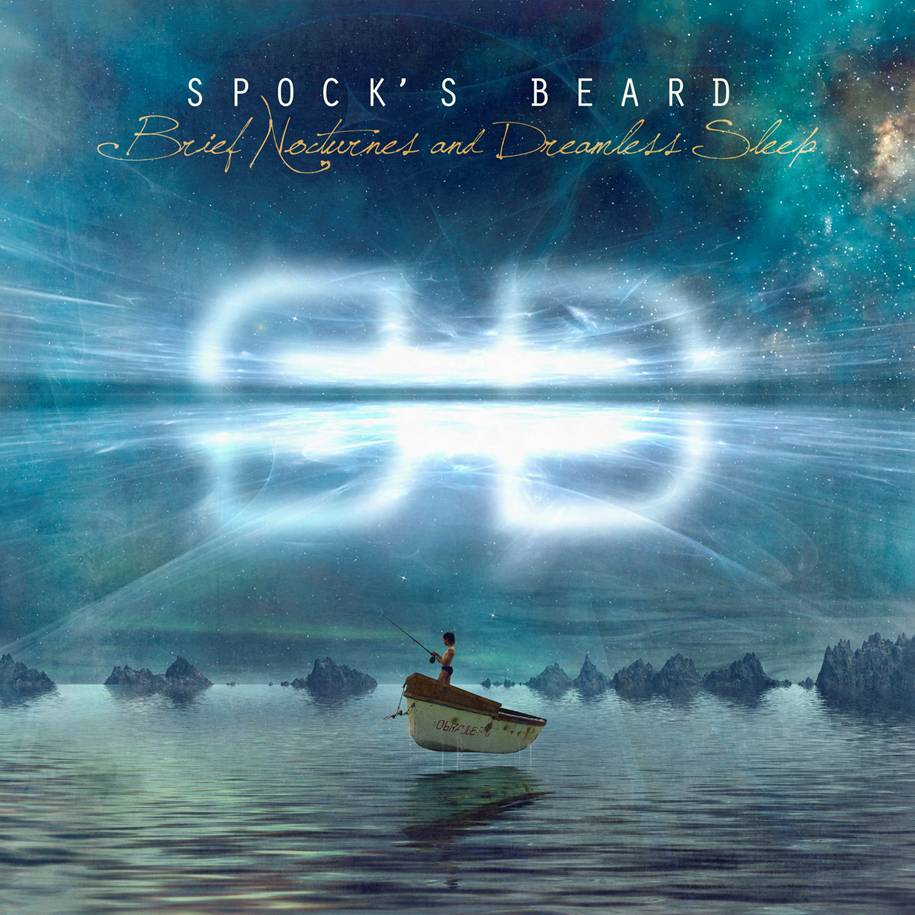

Americana Music Artist Sugarman To Release Sophomore Album ‘After The Blackout’

sugarman after the blackout

For Immediate Release

Americana Music Artist Sugarman To Release Sophomore Album ‘After The Blackout’

Los Angeles, CA – Americana music artist Sugarman, will be releasing his second album ‘After The Blackout’, a collection of well-crafted songs that reflects Noah Sugarman’s heart and soul from his past and rumination. Sugarman’s debut release on the Unison Music Label in 2009 ‘Art Of Starting A Fire’ received rave reviews from fans and music critics alike. ‘After The Blackout’ is scheduled for release on March 12, 2013 in the US and a heavy touring schedule will begin March 8th that will take Noah and his band throughout markets in the Mid-West, South, and parts of the Eastern territories of the US. A European tour is also in the works to coincide with the Euro release.

Says Sugarman about his new release, “This album is very different from the last. The first album was a great learning experience for me. Great musicians, producing and engineers involved. I wrote the songs, recorded my parts and then really just stepped back, shut up and listened. With this new album, I was able to apply things learned on the last. I produced this one myself. Played most of the instruments as well. For the most part it was me and an engineer bunkered up in a small studio for 5 months. And we brought in Bill Halverson, known for his large catalog of work that includes Clapton, Hendrix, Bad Company, John Hiatt, and tons more, for the final mix. Working with Bill was a great learning experience. He is one of those guys, you could just tell by his calm demeanor that not much shocks him these days.”

A talented, multi-instrumentalist, whose influences range from The Beatles to James Brown, Noah has toured the country coast-to-coast many times, with an array of bands. He’s performed his own music, both acoustic and with a full band; played bass and sang backup for a country act; and played drums for a folk group. In 2007 Sugarman signed with Unison Music, of Los Angeles, and moved to California to focus on his original tunes, prior to hitting the road again for a whirlwind of tour experience. In addition to Sugarman and his solo efforts, Noah has made significant contributions to alt-country/rock outfit 500 Miles To Memphis, touring with them 250 days (2008 through 2010) and playing bass and guitar on their last two albums – ‘Sunshine In A Shot Glass’ and ‘We’ve Built Up To Nothing’.

In support of his new CD release, Sugarman is wrapping up a video for the album’s single “Ladders”. Says Noah “Like the album, I have been highly involved in the making of the video. From rehearsing the dance all the way down to the construction of the elaborate set. After the video is done, I very much look forward to getting back on the road and releasing this album. The road to me is a very important and special place. It’s where I feel the most at home and where I feel I have the most independence. I feel like that’s where I contribute the most to society. Out reaching people through music.”

In closing Sugarman has this to impart, “It’s an honor and a privilege to travel and play music. It would not be possible without people to play for. Really hoping for a big year and the chance to record another album and do it all over again. Here we come!”

To purchase Sugarman – ‘After The Blackout’ CD: http://www.cdbaby.com/cd/sugarman2

For more information: http://www.sugarmanmusic.net

Sugarman videos: Website: http://www.sugarmanmusic.net/watch
YouTube: http://www.youtube.com/sugarmanmusictv

Press inquiries: Glass Onyon PR, PH: 828-350-8158, glassonyonpr@gmail.com

Rolling Stone Interview with Greg Lake

20130304-greglake-x600-1362434973
Roberto Serra – Iguana Press/Redferns via Getty Images

ELP frontman on his desire to reunite with King Crimson and getting sampled by Kanye West

By ANDY GREENE
March 5, 2013 1:00 PM ET

As a co-founder of King Crimson, Greg Lake is without a doubt one of the inventors of progressive rock. His voice powers classics like “In the Court of the Crimson King” and “21st Century Schizoid Man” (recently sampled by Kanye West on “Power”), and as the frontman of the Seventies prog supergroup Emerson, Lake and Palmer he wrote, sang and produced hits including “Lucky Man” and “From the Beginning.”

Despite these accomplishments, Lake has never gotten much critical acclaim. His key role in the development of King Crimson is often overlooked, and Emerson, Lake and Palmer are perhaps the least respected of the progressive rock giants – and that’s really saying something. Many of the original punk bands pointed to them as the main reason their revolution had to happen, mocking everything from their stage outfits to their massive light shows to their very name.

Keith Emerson, Greg Lake and Carl Palmer don’t get along very well these days, and they’ve only managed a single concert in the past decade. Lake tours on his own, performing the one-man show Songs of a Lifetime. It features music from his days in King Crimson, ELP and his solo career. In a unique twist, he invites fans onstage to share their memories of the songs. He also has an autobiography coming out called Lucky Man.

We spoke to Greg Lake about the early days of King Crimson, the fall of ELP, his desire to reunite with both acts, getting sampled by Kanye West, and why he feels that punk isn’t real music.


For the full article and interview, please visit RollingStone.com.


Former Dressed To Kill Member, KISS Tribute Drummer, Ian Danter Releases Debut Hard Rock CD ‘Prove You Wrong’

Layout 1

For Immediate Release

Former Dressed To Kill Member, KISS Tribute Drummer, Ian Danter Releases Debut Hard Rock CD ‘Prove You Wrong’

London, UK – Muli-instrumentalist and former drummer with the longest running KISS tribute act Dressed To Kill, Ian Danter has released his debut hard rock CD ‘Prove You Wrong’ on Cherry Red Records. Ian Danter, a well-respected musician in his own right,can proficiently play several instruments, which he displays on his new CD. Ian plays drums, guitars, bass, keyboards and sings background vocals and lead on the three tracks. Lee Small, lead vocalist from the UK hard rock outfit SHY, lends his powerful Dio-esque vocals to 12 of the 15 tracks on the CD. Upon first listening to ‘Prove You Wrong’ classic rock artists like Rainbow and Dio immediately spring to mind. Ian explains, “I loved the music I grew up on because it made me stop and listen. It also made me appreciate good melody and how to construct a song. That is what ‘Prove You Wrong’ set out to do – to recreate the era of the song, the riff, the FEEL rather than following a trend.”

Some say sports and rock and roll don’t mix.. yet in the case of Ian Danter, this notion has been proven wrong. As well as his fame in the music industry, Ian is also known for his highly successful and fanatical fan-supported Saturday evening show ‘Football First’ on talkSPORT Radio, as well as presenting both local and national radio programmes in a wide variety of formats for well over a decade. Some may find it peculiar that a renowned sportscaster with a immense fan following would be able to deliver a hard rocking, well written and produced album, yet the CD title says it all. Ian explains, “As for the title, ‘Prove You Wrong’…well that is all about my desire to show that sports broadcasting and rock music are not mutually exclusive career choices! You can be credible as both, despite conventional wisdom, and I want to ‘prove’ that with this album.”

Because of Ian’s fame and work schedule as sports presenter, recording his new CD was not something that happened overnight. Says Ian, “I’ve been meaning to record my original stuff for over a decade now. The spark to actually get me into the studio was a little unfortunate – a couple of local musicians and friends passed away recently, including SHY guitarist/songwriter Steve Harris. At Steve’s funeral, I started talking to a producer friend and the subject came around to my stuff… Steve had been able to complete recording SHY’s best album just before his passing, and it suddenly occurred to me that I had to record my songs as soon as I could…you never know what the future might bring, after all.”

Ian’s musical influences can be heard loud and clear on his new CD, in particular his earliest musical loves Deep Purple, Thin Lizzy and Rainbow. Ian recalls, “My older brothers owned ‘Machine Head’ by Deep Purple, ‘Live & Dangerous’ by Thin Lizzy and ‘Rising’ by Rainbow. Rainbow and Ronnie Dio’s voice were a huge influence on me. ‘Rising’ especially really captivated me…the riffs, the vocals, the sheer scale of it all just blew me away. Then one day at my cousin’s place I saw a couple of KISS albums in his collection and asked to borrow one – that was ‘Alive!’ and it was a total life-changer and had a profound effect on me. Before long I was buying everything I could find in their back catalogue – which wasn’t an easy task in 1970’s England! I’ve remained a staunch foot soldier in the KISS Army ever since.” Ian played drums with the longest running KISS tribute band Dressed To Kill for 5 years. Other musical influences include Dio, Rush, Foo Fighters, Wildhearts, Cheap Trick, Jellyfish, Pantera, Journey and Aerosmith, to name a few.

In closing, Ian has this to impart to his fans and listeners, “I hope you get as much out of listening to these songs as I did putting them together. It was a real labor of love…and hard work should always pay off!”

Ian Danter’s CD release party will be held on Friday March 22, 2013 at Birmingham City FC’s Jasper Carrott Suite.

For More information:
http://www.iandanter.co.uk/
https://twitter.com/talkdants
https://www.facebook.com/ian.danter
https://www.facebook.com/IanDanterProveYouWrongAlbum

Press inquiries: Glass Onyon PR, PH: 828-350-8158, glassonyonpr@gmail.com

Examiner.com Review of Greg Lake – Songs of a Lifetime

GL_SOL_CD_DPS1_Cover_BOOKLET-D_Rev111612

Greg Lake releases new live CD, ‘Songs of a Lifetime’
BY: Dawn Lee Wakefield

One thing that music lovers and record collectors of music from the 1960s and 1970s have in common are stacks and stacks of favorite 33 LPs collected through the years, the vinyl well played and the liner notes well read. Doubtlessly those stacks include the works of Greg Lake from his former bands, King Crimson and the iconic Emerson Lake and Palmer. On Monday, Feb. 25, 2013, legendary singer/songwriter Greg Lake released his new live CD, “Songs of a Lifetime” for all Greg Lake fans to enjoy. Lake made his Texas Tour in Houston and Austin last summer, 2012. Audiences were then fortunate enough to hear live previews of the songs that are part of Lake’s new CD.

“Songs of a Lifetime” features live recordings from selected shows performed on his 2012 tour. Lake said, “This is not one of those boring shows sitting on a stool strumming folk songs, I purposely set out to make this show dynamic and entertaining with lots of drama and pathos, even some humour at times as well. Everyone feels part of the performance because we all bonded by the shared memories of our musical journeys together.”

The much-anticipated new CD is available from the United Kingdom via the Internet on the lable Esoteric Antenna, distributed through Cherry Red Records. Have you ever wanted to just sit down with one of your favorite artists and have a one-on-one discussion to learn more about them, their lives, and what drove them to pick music as a career?

Fortunately, Greg Lake fans can put this CD on and get the sense of being one-on-one with their favorite singer. Lake will soon be releasing his autobiography, “Lucky Man,” which is an audio narrative of Greg’s favorite memories and experiences throughout his career, from childhood to present day. Both a print edition and audio book read by Lake are expected by the end of 2013.

Not content to rest on his laurels, Greg Lake is on the road, and planning tours in the United States, Canada, Japan, Europe, and South America. His new “Songs of a Lifetime” concert show puts the audience one-on-one with Lake in intimate settings that have a comfortable living-room feel. He’s funny, engaging, reflective, and in perfect voice after many years of perfecting his style, a songwriter’s songwriter, in fact.

So many Baby Boomer hits were those of Lake’s days with King Crimson and Emerson, Lake & Palmer. So the concert CD, the biography is a natural next step. Lake said, “Behind these songs there were often stories to be told and it occurred to me that the same must be true for the audience as well. It was then that I thought of the idea of doing a series of very small intimate concerts where I could perform these songs and exchange stories with the audience, in a way reliving the time when the music we shared together really became part of our identity and in a way became the backdrop to our lives, a sort of tapestry I suppose.”

A montage of the new Greg Lake concert series is seen in the YouTube video that accompanies this story. On the CD you’ll hear “21st Century Schizoid Man,” “Tribute to the King” (Lake actually go to hear Elvis in concert and a version of “Heartbreak Hotel” is equally poignant), “Epitaph/The Court of the Crimson King,” “I Talk to the Wind,” “C’est La Vie,” “My Very First Guitar,” (a story that will bring tears to your eyes), and of course, “Lucky Man.”

Greg Lake’s new CD is a perfect salvo if you’re kicking yourself for missing his tour last year in person. Put “Songs of a Lifetime” in your CD player and make sure you don’t miss his 2013 live tour when he comes to Texas. Oh, and turn up the CD for the song-opener “21st Century Schizoid Man.” Wake the neighbors if you have to; like everything else Greg Lake does, it’s first rate, and best enjoyed by many.

Source


Herald de Paris Interview with Michael Wolff

wolffphotogreat-1024x682

Interview: Jazz pianist extraordinaire, Michael Wolff

BY AL CARLOS HERNANDEZ ON FEBRUARY 19, 2013

HOLLYWOOD (Herald de Paris) — After several critically acclaimed performances in 2012, jazz masters Michael Wolff and Mike Clark, the Wolff & Clark Expedition, are preparing to release their self-titled debut album in February 2013. Performing with bassist Chip Jackson, the Expedition’s initial outing aims for uncharted, compelling musical territories while still entertaining a wide audience of astute listeners.

Michael Wolff says, “We have been playing together for many years – we share the same vision, energy and excitement for jazz music, for improvisation. The musical goal of The Expedition is to utilize well-known tunes in addition to intriguing originals and to deconstruct them, then reconstruct them as vehicles for self-expression. We believe it is time to bring modern sensibilities and styles of playing (and writing) to music that comes from the blues and the roots of jazz to create fresh rhythmic and harmonic/melodic adventures.” Performing together since the 1970’s, both Wolff and Clark have each had stellar music careers. Michael Wolff is an internationally acclaimed pianist, composer and bandleader, and is best known for his melodically fresh and rhythmically compelling piano style.

Wolff made his recording debut in 1972 with Cal Tjader and went on to record with Cannonball Adderley, Nancy Wilson, Sonny Rollins, Tony Williams, Christian McBride and many others. As pianist and music director for jazz singer Nancy Wilson, Michael wrote orchestral arrangements and conducted more than twenty-five major symphony orchestras worldwide. From 1989 to 1994, Michael served as the bandleader for the Aresenio Hall Show, which heightened his visibility and gave him the opportunity to perform with many established artists such as Ray Charles, Phil Collins, Whitney Houston, Patti LaBelle, Wayne Shorter, Herbie Hancock and saxophonist/President Bill Clinton. Michael Wolff has released twelve critically acclaimed solo albums as a leader, ‘Joe’s Strut’ being the most recent.

He was a recipient of the BMI Music Award for television composition and was also the winner of the Gold Disk Award in Japan for piano. On Feb 23, 2012 Michael performed a solo piano concert at the University of Toledo, in Toledo, Ohio, as part of their Art Tatum solo piano concert.

Herald de Paris Deputy Managing Editor Dr. Al Carlos Hernandez had the rare opportunity to speak to both Wolff and Clark before their jazz project takes off into the universe. Their collaboration is causing a major buzz in Europe these days…

AC: You were born in New Orleans but were raised in Berkeley. What childhood experience pointed you toward a life in music?

MW: I spent my first couple of years in New Orleans and then, until I was 9 years, old in Memphis, Tennessee. What got me into music was the fact that my father was an amateur musician. He loved jazz and always played music for me in the house. He also played clarinet, saxophone, and piano, and he taught me to play W. C Handy’s The Saint Louis Blues on the piano when I was four years old.

AC: What did you listen to growing up? Where you influenced by the heavy music scene in the Bay Area with its eclectic styles of music?

MW: When I was young I listened to the music my father loved: Count Basie, Oscar Peterson, Ray Charles and George Shearing. I loved Ray Charles and George Shearing. I didn’t know their names but knew they were both blind. I’d say to my Dad, “Play the blind guys. Play the blind guys!” When we moved to Berkeley, California in the San Francisco Bay Area, I was exposed to many types of music. I was involved with the rock and roll scene, and listened to all the bands that played for free in Provo Park in Berkeley on the weekends. I played the drums and sang in a local band called The Electronic Cucumber. We got that name by having a contest in the neighborhood for the band name. Can you imagine the names that we didn’t use?

AC: When was the exact moment when you realized you were going to be a pro musician. What was the dream at that point?

MW: I don’t remember just one moment where I decided to become a professional musician. I do remember that when I was fifteen I started taking jazz piano lessons with a great pianist/teacher in the Bay Area named Dick Whittington. I would practice every day after school and imagine myself playing a real concert in a big concert hall or recording in a real studio. I would actually feel what it would be like to play the piano in those situations. After studying and practicing and beginning to play at clubs with a jazz band, I just couldn’t think of anything else I wanted to do besides be a jazz musician.

AC: Tell us about your teenage years. What attracted you to Latin music and jazz?

MW: In my teenage years I was lucky to have a great jazz band and music teacher in my high school, Berkeley High School. His name was Bill Elliott and he was very encouraging to all his students. I studied ear training and music theory, and played and composed for the jazz band. We had many talented musicians in the band who became professional musicians like saxophonists Lenny Pickett and Steve Elson, trombonist/composer Nic tenBroek, and percussionist Johnny Otis Junior. Duke Ellington once came to a rehearsal of our jazz band and heard us playing. He even heard one of my compositions. He was very complimentary. He said, “Am I going with you or are you going with me?” He was a great guy and an inspiration to all of us. I also got to hear Roland Kirk (the great multi-reed player) play across the street from our high school at Washington Elementary School. The Bay Area was a great place to grow up because Jazz and Latin music were really appreciated and encouraged. Berkeley High was the only public high school in Berkeley so all races went to school there. It was 40 % black, 40 % white, and the rest Asian and Latin American. We all influenced each other and I think that was a positive for the music scene in Berkeley. It was also a very turbulent time, the late 60’s, and was politically wild and exciting. Music was changing constantly during this time. Miles Davis put out some amazing albums and began experimenting with electric instruments and Jimmy Hendrix was around. Rock, Blues, jazz, Latin, classical . . . it was all intermingling and that affected all of us musicians at the time. The boundaries of musical styles were melting away and we all were proud to play all styles of music and to mix them together in a soulful gumbo.

AC: How did you land the gig with Cal Tjader at only nineteen? What did that experience teach you? Do you still color some of your chops with a little Latin soul source?

MW: I had a gig at Fantasy Records in Berkeley while I was in college at UC Berkeley when I was nineteen years old. I was supposed to write out the songs of rock and roll bands that couldn’t read or write music. In order to copyright the music it needed to be written out. I wrote it out exactly and the guy who hired me told me to write it out simply, not as it was actually sung. I told him that didn’t make sense and he fired me from the job. I was walking around Fantasy and spied Cal Tjader in a small room listening to a copy of his new album. I introduced myself and told him I was a jazz pianist and was ready to play in his band. He was polite and told me to come see him later in the summer at El Matador jazz club in San Francisco. I forgot about it, but my friend reminded me and I went to the club. I wasn’t allowed in because I was under twenty-one. I went back every night and on that Sunday night a nice waitress snuck me in. I said, “Hi!” to Cal and he let me sit in on the last set. I played well and he told me to come back the following week. I sat in every night that week and he gave me the job. The first gig we played was two weeks at a club in Tucson, Arizona. The second gig I did was a huge concert at the Monterey Jazz Festival, the Latin Jam. I was playing with Cal Tjader on vibes, Al Mackibbon on bass, Armando Peraza on congas, Willie Bobo on timbales, Dick Berk on drums, and Dizzy Gillespie and Clark Terry on trumpet. I learned to play Latin music while with Cal. He loved Afro Cuban and all the different styles within that and Brazilian. I was exposed to those styles and their leading proponents and had the opportunity to play those styles every night. I still infuse my music, my composing and my playing, with all those rhythmic feels.

AC: Why didn’t you pursue pop and rock which are much more profitable?

MW: I loved pop and rock and was exposed to it and I did play drums in a rock band and some piano, but jazz was my favorite music and I wasn’t thinking about money. I was just thinking about how jazz music made me feel so good. I also love the fact that with jazz you can play however you feel in the moment. We always included rhythms and sounds from blues and rock and soul and funk and Latin in our jazz. There was a Bay Area band, The Fourth Way that was combining acoustic jazz improvisation with rock rhythms and song forms.

AC: Tell us about hooking up with jazz heavy weights Sonny Rollins and Wayne Shorter. What did you bring to the table and what did you learn from them.?What is the good and bad of working with cats of that caliber?

MW: I was lucky to play with the greatest musicians in jazz in the 70’s. I played for a year with Airto Moreira and Flora Purim. Then I was the last pianist with the great Cannonball Adderley Quintet. That was my favorite sideman gig I’ve ever had. I loved the soul and blues feel underneath the jazz that Cannonball’s band played and he was a wonderful mentor to me, telling me to play the way I play all over the piano and never listen to anyone who tells me how to play. He encouraged me to compose for the band and, had he lived, the next album we were going to record was to feature the music I had written for the band and that we were playing live.

I played with Sonny Rollins for two years. I got the gig because the drummer, Eddie Moore, knew me and called me to come rehearse with Sonny. I loved playing with Sonny but don’t think I appreciated how great he is at that time. I think he’s the best improviser ever in jazz. His theme and development are unique. He has an amazing energy and sound on the saxophone and transcends time and style to create singular, beautiful and soul stirring music.

I think what I brought and bring to the table as a musician is an exciting energy, a focus on rhythm, and an open mind every night about what the music will be. I like to be in the moment and create on the spot. I am willing to be experimental and open harmonically at any moment. I love to react to the musicians I am playing with on the spot and go into areas that are unexpected and fresh.

I learned a lot from all the people I played with – most often non verbally. In my whole career we never discussed harmony or rhythm or anything technical. It was always what we were bringing to the audience and how we could improve that – how we could improve the set. Nat Adderley did tell me to build a solo by starting with regular musical ideas and then build up to using the effects I was using at the time on the electric piano. That was great advice. It was all good playing with those great musicians. Playing every night with wonderful musicians taught me how to play, how to bring my individuality to the music, how to be a great sideman, and how to be an effective leader.

AC: How did you land the job as musical director for Arsenio Hall? What was that experience like? How does it affect your music and career to do a steady TV gig like that? I’m told that Arsenio was you greatest tutor? How so?

MW: When I became musical director for the great singer Nancy Wilson, I learned to conduct orchestras, arrange for vocalist and orchestra, and to sing backup with her. I learned always from being on the bandstand. It was on the job training. Much different from the way musicians learn in school now. Our opening act for Nancy Wilson was comedian Arsenio Hall and he and I became good friends. He always said he’d have a talk show and he’d hire me to lead the band. And he did! It was a great experience. I got to play with so many great musicians of all styles including: Wayne Shorter, Chick Corea, Herbie Hancock, Branford Marsalis, Al Green, Ray Charles, Ringo Starr, Warren Zevon, Phil Collins, Whitney Houston, Patty LaBelle, Yo Yo Ma, Placido Domingo, Grandmaster Flash, and Teddy Riley. I also learned to compose music quickly, because often Arsenio would shoot a short video that needed music and I had to watch it a couple of times, write music immediately, and record it with our band on the spot. It was a fantastic experience that helped train me to write music for film and television. What I learned from Arsenio was to be in the moment and to respond to whatever was going on around you onstage. He is an amazing talent and responded to whatever was happening onstage and off immediately.

AC: You are one of the few straight-up jazz players that really entertain the audiences. Recently in San Francisco they said you did a little standup comedy and even danced a little on stage. How important is it to engage a jazz crowd?

MW: I learned to talk to the audience by watching Cannonball Addereley talk to the audience. He told me if you open yourself up to the audience you can take them further musically and that they will go with you musically anywhere. I’ve found that to be true. I love to make people laugh so I incorporate that into my performance. It’s not usually planned out; I’m as in the moment with my talking as I am with my playing.

AC: Tell us about your musical relationship and friendship with the late Joe Zawinul? Do you have a desire to continue his legacy?

MW: I always looked up to Joe Zawinul. He was one of the pioneers of fusion jazz and wrote some of the greatest music ever written. I met him after I got the gig with Cannonball. The drummer, Roy McCurdy, took me to Joe’s house in Malibu (in LA) and I spent the day with Joe. He showed me all kinds of cool chords on the piano. He loved music and had a healthy ego about his music. He was always friendly and supportive of me. It was like I was family because I was a pianist who had played with Cannonball Adderley. I think I continue the legacy of Cannonball and Joe Zawinul by bringing the feeling of the blues and soul in my music. There was also warmth to the music of both Cannonball and Zawinul that I hope I infuse into my music.

AC: What do you think of smooth jazz?

MW: I’m fine with smooth jazz. I like a lot of the players and enjoy playing with them. It’s not my main thing, but I like any music where players are playing their hearts out, and smooth jazz players do that. I’ve played a lot with Kenny G and Dave Koz, among others, and they’re all very talented, committed musicians.

AC: Tell us about your friend Michael Clark. What made you decide to put a project together with him?

MW: Mike Clark and I met in the 70’s in the San Francisco Bay Area. We were both on the scene there. I heard Mike on his first gig with Herbie Hancock’s Headhunters at Keystone Berkeley. We started playing together regularly in the 80’s when we were both in New York City. We had a regular trio with bassist Jon Burr. We all lived within a couple of blocks of each other on the Upper West Side.

AC: The American press says, “When two of the best musicians on the planet decide to combine their talents, they create a band without boundaries.” What does that mean?

MW: We played as a trio on our own and also with a bunch of crazy singers. We’d play with whoever hired us, playing live in clubs and recording a lot. After the gig we’d stay up all night drinking beer and playing cards or monopoly. I moved to LA in 1988 to be musical director for Arsenio Hall TV show. I returned to NYC in the late 90’s, and we began playing together again. Mike Clark played and recorded with me in my band, Impure Thoughts, and I played with him in his band. A year or so ago we decided to get together and form our own band, Wolff & Clark Expedition, so we could pursue the music we love, jazz influenced by blues and funk. We decided the band would be the two of us as the main members. We choose whoever else we want to record or play with for specific gigs or projects.

AC: What can people expect from the Wolff and Clark CD? Who are some of the artists featured?

We push the boundaries of music by not respecting limitations of styles. We play freely and what we feel. We can play with a trio, like our first album, ‘Wolff & Clark Expedition” on Random Act Records, featuring the great bassist Chip Jackson. We deconstructed known tunes, funky ones like ‘Mercy Mercy Mercy’ by Zawinul, and ‘For the Love of Money’ by the Ojay’s, more soul jazz with ‘Song for My Father’ by Horace Silver, jazz standards like Cole Porter’s ‘What Is This Thing Called Love?’ a really gospel song by Nat Adderley ‘Hummin’ and modern originals by Chip Jackson, Mike Clark, and me. We have also played gigs with horns and could play with any instruments.

AC: Touring?

We begin our touring with a concert at Dizzy’s Coca Cola Club at Jazz at Lincoln Center in New York City. We then tour in March and April in the United States: New Orleans, Indianapolis, Cleveland, Chicago, Cincinnati, Los Angeles, Oakland, Denver and other cities. We hope to tour in Europe and Asia in the summer and next fall. Our March US tour will feature the amazing Jeff Berlin on bass.

AC: Personal plans?

MW: I want to record a solo piano album in the next year. I’m also working on using cross rhythms in my playing and composing. And I want Wolff & Clark Expedition to record another album and utilize some horns on it.

AC: Advice to young people who want a career in music?

MW: I teach at The New School for Jazz and Contemporary Music in New York City. My advice to all students is to learn everything technical they can. Learn to write music on computer writing programs, to record on Logic Audio and Pro Tools, to make sure to compose their own music, to master the use of the internet and social media in the music business, and to practice and become great on their instrument.

In order to have a career in music now, the musician has to be able to do many things in order to cobble together a decent income. Play, compose, teach, arrange, publish, record, engineer – learn to do everything competently and some things extremely well.

AC: Legacy?

MW: As far as a musical legacy, I would like to be appreciated for my playing, the energy and originality of approach, and the quality of my compositions. I am currently writing a book on my BIG IDEAS about music, and I hope that will leave a mark.

http://www.michaelwolff.com

Edited by Susan Acieves

Source


Yahoo Voices Interview with Jon Anderson

jon anderson

Jon Anderson Formerly of Yes Still Hasn’t Emotionally Left the Band
Bob Zerull, Yahoo! Contributor Network

Yes is arguably the most talented band in rock history. Their songs are so complex that your average music fan can’t comprehend; at the same time it’s so pleasing to the ear that you can’t help but enjoy it. I got the chance to catch up with legendary Yes front man Jon Anderson about his upcoming Australian tour, new music and his current relationship with his musical soul mate Chris Squire.

Q: I noticed you’re heading out to Australia in a month or two, will those be your first shows of 2013?

Jon Anderson: Yeah, I decided this year that I was going concentrate on finishing a lot of work in the studio. My studio is chockablock full of music. I’ve got to sort it all out and here I am writing a new song now, this morning. It’s compounding by constantly creating music, which is amazing, but I’ve got to get it organized. I think this year I won’t do too many shows.

Q: At this point in your career do you get a chance to enjoy the continents, countries and cities you visit? I know that back in the day you probably toured so much you didn’t even know where you were.

JA: It’s part of our idea. Me and my wife Jane we travel with a guitar and she plays the ukulele and the dulcimer. We always have a day off when we get to a new city and the day after the show we have a day off, maybe two just to walk around and feel the energy of the city. It’s worked very well especially when you’re traveling down in Brazil or Argentina. Anywhere we go we really enjoy.

Q: Is there anywhere you really want to play but haven’t gotten the chance to play?

JA: I always wanted to play and sing in China, for many reasons. I was there about 25 years ago. I was going to work with a local musical project there, a lot to do with something I was very interested in. They found a tomb in central China in Hubei province; you may have heard about it, it was full of Terracotta Soldiers, 1000 of them in this tomb. It’s an amazing event in itself that they found this tomb with 1000 soldiers, all different. A few years later they found a tomb of instruments, this is like 2 and a half thousand years ago. The instruments they found were unbelievable. They ranged from harps to guitar style ideas, drums, bells, a full orchestra of musical instruments. I was wondering what kind of music they were creating in those days. I went to China and I was going to work there, but the guy that was financing it smoked too much marijuana I think (laughs).

Q: You mentioned you were working on new music right now. In a recent interview you stated that you’ve been working on a sequel to your first ever-solo album “Olias of Sunhillow.” Is that going to be your next studio album?

JA: I’m not going to make any more albums. I’m just going to create new music, probably through apps. You’ve got your app and you’ve got a couple hours of music. That’s what I’ve got, I’ve got so much music that I want to put it out there, but it has to be put out there in a certain form other than the norm because we’re not living in the norm any more.

Q: You did that on your last song “Open,” it’s great to hear you doing those long form songs again.

JA: Yeah I’m halfway through my second piece on that. I just love the idea of doing them. First of all they’re like a journey for me and second of all they’re exciting to create. When I was doing “Open” there are times when I’d sit back and say, oh this is just too cool, then there were times when I was like, oh this is not right. After I released it I thought I hope people like this.

Q: Is creating new music the most important part of the creative process?

JA: Yeah, music is life. It’s around all the time. Birds are singing everyday. There’s music all the time. Culturally as you grow older you start to learn from indigenous music and some of the classic music and that’s what I do.

Q: I want to go back to that first solo album you did. You played every instrument on that album correct?

JA: Yeah, I locked myself in a garage with a friend and I had all these instruments arranged from guitars, sitars, drums, flutes, woodwinds, altos, bells, everything. I had to learn how to play everything. I didn’t want to go to school, but I thought this was a great way of sending myself through music university by learning to play everything.

Q: Back then was it intimidating coming from a band with arguably the best rock musicians in the world to go out and do your own thing where you played the instruments?

JA: The idea was that solo means by yourself. I didn’t see the point of going out and making an album with a band, I was already in a band and as you said probably one of the best bands musically that were available at that time. I was so thankful to work at that time with Rick (Wakeman), Chris (Squire), Steve (Howe), Alan (White), Bill (Bruford), Peter (Banks). I was a guy who could sing and I was very into directing them musically. To be able to go away from all of that, I had actually met Vangelis around that time. I’d see him creating his music, just one person with 10 keyboards. I’d stand there and just wonder how the hell he’d do that. That inspired me to do “Olias” and be committed to learning all those instruments. That’s why I did the album.

Q: When you mention the band Yes the first thing anybody thinks of is your voice. The other guys can go out and do Asia or whatever else and separate themselves from Yes. Is it frustrating for you that no matter what you do it’s going to be associated with Yes?

JA: No, I think what I did with Yes was very important for me; it touched a lot of people. Yesterday I got an email from someone I hadn’t heard from in 20 years and he emailed to tell me that his son had just listened to “Gates of Delirium” and he just can get over it, thank you for liking such wild and crazy music. I thought that’s like a gift for somebody to tell me something that I was involved with writing almost 30 years ago. I wrote that on piano…it must have sounded terrible, but I had this whole idea of the sections. The band was very gracious and helped me create the piece of music, but the idea that it has survived thirty some odd years later is amazing to me.

Q: A few months ago I talked with Chris Squire and he had told me that he’s never turned down the opportunity to work with you again, but currently your health is too poor to do an extensive tour. How is your health, because I know it got pretty scary there for a while?

JA: Yeah, I nearly died a couple of times. My health is very good. The bizarre thing is I sing more on stage now doing my solo shows than I ever did with Yes. I sing and talk for an hour and three quarters. Chris just wants to own and control the band, that’s his life. I wish he’d have called the band something else, it would have been more real, but bands do it, Journey carried on without their singer. I wish them luck; it’s not my idea of Yes, obviously. My idea of Yes is “Open” and what I’m doing now. Emotionally I haven’t left Yes at all. I still believe in Yes music. I still have a great feeling about the future of my idea of Yes music. I’m still committed to the wonderful Yes music we’ve created over the years. I want to continue to make that kind of Yes music; it’s part of my life.

Q: I think if you were to ask any fan, out of the 20 some odd people that have been in the band, the two guys that represent Yes the most would be you and Chris. So in a way there are two versions of Yes and we’re still getting great music from both of you. Are you open to the idea of an extensive tour with them?

JA: I wanted to tour in 2009 when I got better and they said no. They turned me down. They said maybe next year. That’s kind of bizarre to me that they’d say they already had a singer, six months later that singer, probably a lovely guy, couldn’t handle the touring, because it’s so hard. Now they have another singer, they didn’t call me or ask me if I’d be interested, they just say oh he’s sick, which is a lot of rubbish.

Q: Would you ever work with them again?

JA: Sure, I’d love to. There’s no reason why we shouldn’t bury the hatchet, get together and make some music and do something very special for all the Yes fans around the world. And there are thousands of people who would like us to get together…with Rick (Wakeman) as well. Rick would have to be in the band. There’s no point in just me. We’d probably do some shows or something, some beautiful new music and it would be wonderful, we could make a movie or something like that, just to honor all the fans.

Q: That’s all I had thanks for taking the time and good luck with your new music and your tour in Australia.

JA: Thank you, I wish you well. I just want to say to the guys, Alan, Chris and Steve, they play amazing still and good luck to them.

Source