Author Archives: glassonyonpr

Bass Virtuoso Brad Russell Debut CD ‘Let’s Hear It” Featuring Guitar Legend Joe Satriani Now Available on Steve Vai’s Digital Nations Label

For Immediate Release

Bass Virtuoso Brad Russell Debut CD ‘Let’s Hear It” Featuring Guitar Legend Joe Satriani Now Available on Steve Vai’s Digital Nations Label

August 17, 2012 – New York, NY – Much to the excitement of bass players around the world, bass guitar virtuoso Brad Russell has released his debut solo album ‘Let’s Hear It!’ on Steve Vai’s Digital Nations label. Featuring guitar legend Joe Satriani, ‘Let’s Hear It!’ explores musical frontiers where no bassist has gone before! Brad is a true bass hero and his debut CD is a solid sampling of creative cutting edge “lead” rock bass playing. Russell taps, slaps and shreds his four-string bass, sounding more like a six string guitar – fans of Billy Sheehan will not be disappointed. Brad’s solos bring to mind Vai and Jeff Beck more than they do other bass players. Along with guitar great Joe Satriani, who joins Russell for a heavy shred fest, drummer Gregg Bissonette (David Lee Roth, Joe Satriani, Santana, Ringo Starr’s All Star Band) provides rhythmic genius on all tracks.

“Amazing playing, cool songs!” – Steve Vai

Born in Detroit, Brad Russell (aka Russo) was raised in a musically diverse household. He recalls, “My brothers listening to everything from James Brown to Aerosmith and my mom spinning Bill Evans or Stan Getz records.” After studying acoustic bass in high school, Brad attended the University of Miami’s school of music and received a master’s degree. He later moved to the San Francisco Bay Area and worked for Shrapnel/Blues Bureau records producer Mike Varney. Brad has performed/recorded with a variety of artists such as: Mariah Carey, Clarence Clemmons, Greg Allman, Joe Walsh, Neil Young, Rick Derringer, Jack DeJohnette, Neal Schon, Joe Satriani, Lonnie Smith, Billy Preston and many others. Currently living in NYC, Brad has also performed for the Broadway musicals ‘Jersey Boys’ and ‘Grease’. “I became involved with Digital Nations through my association with Joe Satriani,” Brad explains. “Since Joe played on my CD, I asked him if he could give a copy to Steve Vai and he did! Steve really liked it and signed me to Digital Nations.”

“Brad Russell is an amazing bass player and totally outrageous musician!” – Joe Satriani

Throughout his debut release Brad continues to push the boundaries of the bass guitar. “I believe I’m pushing the edge of instrumental rock bass playing,” says Brad. “There are many great bass players out there today in jazz and fusion…but not too many bass players are taking the spotlight in a predoninantly guitar-based musical genre like rock. I’m also truly playing the electric bass like a bass ‘guitar’. I’m using the tremolo bar on my bass and effect pedals like distortion and wah wah . In addition, I’m playing most of the parts a guitarist would play (chords, fast picking, tapping, etc), but on bass.”

“Brad is an amazing player with tons of creativity and really musical chops!” – Gregg Bissonette

In closing Brad has this to impart: “I’m trying to express the wide range of the bass guitar through my music. As well as playing the bass in a more traditional way, I’m trying to show the wide range of ‘lead’ sounds you can get out of the instrument and the different roles the bass can play throughout a song. I’m also trying to express that people can dig my music for its grooves and melodies and overall ‘feel’… In other words, it doesn’t matter if it’s a bass player playing the leads or a guitar player, if it feels good and it ROCKS, that’s all that really matters!”

“Brad Russell is one of the sickest bassests out there! He goes from ‘Duck’ Dunn to Stanley Clarke to over the top Steve Vai distortion fueled whammy bar riffs all within a few measures!” – Kinley Wolfe (bass player with the Cult, Lord Tracy, Shawn Lane)

Brad Russell proudly endorses: Warwick® Basses, Kahler® Tremolos La Bella® Strings

To purchase Brad Russell ‘Let’s Hear It!’ http://www.digital-nations.com/artists/premier-dn-artists/brad-russell

For more information: http://bradrussellbass.com

Press inquiries:
Glass Onyon PR
PH: 828-350-8158
glassonyonpr@gmail.com


Herald de Paris Interview with Paul Kantner

Jefferson Airplane/Starship commander: San Franciscan Paul Kantner

By Al Carlos Hernandez on August 13, 2012

SAN FRANCISCO (Herald de Paris) — Rock and Roll hall of fame San Franciscan Paul Kantner is the co-founder of the Jefferson Airplane and its spin-off band Jefferson Starship. The Airplane was formed by singer Marty Balin and Kantner eventually became the engine that powered the Jefferson Airplane. He piloted the group through the bands various incarnations eventually settling into the Jefferson Starship. Kantner is the pariah of the band; at times he was its only member. Paul is a songwriter, singer and plays rhythm guitar. Kantner has three children, sons Gareth and Alexander, and daughter China with former Airplane lead singer Grace Slick.

Paul’s mother died when he was eight years old. His father, a traveling salesman, sent young Kantner off to Jesuit military school after his mother’s death. It was in the school’s library at age eight or nine where he read his first science fiction book, finding an escape by immersing himself in science fiction novels beginning with CS. Lewis. And music. He said jokingly, “Given my early age military school experience I should be a serial killer by now. Science Fiction opened up my whole imagination in the middle of military school. I kept reading various authors throughout the years, just stepping forward though various writers such as Asimov and Vonnegut. These other worldly perspectives opened mind my to the possibilities of the world.”

He entered University of Santa Clara and San Jose State College, completing a total of three years before he dropped out to enter the music scene. Kanter was hoping to become a folk singer like Pete Seeger, to whom he gave kudos during his 1996 Rock and Roll Hall of Fame induction in 1996.

During the summer of 1965 singer Marty Balin saw Kantner perform at a folk club in San Francisco and recruited him as part of the original Jefferson Airplane. When the group needed a guitarist, Kantner recommended Jorma Kaukonen, whom he knew from his San Jose State days.

Kantner would be the only member to appear on all Jefferson Airplane/Starship albums bearing the Jefferson prefix. Kantner’s songwriting often featured whimsical or political lyrics with a science-fiction or fantasy theme, usually set to music that had a hard rock, almost martial sound.

Kantner and Jefferson Airplane were among those who played at Woodstock. He remembers, “We were due to be on stage at 10pm on the Saturday night but we didn’t actually get on until 7.30 am the following day.”

Despite its commercial success, the Airplane was plagued by intra-group fighting causing the band to begin splintering at the height of its success. During the transitional period of the early 1970s, as the Airplane started to disintegrate, Kantner recorded Blows Against The Empire, a concept album featuring an ad-hoc group of musicians whom he dubbed Jefferson Starship. This earliest edition of Jefferson Starship included members of Crosby, Stills, Nash & Young (David Crosby and Graham Nash) and members of the Grateful Dead (Jerry Garcia, Bill Kreutzmann, and Mickey Hart), as well as some of the other members of Jefferson Airplane (Grace Slick, Joey Covington, and Jack Cassidy).

Herald de Paris Deputy Managing Editor Dr. Al Carlos Hernandez, another endangered species San Franciscan native, connected with Paul on a visceral level. Kantner may well be San Francisco’s best-known ’60s survivor. As the co-founder of Jefferson Airplane and the leader of the band’s various incarnations for decades after, Kantner has been part of almost every wave in the music and concert business. And now at age 70, still tours with his merry band of pranksters and musician. What a long strange trip it’s been and he remembers most of it.

AC: I am told you are SF native. I’m from the Mission District and you are from?

PK: I was born in the Sunset district and when it’s foggy; God can’t see what you’re doing. If I was born anywhere else I would have been executed by now.

AC: Why? or Mission District translation, Por Que?

PK: San Francisco is very tolerant to strange people and I am mildly strange. But there are a lot of people here stranger than me, so I get lost in the shuffle. You don’t get noticed much. As a “Summer of Love” touted “Psychedelic” band, the amount of stuff we got away with is incredible. It is a wonder we are still alive, and it’s a wonder that we got away with what we did. I like to think we are still getting away with it.

AC: Really?

PK: In North Beach nowadays I’m just Paul, perfectly content to be recognized with a casual nod. This is one of the great things about San Francisco — it’s a place where people aren’t comfortable with fame. If we really wanted to be famous, we would have had to move to New York or Los Angeles. We couldn’t have been from any other place.

AC: Did you originally set out to be in a rock and roll band? What was the plan?

PK: There was no grand plan. I was a folk artist and my hero was Pete Seeger. I had a friend, a great guitar player Jorma Kaukonen, who I knew from Santa Clara University and he viewed himself as a blues player. We called bassist friend Jack Casady. We, including Marty, recruited a few other musicians and out of that partnership Jefferson Airplane was formed. Everything we did was accidental – it just happened that simply.

AC: What was the scene like at the time?

PK: The music scene in San Francisco was exploding and musicians were flooding to The City to sample the action and the drugs. Folk bands started to find a new electric sound. Everybody tuned in and turned on. The ’60s were in full swing and the ‘Summer of Love’ was just around the corner.

It was not as much the ‘Summer of Love’ I remember but rather the scene before the summer of love. The scene was very special nobody bothered it. It descended from there.

AC: How hard was it for you to transition from Catholic military to school and then to all of that?

PK: Coming out of Catholic boarding school was a complete transition into an alternate quantum universe and was well deserved, I like to think. I took well advantage of it and it took advantage of me as well. Such an adventure.

AC: What was the catalyst? How was all of this culture transference triggered?

PK: Everything kind of opened up after the Kennedy assignation. It opened up our whole world. We suddenly gave up hope in the previous world and all of these new things opened up. First Kennedy then the Beatles then drugs, the pill; all of these things occurred one after another and it just did not stop for years. We were swept away and I loved being swept away by the right river…

AC: So San Francisco was the epicenter of all this?

PK: There was nothing going on like this anywhere else and there was so much happening that you couldn’t keep up with it. At the time, we had the luxury of establishing our own universe and drugs were a big part of it. In one year I had discovered drugs and Fender twin reverb amplifiers. Record deals poured in and it was the creative – it was not the business side that had the juice. By the time Grace Slick joined the band for its second album, the sublime masterpiece “Surrealistic Pillow,” the Airplane had hits, money and all the assorted craziness that went with it.

AC: When did things begin to wind down for the band some?

PK: By the time we played Woodstock several years later in ‘69 the in-fighting among the band members had already taken its toll. Variations of the band now included members of the Grateful Dead and Crosby, Stills and Nash. The band changed so many times over the years that it ultimately morphed into Jefferson Starship. I found that amalgamation crassly commercial and ultimately divorced myself of it, which somehow triggered a series of lawsuits.

AC: So the Starship ran aground?

PK: The whole Starship thing was a debacle. The tune “We Built This City” still irks me.

AC: And now?

PK: I still write songs, tour with the latest version of Jefferson Starship and get around pretty well except for my chronically bad back.

Long gone are the days when bands could pursue artistry without resulting hits. The only thing slick about the band was Grace and she was a volcanic handful. They weren’t anti-war or anti-establishment – they just were, spilling out a series of love songs and psychedelic marches with three-part harmonies. There are some things, like the ’60s, that you just can’t make up.

AC: Tell us about your box set that chronicles some of that work.

PK: The Jefferson Starship is releasing an exclusive live 4-CD set ‘Tales From The Mothership.’ It is the soundtrack of a concert we did in Roswell, New Mexico in 2009.

“Roswell UFO Parade & Festival Hosts Jefferson Starship Sci-Fi Extravaganza,” read the headlines for the annual July 3rd event that took place in Roswell, New Mexico in 2009. The Jefferson Starship band performed, which included original Grateful Dead keyboardist Tom Constanten. We performed a one-of-a-kind sci-fi concert at Pearson Auditorium in Roswell in honor of the town’s famed annual parade. They gave us the honor of being the parade’s ‘Grand Martians’ that year and we rode atop a special float especially built for us. The entire concert was filmed and recorded In addition to some of the hits such as “White Rabbit” and “Somebody To Love” we included two tunes that I had written “Volunteers” and “Wooden Ships.” There was a special program of science fiction themed compositions and select recordings were performed – some for the first time ever! Now we are happy to share this with worldwide Jefferson Starship fans across the globe. UK’s Gonzo Multimedia is releasing the entire concert in an extravagant 4-CD box set.

AC: Who is in this latest incarnation of the group?

PK: Well, along with and David Frieberg, the Jefferson Starship also features lead singer Cathy Richardson (who played Janis Joplin on Broadway in ‘Love, Janis’) and longtime band members Slick Aguilar, Chris Smith and Donny Baldwin. In addition to Grateful Dead’s Tom Constanten, special guests include Pete Sears (the band’s former bass & keyboard player on all their hits), Barry Sless (guitar & pedal steel with Phil Lesh & Friends), former lead vocalist Darby Gould and legendary folk artist Jack Taylor, who is one of my early musical influences.

AC: Who helped you put this all together?

PK: Renegade Productions, the band’s frequent collaborator (‘Jefferson’s Tree of Liberty’ was the first album ever recorded in their new studio at the time) staged the production and provided custom sound, lighting and image projection. Karl Anderson of Global Recording Artists filmed the event, dubbed ‘Tales From The Mothership,’ a joint production of The Roswell UFO Festival Committee and Jefferson Starship. “It’s not a documentary, not a ‘rockumentary’, not a ‘mockumentary’…it’s a ‘Spockumentary,” Gaiman quips. Along with the entire concert from July 3, 2009, the 4-CD set also includes rehearsals from 6/27/2009 and the band’s sound check before the show.

AC: How can people get a copy?

PK: http://jeffersonstarship.com

Edited by Susan Aceves

Source


Legendary Vocalist Greg Lake Extends Songs of a Lifetime to UK and Europe Following Successful North American Tour

For Immediate Release

Legendary Vocalist Greg Lake Extends Songs of a Lifetime to UK and Europe Following Successful North American Tour

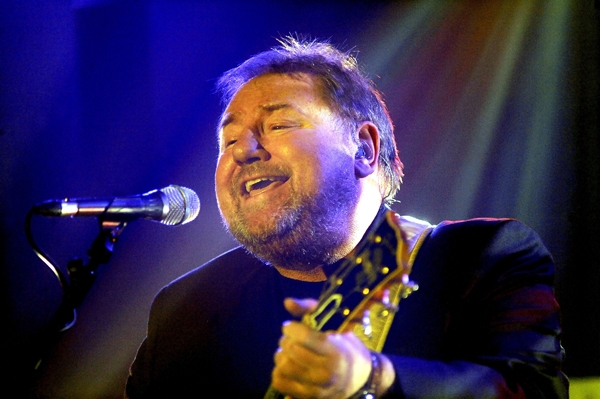
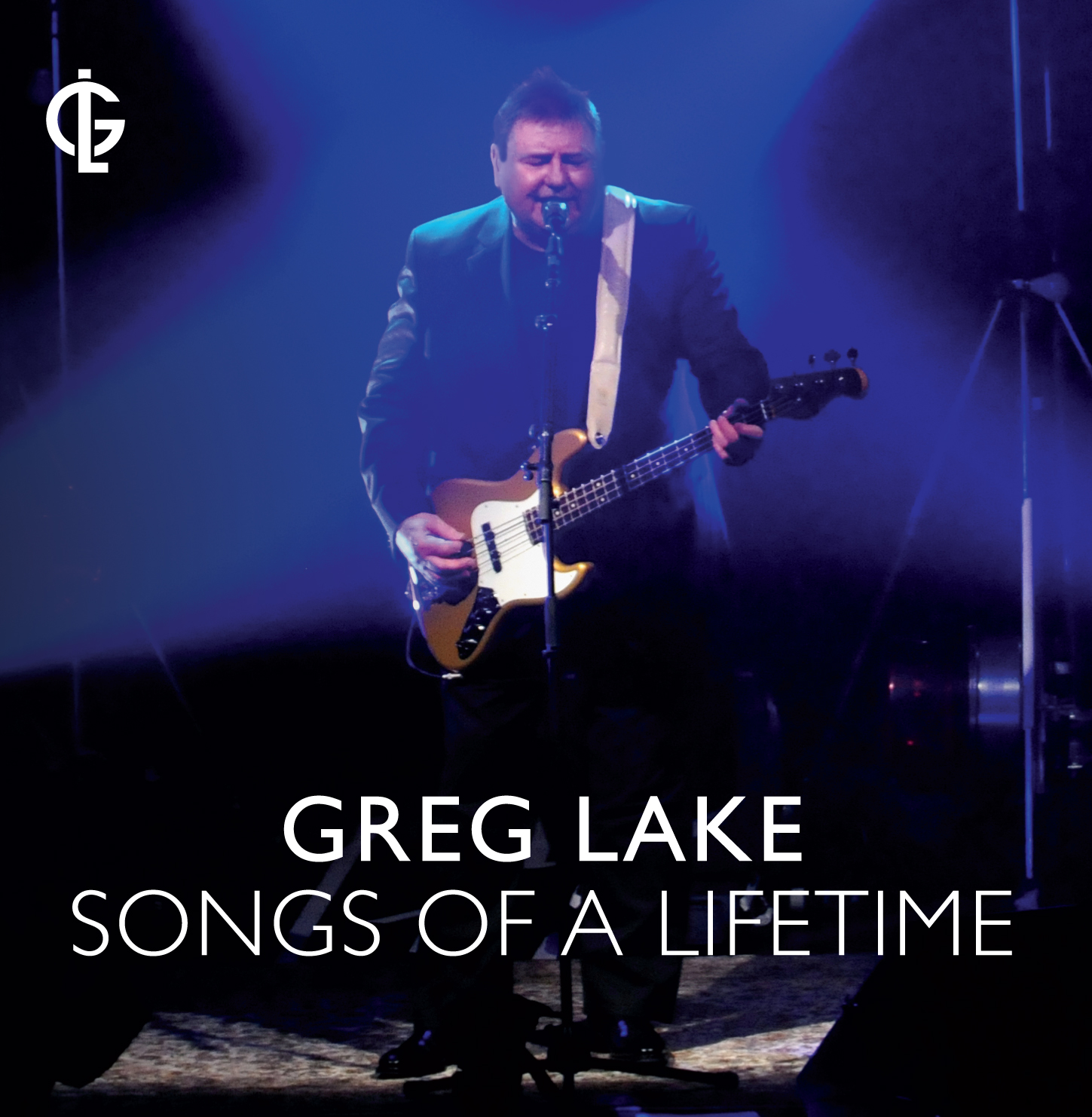
Greg Lake, tours the UK and Europe in “Songs of a Lifetime”, a shared musical journey full of drama and laughter which critics hail as an “artistic triumph” and fans say is the “experience of a lifetime”

August 13, 2012 – Legendary singer and songwriter Greg Lake tours the UK and Europe in Songs of a Lifetime, a shared musical journey and performance experience, which received rave reviews from fans and critics alike in North America. The tour begins this November 2012 in the UK.

Hailed as an “artistic triumph” and “the experience of a lifetime”, Songs of a Lifetime gives new insight into Greg Lake and his influences, while showcasing the influence his writing and voice have had not only for rock and roll, but contemporary music of all types.

Greg Lake has long been considered a legendary voice and musical powerhouse whose impact changed the landscape of rock and roll. Many simply refer to him as “The Voice.” Visionary and creative, Songs of a Lifetime provides an evocative, emotional ride into the life and music of one of the world’s most popular songwriters in a unique format which relies on audience involvement as well as the artistry of the performer.

The tour gives theatre goers the opportunity to hear songs written by Lake and others from Emerson, Lake & Palmer, King Crimson, the Beatles, Curtis Mayfield, Elvis, and more reimagined and reinterpreted for the stage. Audience members are encouraged to ask questions and share musical memories. The customized design allows for a different and personal experience for the audience and artist every night, featuring stories of Lake’s encounters with other musical greats who influenced him as well as shared memories created from what Greg calls “the shared journey” he has with the audience which allows the gift of music to “move from soul to soul and spirit to spirit.”

The show’s appeal has moved beyond fans of Greg Lake’s music, which helped fuel generations of rock and roll, to those who simply love music. Both those intimately familiar with Greg’s music and those who come to the show with roots in classical, blues, and succeeding generations of rock and roll find themselves enchanted and entranced.

“The concept of performing an intimate and autobiographical show presents a huge challenge,” Lake says. “The evolution of the experience is so invigorating it still gives me a thrill every time I think about it. The task is to develop an event that is memorable and unique, unexpected and impactful. I want to defy expectations and defy what people expect when they hear the words ‘one man show’. I am pleased to say that we have been successful in stepping up to that challenge to create an experiential show that is as much an event as it is a performance.”

“We create an intimate and unusual event together,” he adds. “However, at the end of the night the most important [thing] of all is that everyone feels entertained and enriched by the whole live experience.”

More surprises are ahead for fans and each show is both exciting and different. Lake has taken care to explode expectations of the ordinary to create something extraordinary.

“This is not a boring show, with me just strumming folk songs,” Greg promises. “It is a highly produced show with lots of drama and pathos,” he continues. “Everyone feels part of something indescribable, remarkable and enlightening, as well as having been entertained by shared memories of our musical journeys together.”

The UK and European legs of the tour follow a successful North American run, with rave reviews by audience members and critics alike.

“If you love music, you will love this show. I’ve never felt so much part of what is happening.”

“Greg Lake’s music is the music of my life. I can’t believe that I had the opportunity to speak with him, laugh with him, and to feel as if he and I were in his living room, good friends sharing good times.”

“Greg Lake is so humble and moving. He speaks with deep respect and humility of his idols in rock and roll, while the audience regards him as the iconic equals of those he honours.”

“It is an amazing show, not to be missed. I’ve seen it all and thought I heard it all, but if you love music, if you love rock and roll, you want to be part of this.”

The tour coincides with the upcoming release of Greg Lake’s autobiography, Lucky Man, and was inspired by it, but the two are not the same.

The autobiography is NOT an audio recording of the show, but a narrative of Lake’s experiences from childhood to the present, including never before revealed details, funny and poignant moments, and colorful facts of his amazing career as one of the world’s leading and influential musicians, songwriters, vocalists and poets. The autobiography will be released in three audio book volumes, read by the author. The first volume will be available at the show; the complete print edition is anticipated at the end of the year.

New editions of Greg Lake’s solo albums and DVDs are also expected to be made exclusively available to those fans in attendance.

Special VIP packages, which include sound check attendance, post-show interaction and photo opportunities, post-show receptions with the singer and signed merchandise, are available at http://www.greglake.com.

Greg Lake is managed by Stewart Young and the UK and European Dates are booked by World Concert Artists. corrado@worldconcertartists.org. More information can be found at http://www.greglake.com .

Check out the following montage of the show:

Greg Lake Songs of a Lifetime TOUR DATES – United Kingdom

November 12 & 13:

Pocklington Arts Centre, Pocklington, England
November 15:

The Queen’s Hall, Edinburgh, Scotland
November 17:

Lomond Auditorium, Glasgow, Scotland
November 18:

Mill Volvo Tyne Theatre, Newcastle, England
November 19:

Alexandra Theatre, Birmingham, England
November 20:

Philharmonic, Liverpool, England
November 22:

Corn Exchange, Cambridge, England
November 23:

G Live, Guildford, England
November 24:

Guildhall, Southampton, England
November 25:,

O2 Shepherds Bush Empire, London, England
More European dates are being added and will follow shortly.

UK press contact:
Billy James
Glass Onyon PR
glassonyonpr@gmail.com
PH: 828-350-8158

Global press contact:
Ellie Schwartz
ellieschwartz@aol.com
PH: 347.678.1760


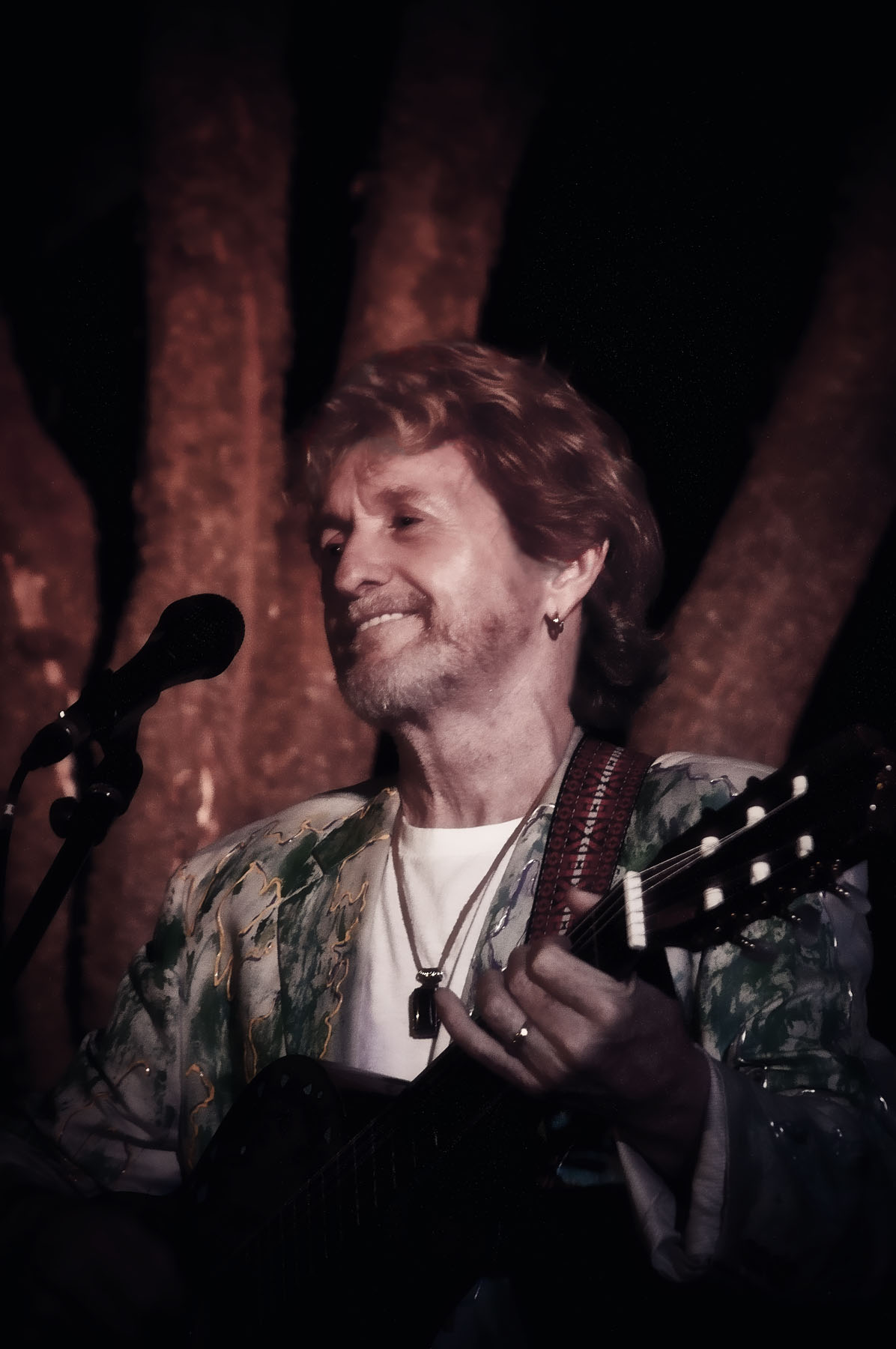
Jon Anderson on Cover of Prog Magazine

Please purchase the latest issue of Prog Magazine to see the full 5-page article on Jon.


Highly Anticipated Second CD Release By David Watt Besley Featuring Former Bon Jovi and Survivor Members Now Available

For Immediate Release

Highly Anticipated Second CD Release By David Watt Besley Featuring Former Bon Jovi and Survivor Members Now Available

August 3, 2012 – St. Augustine, FL – One of the breakout CDs of 2012 was the debut release by David Watt Besley titled ‘Believe These Eyes’, which made a believer out of many listeners! Now, the highly anticipated second release by David Watt Besley titled ‘Hopeless Romantic’ is available! Featuring former Bon Jovi member Kurt Johnston and Barry Dunaway (Survivor/Yngwie Malmsteen/Pat Travers) along with Gove Scrivenor (Neal Young/John Prine/Dolly Parton/Hank Williams Jr) and a host of other top Northeast Florida musicians, David has created a unique sound on his new release. If you molded Cat Stevens and John Prine you would come up with David Watt Besley. Freelance writer Richard Wall says, “I really got the Cat Stevens influence, particularly in David’s singing style. But the songs have a newness to them; they are well written, telling his stories from the heart, along with some sterling accents on a solidly enjoyable musical foundation, which suits the material.”

Virginia-born singer/songwriter David Watt Besley currently resides in Saint Augustine, Florida. In the mid-seventies David was part of the band Saucer, who were one of the first US bands looked at by Virgin Records. In the late seventies David played bass and wrote music with the NorthStar Band, one of Washington, DC’s most influential music groups. In the early 1980s David toured with Bob Margolin (Muddy Waters). In 1986 he joined his brother Ed Pickett and formed The Seiners, based out of Jekyll Island, Georgia and toured the southeast. In the early ’90s David joined the group Those Guys (several times voted Saint Augustine’s #1 band). The band also included Artimus Pyle (Lynyrd Skynrd) and Banner Thomas (Molly Hatchet). In 2009 he reformed Northstar with his brother Ed and signed a publishing deal with Shadow Mountain Music. In 2010 David put together The Big Lonesome, a group featuring some of David’s favorite local players and writers. During this time he also started a solo career simply called “DAVE”. Even though David loves to get together with Northstar and The Big Lonesome, he has found that his solo career is the most enjoyable – Dave and his music. Which leads to the release of his critically acclaimed 2011 debut CD ‘Believe These Eyes’; a CD that received praise from press and fans alike worldwide. And now, with his sophomore release ‘Hopeless Romantic’, recorded with longtime friend and co-producer Jim Stafford (Eclipse Recording Company), David hopes to bring his music to a larger audience.

“This is a collection of songs I have written over the years that I felt would go together well,” David explains. “Along with the special guest artists, I was real proud to have two of my lifelong friends record tracks on this CD, Chuck Caudill and Jim Miner, guys I played in bands with when I was 13. The covers I did were from two of my favorite writers and were both very big influences on my style of music. I have purposely tried to keep an acoustic feel on this release as I did on ‘Believe These Eyes’ I’m not trying to follow any fads, I am just trying to make good music!” David is currently playing select gigs in support of his latest CD release.

Finally David had this to impart: “Music is my life, it is what makes my world go around. I would like to thank all the fans that are following my music, it helps keep me going!”

For more information visit http://www.DavidWattBesley.com

To Purchase David Watt Besley – ‘Hopeless Romantic’ CD: http://www.cdbaby.com/cd/davidwattbesley2

Press Inquiries: Glass Onyon PR, PH: 828-350-8158, glassonyonpr@cs.com


UK Electro-Acoustic Group Auburn’s Reunion CD ‘Indian Summer’ Receives Rave Reviews


Photo by Phil Reeve

For Immediate Release

UK Electro-Acoustic Group Auburn’s Reunion CD ‘Indian Summer’ Receives Rave Reviews

July 31, 2012 – London, UK – One of the break-out releases of 2012, UK electro-acoustic ensemble Auburn’s ‘Indian Summer, has been garnering rave reviews worldwide. Featuring singer/songwriter Liz Lenten, Auburn reunited in 2011 after an almost 10-year hiatus! The group released their critically acclaimed CD ‘Indian Summer’ on May 7, 2012 on Scarlet Records, distributed through Gonzo MultiMedia. Described as a band that delivers “songs from the heart” by the London Evening Standard, and “Dreamy, moody and atmospheric” by Classic Rock Society, Auburn has been touring the UK in support of their new CD release. ‘Indian Summer’ is a mix of up-beat and slower tempo electro-acoustic pop music, but borrowing much from the roots, country and blues genres, with a slightly retro sound but still very 2012. “We have been really thrilled by the positive reviews that the album has had and the response at the live shows,” says Liz. “It feels like people are getting it and getting me. There is definitely an awareness building around Auburn and the ‘Indian Summer’ album, and we mean to develop that by doing some new tracks after the summer, and more live shows later in the year and also next year.

Here’s what the press have been raving about Auburn’s ‘Indian Summer’:

“One of the prevading joys is Liz Lenten’s voice – at times etheral and wispy, at other times emotive and powerful, but always a joy” – Tumblr

“Fronted by a tremendous vocalist in Liz Lenten, whose influence bears hallmarks of some of the great dream pop singers, but with more singer songwriter approach, the group create mature heartfelt melodies for a new generation” – Morning Star Online

“A warm intimate blend of stripped down electro-acoustic pop…’Indian Summer’ is a lovely album from start to finish of intriguing laid back instrumentation, high-spirited vocals and spine tingling harmonies’ – Rhythm & Booze

“Easy listening, inspirational and rather relaxing” – Ravenheart

“An immaculate Autumn record, released in spring signals the welcome return of a warmly missed English ensemble” – DMNE

“Understated and more often than not charming Liz Lenten’s pop styled folk has a beautiful, and on occasions, a quirky feel” – Flyingshoes

Fronted by female vocalist Liz Lenten, who’s voice has been described as “so sweet it’ll make your hair curl” and “husky, with an emotional frailty”, who isn’t afraid to show her full range of vocal tones or emotions. Likened on this album to singers including Macy Gray, Karen Dalton and Lady Daisey and with varied influences from Bonnie Raitt, Billie Holiday, Ricki Lee Jones, Amy Winehouse, Kate Bush and Janis Joplin to name a few, Liz’s songs grab you melodically, but also tell a story of love and life. The Auburn band is a mixed sound of lush acoustic guitars, rich cello lines and groovy percussion, underpinned by hypnotic bass lines.

Along with the positive reviews, Auburn’s ‘Indian Summer’ has been garnering substantial airplay around the world including stations like WWSP, KKUP, WCUX (USA), Roots Revival (Belgium). The album reached #18 in the UK Roots radio airplay chart on May 30, 2012. More live dates and a live video are in the works: “We are playing a full band show at ‘Exhibition Road Festival’ in London on July 29th, and then an acoustic showcase at the ‘Blue Nile Club’ in New Orleans on August 3rd for the E1 conference,” says Liz. “Then, more live dates after the summer and now looking at a UK tour the end of 2012 or early 2013, then we’ll be back in the USA next summer for some live dates and festivals.”

Auburn – ‘Indian Summer’

Label: Scarlet Records / Distribution: Gonzo/Proper

To purchase Auburn – ‘Indian Summer’: http://www.gonzomultimedia.co.uk/search/product_details/15443/Auburn-Indian_Summer.html

For more information: http://www.auburn.org.uk

http://www.facebook.com/auburnindainsummer

TV and Radio: Amanda Beel – All About Promotions: 020 7328 4836

Press Inquiries: Glass Onyon PR, PH: 828-350-8158, glassonyonpr@gmail.com


Herald de Paris Interview with Michael Des Barres

The Michael Des Barres Interview

By Al Carlos Hernandez on July 30, 2012

HOLLYWOOD (Herald de Paris) — Lord Michael Philip Des Barres (AKA Marquis Des Barres) is a British actor and rock singer. He is known for playing the recurring role of Murdoc on the television show MacGyver and for replacing the lateRobert Palmer in the band Power Station, fronting the band at the 1985 Live Aid concert. Des Barre is a supporter of President Barack Obama. Michael said, “Our country, the US, is built on big and interesting ideas.” Therefore the Michael Des Barres Band has recently donated $1,000,000 to Barack Obama to record, promote and support a CD of Sam Cooke cover songs with lyrics rewritten by President Obama to reflect his vision for our country. For more information on this: http://www.MDBIMMEDIA.COM

There is a Hollywood axiom: It’s not who you know that counts. It’s who knows you that counts. If this is true then Michael Des Barres is a rock star among actors. His close friends include Led Zepplins’ Jimmy Page and Robert Plant, as well as former Sex Pistols guitarist Steve Jones. Michael was invited by Brian May, John Deacon and Roger Taylor to succeed Freddie Mercury as the lead singer of Queen. Des Barres turned them down because he wasn’t sure he’d be right for the task.

Des Barres is perhaps best known as the touring singer for The Power Station, a 1980’s super group with players from Duran Duran and Chic. http://www.youtube.com/watch?v=kupMnltNcf8 Michael has also played with the 1970’s band Detective (featuring ex-Yes keyboardist Tony Kaye) and British rockers Silverhead.

Des Barres said recently, “I had come to the realization that my life has always been about rock and roll – that’s always been my great love. We get a huge charge in playing music that gets people off. When we played Coachella, I looked out over an audience of 50,000 people and it seemed like at least half were wearing Led Zeppelin shirts.” So the next step for the Michael Des Barres Band is to get on the road and take the music to the people. His quest is to win over a whole new generation with his below the belt rock sound. He said, “Many believe they are hearing something new. And it is new to them … hearing ‘Hoochie Coochie Man’ by a band that can play it is a true novelty these days.”

In order to turn his energy towards music and a touring band, this means he has to divide this time with a prolific acting career that, in many cases, has eclipsed his high profile legendary rock personae. As a much-sought-after character actor, over the past 27 years he’s appeared on such TV shows as Seinfeld, Roseanne, Rockford Files, Northern Exposure, The New WKRP and many more. Michael’s best-known recurring character was the evil mastermind Murdoc on MacGyver. Just last week he did a guest shot on the USA Network’s Suits. He was so successful as an actor that he said, “I got a little bored, was hitting my marks, was pulling out my gun and getting shot – but not dead!” he laughs. “So I could come back in another episode!” He loves acting, but he maintains his heart is firmly back into rock and roll, his first love. “If I get an acting gig that I like, I will still do it, but, if it interferes with playing with my band, I’d much rather be in a small club in Kansas City than in front of a camera in Hollywood.”

Michael has recently undertaken an new musical venture and has surrounded himself with players who share his authenticity and love for music that hits below the belt. Michael Des Barres and his band deliver a potent shot of rock and roll on the new album Carnaby Street. He said, “The album is a passionate, profound testament to the power of rock and roll, played in the classic style of British rockers Humble Pie, the Pretty Things and that band with Page-Plant.” The mission statement of Carnaby Street is its title track, where Des Barres remembers growing up as, “Oscar Wilde in velvet jeans,” and discovering rock and roll in a time when, “The Union Jack was in the hands of the Who.”

“I went to school with Mitch Mitchell and he said ‘I’m playing in a band with this black bloke, come ‘round and see us at the Marquee Club,’” recalls Des Barres. “So it’s 1967, I walk into this club and see Jimi Hendrix. It really blew my mind!” So today that feeling has never left me. The same music still moves me and gets me to moving.”

Herald de Paris Deputy Managing Editor Dr. Al Carlos Hernandez had an interesting conversation with the iconic rock star and actor Michael Des Barres.

What was the first experience in life when you realized that you wanted to be an artist?

MD: Your question is so interesting. When I really thought about my answer I realized I never made a choice to do either. It’s almost as if the arts chose me. Acting was what I was drawn to first, I can’t recall why. When I was a pre-teenager I knew I wanted to express myself artistically. This was the only way I could. I didn’t want to pursue anything else. I wanted to communicate how I was feeling by becoming someone else. A common theme throughout my life, so an artist I became. Replacing myself with someone else.

Is your first love music or acting? Which do you think you do best?

MD: Acting attracted me first, I suppose, because it was easier for me since children pretend, and that is what acting is, how well can you pretend. Then I discovered the blues and rock and roll. I was so taken by its raw power and carnality and spontaneity that was at variance with the discipline of acting. So I switched allegiances. But all of it, whatever I’ve done, comes under the umbrella of art, expressing myself in whatever way I can. Painting, photography, poetry, it’s all a device for self discovery.

Tell us about your friendships with Robert Plant and Jimmy Page (of Led Zeppelin) and Mitch Michel (of the Jim Hendrix experience). How did these peers effect what you do and how did your art effect them?

MD: My true friendships with fellow musicians have been a combination of respect and mutual raison d’être. Jimmy and Robert were at their peak when I met them and the power that they had while remaining generous brilliant men was a wonderful awakening that rock and roll personified by its perpetrators can be all things, aggressive, loving and human. This has remained true my entire career. The bigger the star the bigger the heart that beats within them.

You were signed by Purple records. Tell us about your friend who recently passed, Jon Lord. What are your feeling about him and how did he influence you?

MD: I did not personally connect with Deep Purple but I respected Jon Lord a great deal. He had an authority and a classicism that broke the usual description of a “rock and roller.” He was truly a gentle man and synthesized an orchestral feel to hard rock more expertly than anyone else has in my view.

What did you mean when you said that you have a love for music that is authentic and hits below the belt?

MD: My music is sexual. Rock and roll is about sex, feeling, passion, revenge, lust, love. I believe rock and roll’s heart beats below the waist. I like to move, I don’t like to think. My body I trust, my mind I don’t.

Tell us about the Power Station experience and working with the cats from Duran-Duran at their peak. Why did they choose you to replace Robert Palmer? What was that huge worldwide concert like?

MD: The Power Station was very powerful and it’s a station I’m glad I arrived at. I did a show in San Diego, CA with my band Chequered Past. We supported Duran at the peak of their fame. My band broke up soon afterward for the usual reasons, drugs and ego. I was in Texas visiting my friend Don Johnson while he was making a movie. I had just written Obsession and it was a worldwide number one so I was feeling great, reaping the rewards of that success. I got a call from a promoter in New York who said this band needed a singer and it had a hit record but the singer had just quit. They also had tour lined up. I said, “Who is it?” and he wouldn’t answer. Then he said, mysteriously, “Do you want to come to New York and find out?” It sounded fascinating, so I did.

As I entered the promoter’s office in NY I saw John Taylor and Tony Thompson looking alternately beautiful and nervous. They whisked me away to the studio and gave me their album, which was already platinum. They then gave me a version of the album with no vocals on it and put me on the Concorde to London so I could sing for Andy Taylor. I flew to London the next morning, met Andy and sang Get It On for him to the track in his studio. He liked what he heard. As a result I got back on the Concorde, returned to NY City, rehearsed for 10 days and our first real gig was Live Aid.

It was a hell of a day and a hell of a night since everyone on the show stayed in the same hotel. For me, an incredible experience. I had arrived at this place under extraordinary circumstances. I was playing the part of a rock and roll star in a band playing the biggest gig the world had ever seen. That’s how it felt, like a performance within a performance. I loved it.

You are one of the few people ever to successfully segway from a successful rock career into an impressive acting portfolio. Did you do that by design and how did the acting career manifest?

MD: If you look me up in IMDB or Wikipedia you will see that I was an actor first. To Sir with Love with Sydney Poitier was my first movie. I was 16 years old. I did theater for the next five years. Classical theater, a very disciplined profession. I was discovered by Andrew Lloyd Weber playing a rock star in a nude musical called The Dirtiest Show in Town. He introduced me to Deep Purple’s management because their singer, Ian Gillan, was singing Judas in Jesus Christ Superstar. He suggested I form a rock band. That was cult favorite Silverhead. My life changed overnight in August of 1971. So when I did come back to acting in 1985 I was prepared and already had the skills and technique to continue where I left off.

Did your rock persona cross over when you’d do parts like Murdoch on MacGyver or comedy like Seinfeld?

MD: Murdoc was a rock and roll assassin. I think that is why it was so successful. I loved the character; he had balls, was good with weapons, and was always seeking revenge, which is perfect for a guy who had been in three bands by then. Revenge was familiar. Acting and comedy in subsequent TV shows and movies came naturally. It’s all about rhythm. Without a sense of humor, life is intolerable.

Tell us about some of your memorable film experiences. I understand you worked with other rockers like Mick Jagger and David Bowie. Why do you think you were able to maintain a significant acting career when other rockers could not?

MD: My most memorable experiences in film are essentially all of them. I love the camaraderie of a movie set. The collaboration that goes into a movie. The intimacy that is achieved because of the long hours and the focus that is required. The most rewarding experiences are the best written scripts and the most interesting characters. If I had to single some out they would be “The Man From Elysian Fields” with Mick Jagger and Andy Garcia in which we played gigolos. “Diary of a Sex Addict” with Roseanne Arquette in which I played her philandering husband. “To Sir With Love” with Sydney Poitier and “PInk Cadillac” with Clint Eastwood in which I played a Neo Nazi biker. Playing American roles being an Englishman, accents are challenging, therefore they brought a particular sense of satisfaction and I think the discipline that I have acquired over the years has served me well in terms of longevity.

Tell us about your guest shot on the upcoming Suits program. You play a Russian ballet impresario?

MD: My roll on the new hit USA network show “Suits” was fun. We had just finished Carnaby Street, my new album, and I was offered the roll of this corrupt Russian. It was shot in Toronto. I flew up there, did my thing and was both relieved to get away from the concentration of recording and throw myself into something else.

Which acting platform do you enjoy the most, TV or film and why?

MD: The movie business is more indulgent time wise, more takes, more waiting around. TV is quicker, I like that. I don’t like directors that insist on too many takes. I lose interest. It’s the same in my music, get in there and play, give it everything you’ve got and move on.

You have said recently that, as an actor, you got a little bored: “I was hitting my marks, I was pulling out my gun, getting shot – but not dead,” so you could come back for the next episode. What did you mean?

MD: I need to reinvigorate myself on occasion. One can become stale and repetitive; I like to mix it up so I can remain fresh and interested in whatever I do.

A worldwide headline states that you have donated one million dollars to Barack Obama to record a CD of Sam Cooke cover songs, with lyrics rewritten by President Obama to reflect his vision for this country. Why did you come up with this concept?

MD: I believe in Obama. The US is built on big and interesting ideas.

Do you feel a need as an artist to enter and/or inform the political arena?

MD: I have no desire to politicize. Human behavior is my politics. Freedom and equal rights for all. Dogma has no place in my life. Love and compassion is all that matters.

You were in the Maroon 5 “Move Like Jagger” video?

MD: I did Maroon 5’s video for “Moves like Jagger” because Jonas Akerlund is a wonderful director. I’ve worked with him a number of times; I love his crew and his brilliance. He asked me to participate in the Jagger video and we had so much fun doing it.

Who are some of the new artists you listen to?
MD: In terms of new music I love so many new artists. The music business is dead but music is very much alive. Jack White, Black Keys, The Alabama Shakes, all these artists I think are amazing. So many talented people who now, in this DIY age, are finding an audience thanks to new technology and the individual freedom through which self expression can manifest.

Tell us about your latest CD Carnaby street. I am told that you reached down into your soul and that the album is a passionate, profound testament to the power of rock and roll played in the classic style of British Rockers Humble Pie. What can fans expect?

MD: “Carnaby Street” was a labor of lust. I was raised on British Blues. I was in the clubs of London when I was 16. I wanted to evoke the raw simple passionate sounds of the music that had inspired me. Our listeners can expect to dance, make love, and laugh with joy and recognition of a world full of sex and redemption and wit and wisdom.

Tell us about some of the rave reviews.

MD: In terms of the critic’s reception to our album, the reviews have been exceptional. Embracing what I have said in my last answer. You can obtain quotes from Billy our wonderful PR guy. They are amazingly accurate. I think I have hit a nerve of simplicity and joy that has gone missing in contemporary rock and roll.

You are very visible on social media. Tell us what you think about new media and how you are using it as a platform to further your interaction with your worldwide fans.

MD: I’m very much involved in social media. I believe in connection. I want my friends (I don’t think of them as fans) to know how I truly feel about everything. The internet affords me that experience. I believe if you know about my sincerity and motivation you will accept that what I am saying and singing is my truth.

What are some of the new projects you have in the works? Are you planning to tour?

MD: We will indeed tour and I hope all your readers come and see us.

How would you like the world to remember you?

MD: I would like to be remembered as the world’s greatest kisser.

Edited by Susan Acieves

Source


Music-Illuminati Interview with Steve Hillage

Steve Hillage is best-known for his amazing guitar playing with Gong during its classic Radio Gnome Trilogy phase (1973-75), and for his subsequent solo career which included the albums Fish Rising (1975), L (1976), Motivation Radio (1977), Green (1978), and Rainbow Dome Musick (1979). He also played with the prog rock band Khan which released their only album Space Shanty in 1972, with Kevin Ayers on the album Bananamour (1973), and on the live performances of Tubular Bells at Queen Elizabeth Hall in 1973 and for the BBC in 1974.

In the 1980′s, Hillage worked as a producer for artists including Simple Minds, Cock Robin, and Robyn Hitchcock. Then, after meeting Dr. Alex Paterson, he co-wrote, co-produced, and recorded songs with The Orb, including the British hit song “Blue Room”. Hillage and Miquette Giraudy also formed the still-active ambient dance band System 7, which has collaborated with Paterson, Derrick May, and others.

This interview was done by phone on 7/25/12.

Jeff Moehlis: I’ve been enjoying your new release The Steve Hillage Band Live, recorded in 2006. What made that the right time to return to live performance of your 1970′s solo work?

Steve Hillage: Well, we had an opportunity. The Unconventions were a series of events that started just with the Gong fans in the early parts of last decade. And then they gradually progressed, and in the 2005 one we came and we played a set with our dance project, System 7. And various other Gong members were there. This was in Glastonbury, in the U.K. This was the year before the one in Amsterdam. Quite a lot of Gong members were there, original Gong members. Not Daevid Allen, but Gilli [Smyth] was there, and Didier Malherbe, and Tim Blake, and Mike Howlett. At the end of it we said, “Oh, let’s have a jam!” And so we had jam, and it was fantastic. So we decided we’d go for broke and do a really big Unconvention event in Amsterdam the following year.

Then I thought, well, because Mike Howlett played on Fish Rising, and the drummer of Gong, Chris Taylor, expressed an interest in doing some Steve Hillage tracks, we thought, let’s do a show of Steve Hillage Band sets as well. And this is the one that has been recorded and released on the DVD [and CD]. We just had an opportunity to do it. And it was interesting to do.

Then we did some further Steve Hillage Band sets as a support act for a Gong tour we did in 2009, a follow-through from the Unconvention event. But I will say that for these sets the Steve Hillage Band was basically connected umbilically to Gong, because we had Mike Howlett, the bass player of Gong, and Chris Taylor, the drummer of Gong, playing with myself and Miquette [Giraudy] and a couple of other guests.

If we do it again in the next year or two, it will be a different thing. It will be what we call a “stand-alone” Steve Hillage Band. So that’s an even more major enterprise that we’re considering possibly doing next year or in 2014.

JM: I know it’s premature, but do you think that would involve touring the U.S.?

SH: If someone wants to book us, yeah [laughs]. If no one books us, no. It’s as simple as that. I mean, if we decide to tour, we’ll play anywhere that we can put on a viable show. But someone’s got to book us. We can’t create concerts out of thin air.

JM: Your solo work has held up extremely well. What were your goals as back in the ’70′s as a solo artist, and do you think you achieved them?

SH: Well, I think the main goal was to create a sort of second-generation of psychedelic rock, you know, after the ’60′s which was when I grew up. That all went a bit pear shaped in ’69, ’70, with Altamont and everything, and then the death of [Jimi] Hendrix, who is my number one musical influence.

I was in a younger generation. We saw ourselves as a sort of second wave of psychedelic rock music. Gong was part of that as well. That was the main goal, I suppose – modern psychedelic rock music with a kind of tinge of spiritual philosophy idealism.

So, yeah, we definitely achieved all of that. In fact, we achieved it so much that by the time we got to 1980, we felt we’d kind of done it, you know?

JM: That was one of my questions. Why did you stop touring at the end of the ’70′s?

SH: Because we felt we’d sort of done what we had to do, and said what we wanted to say. We wanted to sort of find new areas of expressing ourselves – this is myself and my partner Miquette – musically. We were really tired of the rock band format, and we were aware of new developments in electronic sounds. We just watched the whole thing develop in the ’80′s while I was working extensively as a record producer.

In the ’80′s it was very different in the U.K. from America. In America you had the Deadhead scene that carried the whole psychedelic scene all right through into the ’90′s. In the U.K. in the ’80′s, psychedelic rock music kind of died out, more or less, and psychedelic culture, which was still there in terms of writing and poetry and art and general vibe, it actually sort of moved into the electronic music sphere in the mid-80′s, before the explosion of dance music. Dance music and psychedelic culture were wedded together in the ’80′s in the U.K., and it was a very obvious place for us to find ourselves.

This may be happening now [in America], you’ve got things like the Disco Biscuits, and the Camp Bisco Festival. But in the ’80′s this definitely wasn’t happening. A lot of people who liked psychedelic and progressive rock music, they hated techno and disco with a vengeance. Probably still do, actually.

JM: Is it fair to say that you see dance music as an evolution of psychedelic music, or is it a whole different beast?

SH: Since the 80′s, there’s been a psychedelic element in dance. But dance music has many things fused together to make it what it is – you know, funk, reggae, German music, all kinds of stuff.

JM: You had mentioned that in the ’80′s you got into production. Going back to your solo albums, L – which I think is my favorite of your solo albums, incidentally – was produced by Todd Rundgren, and Green was co-produced by Nick Mason. What did you learn from them that you then could then apply to your own producing?

SH: A lot, actually, and I was aware at the time that it was a very useful experience to be produced by these illustrious gentlemen. Yeah, it was very useful for me. It gave me a unique set of experience.

Obviously when I’m on the other side of the glass, as they say, I can empathize with the musicians in a particular way.

JM: Going way back, before your solo career, I think your first recording was Khan’s Space Shanty.

SH: Yeah, that was my first release as a professional musician. I would say that, in a way, it was almost like my first solo album. Because Fish Rising, in some respects, was like the second Khan album that never was. Some of that material, actually, I was working on before I joined Gong in 1972, ’73. I continued to work on it while I was in Gong. Interestingly enough, on the CD of the live recording that we’re releasing now, one of the bonus tracks is an early version of a Fish Rising track called Solar Musick Suite, actually performed with Gong in 1974. That’s what happened to Khan [laughs], it eventually became Fish Rising.

JM: To my ears Khan has a bit more of a progressive rock feel, on the Space Shanty album, that is. Whereas your later music was more Space Rock, or psychedelic.

SH: Yeah, that’s true. The Khan album I put together when I was in Canterbury, in Kent. I was in an environment of a music scene. I was working with people like Henry Cow and Caravan. Yeah, that was one of my musical roots. I did go more psychedelic [later]. Obviously the Gong influence was indelible, and remains so to this day.

JM: You also recorded with Kevin Ayers. It seems that Ayers is a huge talent who never quite got his due, never got the album sales that someone with his talent should’ve gotten. What is your take on Kevin Ayers?

SH: Well, I know Kevin very well. He’s another of the original Soft Machine members like Daevid Allen. He helped a lot in the early formation of Gong. He was part of the Gong family.

There’s maybe elements of his personal life that didn’t help him following through on his unique singing talent and his songwriting. But I enjoyed working with him. I’d known him since I’d been in Canterbury. In 1972, I was still just 21, I felt having my own project Khan had gotten to be a bit much for me. I thought it was too much pressure, and I wanted to play with other people. So I kind of put Khan on hold, before we got to recording the second album. And I also had an approach from this new record company, Virgin Records, to do a solo deal. That’s how eventually I got to do Fish Rising. This all happened before I joined Gong, actually. Gong was in fact one of the first Virgin Records signings, as was Mike Oldfield.

Now, Mike Oldfield was in in Kevin Ayers’ band. It was called Kevin Ayers and The Whole World, and he’d left the band because he wanted to do his solo projects, which started with his very successful Tubular Bells. So Kevin Ayers had no guitarist, and he said, “Would you like to work with me for a bit?”, you know, and I said, “Yeah.” And that gave me an opportunity to work with someone else. I recorded some tracks on his album Bananamour, and then we did about six weeks of touring. And that’s how I eventually ended up in France, and ended up moving from Kevin’s band to Gong.

JM: You mentioned Mike Oldfield, and you played on the live performances of Tubular Bells with Mike Oldfield. How did that come about, and what was that experience like?

SH: When we were doing the Flying Teapot album with Gong at the Manor Studio, Richard Branson’s studio, we were sharing the studio with Mike, who was finishing Tubular Bells. When we were asleep he would come in and he’d work, and when he was asleep we’d go in and work. It was a 24/7 situation. So I got to know him then. And then later he invited me to play on his launch concert… I mean, we had no idea this was going to be so massive, you know? The launch concert was great. It was after the launch concert, we had the feeling it was going to do really well. I enjoyed working with Mike.

In fact, he had a bit of a sort of kind of breakdown a couple of years later, and he had a lot of concert orchestral gigs booked. He pulled out of them with short notice. Various other guitarists stepped in to deputize for him, and I deputized for him at a few concerts. The other guitarist who deputized for him was Andy Summers, later of The Police. Andy in fact has a connection with the Soft Machine. He played with the Soft Machine for a while. We’re one big family, you know? [laughs]

JM: I’m a huge fan of Gong’s Radio Gnome triology, and Flying Teapot [Volume 1 of the trilogy] is one of my favorite albums of all time. How would you describe the magic chemistry that came together to make those albums so good?

SH: Oh, it was absolutely an unforgettable, brilliant, but chaotic roller coaster ride. It was a brilliant combination of people we had at that time in Gong. Strong personalities – that’s why the thing was inherently unstable – with the unique talents of Daevid and Gilli, as the sort of founding members, plus craziness of the Gong mythology.

It was really like the ultimate psychedelic band. I mean, it was fantastic. I have great memories of that time.

JM: Obviously the musicianship is great, but the songwriting as well. It just came together.

SH: I can’t think of any other psychedelic rock band from the ’70′s that had quite the same level of funk and jazz musicianship, as well as all the space, and the craziness, and the humor, and the poetry – all these elements all mixed together – and the artwork. It was a total package.

We were conscious of it at the time. We felt we were doing something really pretty amazing, you know? We were digging it. It was exhilarating. But, as I said, like many good things, it was not to last.

JM: I understand there was a bit of turmoil. Are you willing to share some of the good and the bad times of that era?

SH: Well, you’ll find a lot of it in Daevid Allen’s books. He’s got these two books, one called Gong Dreaming 1 and Gong Dreaming 2. They’re the reference works. I can’t really say that much apart from the fact that it was chaotic and exhilarating.

It was a great pleasure to get back with most people again at the Uncon, and then on the tour we did in 2009 and 2010. I mean, that’s kind of run its course now. I’m not so involved with Gong right now, but it was great to get back together again. It was a very pure moment. Unfortunately we couldn’t share it with everybody because some key members, notably Pierre Moerlen, the drummer, was no longer with us, unfortunately.

JM: So you don’t have any plans yourself to be involved with Gong, either an album or a tour?

SH: Well, we did the Uncon, we did the 2032 album that came out in 2009, a new album. We did the big tour in 2009, smaller tour in 2010. But this year Daevid’s taken Gong in a different direction, and its not a direction I can really follow. But they are touring. There’s a Gong tour this autumn in Europe, a big one.

JM: What advice would you give to an aspiring musician?

SH: There’s the great advice that actually Jimi Hendrix told Daevid Allen in the toilet of a club once in 1967. And he said, “Stay with your thing, man!” Basically, you’ve just got to stay with your thing. You’ve got to find a way of manifesting your individuality and your personality in what you do. Stick with it, and just develop your skills. That’s the essence of the whole thing. “Stay with your thing, man!” [laughs]

JM: You’ve touched on this a little bit already, but what are your plans, musical or otherwise, for the near future?

SH: We’re doing more System 7 material. We’ve just got a new EP coming out called Passion, on our label A-Wave, which is connected to the label that we used to release the Steve Hillage Band thing, which is G-Wave.

We’ve also got a very interesting project with a Japanese band, because we work a lot in Japan with System 7. They’re a Japanese live rock / psychedelic jam band called Rovo. They’re quite big in Japan. We’ve known these guys, particularly their electric violinist, for about ten years. And we ended up doing a tour last year where we did a collaboration set where they did some live band versions of some System 7 material, and we did System 7 versions, with a techno beat, of some of their material, and then we morphed from one to the other. It was very interesting. I don’t quite know any other project that so completely fused live band and techno music. It was very interesting to me because in one project it combined my work as a techno producer and as a lead guitar player. The project’s called Phoenix Rising. It had a particular resonance in Japan, because the phoenix is an important image in Japanese mythology. They’ve got the Asian equivalent of the phoenix. And, of course, after all the problems in Japan with the earthquake, the tsunami, and of course the terrible ongoing nuclear disaster, there’s a great need for Japan to get a grip and revive its morale. Phoenix Rising was a good symbol for that. The tour we did was very successful – it was last November. So we decided to do an album. Now we’re going to do a Phoenix Rising album to be released in Japan and the rest of the world. We will release the rest-of-the-world version on our label G-Wave. We’re going there in September to record the Phoenix Rising album, and then we’re hoping to do a major tour with this, second half of 2013. That would be something that we’d love to come to America and do. It’s a very interesting project.

JM: That’d be great. I’m based in California. I’d be very happy to see you in any incarnation.

SH: Yeah, we’d love to. Get your local promoter to send us an email. We’ll try to work something out – that’s all I can say.

JM: Do you want to set the record straight on anything regarding your music, your career, some misconception floating around?

SH: There are a couple of misconceptions. I’ll talk of two. There’s many, but I’ll talk of two.

One, there was a reformed Gong for one concert, a live show in 1977. That was released on an album called Gong Est Mort, in French – it was in Paris. Gong Est Mort, Gong Is Dead. On the cover on that, my face is whited out, and some people think it’s because I had some apocalyptic falling out with Daevid Allen and the rest of the guys. That’s not true. That is not true. It was just purely because of a contractual dispute between Virgin Records, to which I was signed, and a French record label which Gong was originally signed to, which wanted to put out this live recording. I insisted on doing the show. Richard Branson didn’t want me to do the show, and I said I had to do the show. There were some personal reasons why I had to do it, because we owed some money to a guy in France who had had a lot of problems, and this concert was a way of paying him back. I had a personal debt to this guy. I felt absolutely honor-bound to do the concert, and I enjoyed it. So I did it whole-heartedly. But unfortunately they whited my face out purely for record company bullshit contractual reasons. That’s one misconception.

Secondly, some people think our System 7 project in America was called 777 for a while because we had a dispute with Apple about their operating system. That is not true. The reason we couldn’t call ourselves System 7 for a few years – because there was another band called System 7. It was resolved later, in the 90′s, and now we’re System 7 universally. Although we didn’t mind people thinking that Apple was the reason [laughs], we thought it was kind of cool, kind of interesting. We actually thought of the name System 7 before Apple came up with Operating Sytem Version 7. It’s a coincidence. A nice coincidence, because we’re fans of Apple, so that’s OK.

JM: Where am I reaching you at?

SH: Notting Hill, London. Where I’m trying to hide from the Olympic Games.

JM: Are you looking forward to the Olympics?

SH: No, because it’s going to cause chaos and confusion. I mean, where they made the Olympic Stadium and Olympic Park is quite near where I grew up, and it was a very, very poor area. So I think there will be a lot of long-term economic benefits from the games. So it’s OK, but I don’t like all the patriotism, I don’t like all the people screaming about medals, and I don’t like the rather paranoid atmosphere with lots of soldiers on the streets. They’re all worried about terror attacks. And also, they’ve blocked a lot of the roads off so only Olympic traffic can use it, so there’s traffic chaos. We call them the ZiL lanes. Like they had these roads in Communist Russia where only the party leaders could use them. They’ve got the ZiL lanes in London.

I’m reminded of a very funny, a very special Woody Allen quote. He said, “It’s not that I’m scared of death. I just don’t want to be around when it happens.” And I say, “I don’t really mind the Olympics, I just don’t want to be around when they happen.” Unfortunately I have to be around, because I’ve got some work to do in the city. I’ll be hiding in the studio. [laughs]

Actually it’s OK, because where we are in Notting Hill is West London, and the Olympic Games are in East London. All the action’s in East London. It’s quite quiet over here in West London, apart from the road to the airport, which is a nightmare. But if you keep away from that, it’s not too bad.

JM: Thanks for taking the time to talk to me. And enjoy the Olympics, or enjoy avoiding the Olympics.

SH: Yeah, sure.


Source


Jon Anderson – Race To The End – a special tribute to the Olympics by original YES vocalist Jon Anderson


New CD From Original Fleetwood Mac Guitarist Jeremy Spencer To Be Released Worldwide On August 28, 2012

For Immediate Release

New CD From Original Fleetwood Mac Guitarist Jeremy Spencer To Be Released Worldwide On August 28, 2012

July 24, 2012 – San Francisco, CA – On April 21st, legendary guitarist Jeremy Spencer, an original member of Peter Green’s Fleetwood Mac, member of the Rock & Roll Hall of Fame, and featured artist on Propelz, released a limited edition double vinyl album titled ‘Bend In The Road’ for International Record Store Day. The release packs a “vintage vibe” by way of Jeremy’s handmade touch, fusing his artistry as a consummate slide guitarist, singer/songwriter, interpreter, and illustrator. His evocative watercolor graces the timeless gatefold cover, recalling enduring albums when records were the sum of their parts and made with consequence. Within is an equally crafted collection of songs coming from the deepest core of his heart. He sounds as authentically tasty and fiery as ever, displaying a far wider guitar palette, insight, and conviction that have continued to evolve since his long absence from the public eye. On August 28, 2012 Jeremy Spencer’s ‘Bend In The Road’ will be released on CD worldwide with a new package design.

In Fleetwood Mac, Jeremy shared the spotlight with reticent star-super nova Peter Green, embodying Elmore James riffs and vocals obsessively and uncannily. He possessed an equal fervor and absolute command of quintessential early rock and roll, personifying personal hero Buddy Holly and his ilk spot on. On ‘Bend In The Road,’ the Elmore and Buddy influences and impeccable blues and rock rendering remain intact and vibrant, while also present is a new collaborative nature. He selflessly trades guitar licks and support with Brett Lucas (the young Detroit guitarist and aficionado who co-produced the album and whose band augments the proceedings) in the way Green and Kirwan shared on the iconic “Albatross”, the torching “Like It This Way” and the introspective “World In Harmony”. On the album’s elegant “Merciful Sea”, producer Brett managed to persuade Jeremy to reveal his hereto unsung, intimate, and affecting piano playing for all to marvel. Throughout the full 32 tracks recorded at this time, one can hear an expansive range of influences from Django to Marty Robbins. Jeremy plays effortlessly while seamlessly incorporating these influences and making them his own, as natural and easy of a fit as that of his beloved ceramic slides.

This record is a career culmination of technique meeting soul that has a transcendent, “Layla-esque,” quality. With its escalating and emotive sequence of songs, which are spiritually driven and invested (recalling LPs of yore, but without sounding dated), the album instead sounds intoxicatingly assured, relaxed, and out of the blue resonant.

The Special Limited 2-LP Gatefold Edition released on Record Store Day, April 21st, 2012, contains 17 tracks, 4 of which are exclusive: Jambo, Strange Woman, The Sun is Shining, and Blind Lover (but without the song Homework, which only appears on the CD).

In 2006 Jeremy Spencer released his album ‘Precious Little’, which met with enthusiastic reviews and marked a new beginning for Jeremy after virtually disappearing from the music world for 33 years.

Press surrounding ‘Bend In The Road’ includes:

“I had chills up my spine listening to it tonight, and when I heard ‘Aphrodite’ the first time a few days ago, I was literally right back into ‘Then Play On’ territory…couldn’t believe it…an instant classic right there.” Rick Frystak, Amoeba Records

“Inside is a collection of songs that come from Spencer’s love of the blues. It’s an intimate journey but one that will connect profoundly and repeatedly with listeners.” Clive Rawlings, Blues Matters

“An album I am sure will satisfy all good music lovers, from those who loved the original Fleetwood Mac, to the younger ones, who enjoy pop music, blues, rock, classical music, soul… So, if you like good music, this album is perfect for you.” Vincent Zumel, La Hora del Blues

” ‘Bend In The Road’ flows with the ease of a master craftsman at the top of his game. His obvious skill and passion for what he does makes this disc impossible for me to remove from the player. It has simply mesmerized me.” Monte Adkinson, Suncoast Blues Society

‘Precious Little’ left Blues aficionados eager for more… and now, six years later, Jeremy Spencer has put together a masterpiece with his new release, ‘Bend in the Road’.

For more Information: http://jeremyspencer.com/

Promotional Requests or to set up an Interview, please contact: Billy James at Glass Onyon PR at 828-350-8158 or via e-mail at glassonyonpr@gmail.com

High res photos can be downloaded at: http://www.propelz.com/press-kits

For US distribution inquiries, please contact Steffen Franz or Ben Lang at Independent Distribution Collective, telephone: 415-292-7007 or via e-mail at sales@independentdistro.com