Category Archives: Interview

Progressive Rock Central.com – Interview with Progressive Rock Legend Jon Anderson

BY ANGEL ROMERO
– JANUARY 12, 2012

Jon Anderson – Photo by Tami Freed
Jon Anderson, the legendary progressive rock vocalist that fronted Yes for many years is back with numerous projects. The most interesting by far is Open, a long musical suite with four movements produced by Jon and Jane Anderson that has brought back the wondrous sounds that Anderson is known for. Jon Anderson composed the music and wrote the lyrics. Stefan Podell made the orchestration and additional music.
You made many progressive rock fans very happy withOpen. When did you start working on this project?
About a year ago…I started with an acoustic guitar, put down a framework, and then Stephan Podell did a wonderful orchestral arrangement…We talked about how best to make ‘Yes fans’ enjoy the journey, I think that was my motivation…
What instruments do you play on Open?
Just acoustic guitar.
And in general, what instruments do you play?
I’ll play anything, not great, but just enough to make it work…I love piano, and guitar mostly.
Who else participated in the Open recording?
Jane Luttenberger Anderson on angel Vocals; Stefan Podell on music and orchestration, 12 string guitar, classical guitar and bass; Zach Tenorio Miller on piano; Zach Page on electric guitar; Alexandra Cutler-Fetkewicz with Jon Fink and Susan Lerner on strings; Kevin Shima on acoustic guitar and vocals; Brian Hobart on Percussion; Stephan Junca on drums and African Percussion; Charles Scott on drum kit; Cal Poly A Cappella group (Robert Foster, Ian O’Rourke, Madelyn Frey, Jacob Stringfellow, Aaron Wolfe, and Amy Stevens); and additional backing vocals by Billy James.

The complexity of Open reminded me of your legendary solo album Olias of Sunhillow. Will there be more music in this direction?
I’m just working on the next ‘opus’…called ‘Ever’
You’ve had recent solo tours, including one with your with your old friend and former Yes colleague Rick Wakeman. How did that work out?
Rick Wakeman (left) & Jon Anderson (right)
Rick is fun to work with, he’s playing better than ever, and the songs we do are great to sing. Audiences love the banter between us,…and the new songs really have a different energy.

How is Rick doing health wise?
He’s really very well.
Will you be recording more with Rick Wakeman?
I hope this next few weeks we will work together.

Argentine Stick virtuoso Guillermo Cides mentioned recently that he will be working with you and Australian Truey Marks on a new project in 2012. Can you share some details about that?
Ask him to contact me please…
How do you find the time to play in so many projects?
It’s that time of my life, after nearly dieing in 2008, I realized I should try and finish my work…well, there’s more than I would believe…so I just keep working on the music…it helps everything…
You are a singer and also a songwriter. How do you work as a composer?
I usually sing with guitar, record everything I do, almost everyday a new song comes…it’s wonderful.
Where do you get your inspiration from?
The divine ‘love’ that surrounds us.
I’d like to take you back to the early 1970s. Yes made albums that are considered progressive rock masterpieces. I’m talking about Fragile, Close to the Edge, Tales from Topographic Oceans and Relayer. What was happening at that time that led you and your band mates to compose such incredible music?
I was driven to try new music, we were being told to write ‘hit songs’…I just felt it would be a waste of the talent within the band, so I chose to escape, and help create new music…it is wonderful to look back at those times; we were in perfect ‘harmony’ with each other.
If you could gather any musicians or musical groups to collaborate with whom would that be?
I would start with Tony Levin, Billy Cobham, etc etc…
In this age of economic turmoil and social unrest, do you have a message you’d wish to impart through your music?
Change is good…and Change we must…
Jon Anderson
What music genres, groups or CDs are you currently listening to?
Amharic music…Ethiopian…
We interviewed the Senegalese singer Baaba Maal and asked what song was he completely addicted to – the one song that he will sing along with every time – and he told us his song was “One Love” by Bob Marley. What is your one song?
‘I will fix you’…and a million others…
What do you like to do during your free time?
Paint, cook, watch Soccer and ‘American Football..walk with my Janee.
What country would you like to visit?
China, I’ve been there 3 times, amazing culture……..Africa…India.
Which is your favorite city?
Paris.
What was the first big lesson you learned about the music business?
No such thing as a free lunch…
What other projects are working on?
A zillion projects…tons of them…

Source


Interview/Review: Janet Robbins ‘Song of the Gypsy Tree’Seductive & Magnificent

In the world of mundane so-called superstars that repetitively get shoved into our subconscious, it’s truly invigorating to be absorbed by an emerging and untainted virtuoso. She’s Janet Robbins. An inventive and enchanting songstress, who composed, produced and performed all the instrumentation on her latest masterpiece, amply titled, Song of the Gypsy Tree. The CD projects an eclectic mix of sounds, imagery, and energy that embraces the mind and spirit.

Janet Robbins grew up in a Nashville household that included legendary dad, Marty Robbins. Robbins was an illustrious country & western music entertainer with numerous hits including several that reached the pop charts. One of Robbins most memorable tunes was “El Paso,” a #1 chart topper on both the country and pop charts. Marty Robbins was respected and emulated by legendary artists such as Elvis Presley, Frankie Laine, Johnny Cash, The Grateful Dead and The Who. Marty Robbins was also a multi-instrumentalist performer.
Advertisement

Janet Robbins was told not to follow in her famous father’s footsteps by her dad. According to Janet, Marty Robbins kept his personal life private, not wanting to expose his family to all the glitz of show business. And she admits that she rarely got to see him perform. Janet stayed away from music for the first half of her life and was not a fan of country music. Instead at an early age embraced, The Doors hypnotic single, “Riders on the Storm.”

Janet would soon be captivated by artists such as Yes, Pink Floyd, Jeff Beck, Led Zeppelin and ambient music pioneer Brian Eno. Janet was also influenced by classical greats Chopin, Beethoven, Mozart and Dmitry Kabalevsky. Robbins music is categorized somewhere between progressive/ambient/ and experimental. But she has an indefinite talent that could easily embellish any existing genre.

Robbins graceful vocalization and entrancing orchestrations can easily become a motion picture soundtrack. “As In Winter,” a magnificent and complex piece, thrusting the mind into wondrous journeys. “November,” is a haunting superlative blend of piano and vocals. “Sparks,” is a powerful anthem of love for the planet.

Janet Robbins impressive debut album titled, All the Worlds was released in 1998 with delightful similarities to Song of the Gypsy Tree. Robbins followed with Carrying the Bag of Hearts Interpreting the Birth of Stars, a (3) Volume CD instrumental release recorded by Janet using her home studio. This mystifying compilation of ambient sounds will soothe the psyche and stimulate the senses. Robbins never ceases to amaze.

I had the wonderful privilege of speaking with Vocalist/Songwriter/Multi-instrumentalist/ Producer/ Janet Robbins last week from her home in California.

Ray: Janet thanks so much for being on the call today. When I received your CD, I was instantly persuaded by the artistic front cover and your Stevie Nicks-like pose on the back cover. I gave it an immediate listen and then became totally captivated. So I checked out your Facebook page and noticed that you and I were only (2) days apart in birth. (Same month and same year) We’re both an Aquarius. Then I began to feel a connection.

Janet:“How cool is that! Have you ever had your chart read?”

Ray: No, I never have but would really love to.

Janet: “I read that’s why I mentioned it. I had the fortune to study with someone who is gifted and did it for all the right reasons, assisting people and not sort of a fortune telling kind of thing but a strong spiritual grounding in her kind of teaching so I learned and love the stars.”

Ray: And it’s apparent in your music.

Janet: “Yea, it shows on some of the instrumental stuff (Carrying the Bag of Hearts interpreting the birth of Stars, Volumes I, II, III) before this last CD.”

Ray: After listening to Song of the Gypsy Tree, I wanted to listen to your debut CD All the Worlds and could only get bits and pieces from Amazon. What I heard was also truly amazing and similar in ways to your latest release. But I have to say, Song of the Gypsy Tree hit a home run for me. I can easily see it as a soundtrack for a movie.

Janet: “That’s interesting because music to me is so visual and as well as the music before Song of the Gypsy Tree which was the sort of non vocal or non lyric music. It’s very visually evocative and in fact what I’m working on right now is putting together an installation and working on creating visual loops to work with sounds and music. I’m glad you said that because I see the placement of the music having more of a home with film.”

Ray: There are many novels that come to life and make a lot more sense once they become movies. Some stories need that visual to explain the characters and the plot.

Janet: “Yea, well Blade Runner. I’ve been watching Blade Runner again a lot lately. And all the commentary that came from Philip Dick’s book.”

Ray: Your bewitching composition “November” had hints to the soundtrack of one of my favorite movies, The Mothman Prophecies. The music remarkably blended into the suspense of that motion picture.

Janet: “I’ll have to check it out, I’m on a big film kick right now renting and watching films. Yea, I’m visually inspired anyway. I just made this move from North Carolina back in the spring and I was on the road in my RV for four months and just with the transition of being here it feels right for me to combine visuals and audio, and being inspired by great film right now. Listening to some of the commentary and how did they shoot it and what did they do with the lighting here. I tend to have a lot of analogue and Blade Runner was like all people and analogue and just some of the things they employ to create their effects were so amazing and such a draw forcing people into true creativity and desperate attempts to get what they needed to do… genius reveals itself and I love that, I love seeing that and am very inspired by that.”

Ray: Janet, what inspired you to create the Song of the Gypsy Tree album?

Janet: “I don’t know of a particular inspiration except for my affinity with nature and my respect and awe of what we’ve been given as a planet and some of the things we do to it. But I wanted to be more in love with the things I’ve been writing about as opposed to say what was wrong with something.”

Ray: Do you try to convey a certain message in your music to your audience?

Janet: “For me, I come around the back door, things surprise me, and I usually screw up when I try to do something with my head, when I try to go at it from the front door and try to create as a result of an idea about how something might be or sound. Although that’s always there to some extent, if I can be in a little more receptive space then I think I get to a truer voice. And then whatever that message is, if I can get myself over to the music and if there’s a message there then I think it’s probably a truer message. If I try to relay a message specifically I would get preachy and I can do that, but I try not to. (Laughing)”

Ray: Something has to spark that creative energy before writing those beautiful songs. Mark Lindsay (Paul Revere & the Raiders) told me that he does most of his writing while he takes his long walks in the morning.

Janet: “I’ve always lived near nature. I have to be in the trees and live near the trees and I go out and talk to the trees, I hang with them, I write with them. And it isn’t just trees, a great rock, a good view of the water, lake, or the river. But trees I think especially. I have been on the east coast since 2000, but a couple of places that I’ve lived, in New York and then in Asheville, I was fortunate to have lots of trees and I had acreage up in Woodstock and had these amazing old trees and in Asheville as well. So I was able to go out and spend some time and hang with them and just felt the need to write at that point.”

Ray: I’ve talked with many artists who seem to live life according to the lyrics of their music. One artist who comes to mind is Jon Anderson of Yes. No matter what trials and tribulations life brings to him he remains positive and seems to have a grip on life. Your music is very positive like Jon’s; do you feel that you have a grip on life?

Janet: “I hope so. I have to have a loose grip on life. I’ve been fortunate in ways in finding instruction, or people who I felt were helpful in some sort of discovery around life. I’ve always been more interested in the more mystical side of things. Being here, being on the planet, and developing a relationship with nature as well as having my head in the stars are important to find footing. I’ve had some great teachers and have a pretty good relationship with myself and life and trying to cultivate what I think is possible. I don’t think we were meant to live miserable lives here but I think a lot of humanities stuff has created a pretty miserable place for a lot of people. And I don’t think that’s how it has to be. I think some pretty horrible things might continue to happen but at the same time that’s not what we have to create, it’s pretty much up to us.”

Ray: You played all the instruments on Song of the Gypsy Tree, shades of Todd Rundgren, and you recorded the album at home.

Janet: “Yes, the instrumentation, I used Logic in my studio and a lot of different samples and loops that I’ve made and manipulating sounds and changing sounds and recording live instruments but usually out of character, you would never recognize the guitar that’s on there or the autoharp that’s on there. And Kevin Bartlett was great fun to work with in regards to that. I wanted someone to help me out with the vocals, to record my vocals, because I was going to be way too close to it. We had fun in recording some things, like I have an old Vox electric guitar from the 60’s and we used an Ebow on it and mixed that with an autoharp on “Egypt” and things like that. So that was a lot of fun to create sounds that way and most of it was me using the keyboards. I’d send templates up to Kevin, he was in New York, and he’d send some audio files back and we’d work that way.”

Ray: I noticed at the end of the title track, “Song of the Gypsy Tree” you did sort of a backwards track or reverse tape effect like George Martin used with The Beatles.

Janet: “(Laughing) I know what that was, yea. It was a great sound I just stumbled on that. I was playing some manipulated sound and then I slowed it down and I’m not sure if I actually reversed it though. I mean it was a great sound but it was just kind of there and it was like wait a minute this should go here. It was assembling in a collage sort of way. It was just one of those blissful little sounds, very satisfying, and it sounds like a tree. That little sound has soul and that could be in my head and that sounds like a tree… in my world.”

Ray: Didn’t your dad create a sound accidentally, I think it was during the recording of “Don’t Worry” the sound was created by a faulty preamplifier and he decided to keep it in the recording.

Janet: “Yea, it was the original fuzztone. I believe a tube went out and he said keep playing because he liked the sound. They wanted to record over it and he said no we’re keeping it, he liked it. And that was credited for being the first fuzztone. He was a real pioneer and did a lot of things like that in his life.”

Ray: Janet, you took a completely different direction than your famous father didn’t you?

Janet: “That wasn’t my world and he kept it very separate growing up and I never cared for being in Tennessee, it wasn’t my world and it wasn’t my music although I didn’t know what my music was, that came much later, but I think just that sense of pioneering and discovery is strong.”

Ray: I’m going to read a lyric for you now. “We make up songs about Tesla’s ray gun building rocket ships for frogs in astronaut suits.” Talk about this lyric in your song “Egypt.”

Janet: “Well, I’m a big fan of Tesla and his ray gun and when I was little we use to pretend to have ray guns. But that was actually a pretty literal reference because I would catch frogs and try to dress them up. (All laughing)”

Ray: You actually grew up listening to mostly progressive rock music right?

Janet: “YES, Pink Floyd, Led Zeppelin, Jeff Beck, and that’s what got me through high school. When I was around 11 or 12, I carried around The Doors “Riders on the Storm” 45 record.”

Ray: Who were some of the women vocalist that you admired growing up?

Janet: “Bobbie Gentry. Wow I haven’t thought about her for a long time until recently, a couple months ago when I went online and played a You Tube video and I said, “Oh my God these were such fabulous songs!” Bobbie Gentry, “Ode To Billie Joe” and I think for the soul, Aretha Franklin.”

Ray: I would have thought at one time in your life that someone would have approached you to record a country album.

Janet: “Not really, I’ve been away from that world for so long and never was in that world. The truth is I wasn’t. Again, he(Marty Robbins) kept it separate. And I left early, I left Tennessee when I was 18. I was kind of out of there and then my dad died. He was only 57 and I was like 23 at the time. And I never lived back in Tennessee again. My brother is ten years older and he was in the business, he still lives there and is much more of a southern boy and that’s more his world. So in a way it kind of created a little bit more of a buffer because I was pretty much out of the scene.”

Ray: I’ve got to ask, being brought up by a famous dad, did he ever bring to your home any of his famous friends when you were little?

Janet:“I see pictures of before I was born and he may have brought band members over to the house but whatever happened after I was born, like nobody came, it was very separate. I was born in 1959 and “El Paso” was written in 1959 and it was right after that he kind of shot into a bigger audience. I think that shifted things and also his private life, he was a notorious private person. And I have that too, I don’t have his public persona. He had a public persona and he had a private life and he didn’t want the two to mix. My mother was an evangelical and a very different character and so it was a strange mix. And I think got stranger as the years progressed. But they stayed married, it was just that his world was a different world. But he in that world was also known as a loner. He wasn’t a drinker, smoker, he didn’t live that country life. He was more the outsider cowboy loner guy. So he had that reputation within the community as a very private individual, fun to have around but private, and didn’t bring anybody home. It’s interesting because a lot of what I know is by stories from other people. And I know Johnny Cash or Roseanne use to say that they had one of my dad’s albums on their record player at all times and yet I never meet these people. And so it was odd. I didn’t see my dad perform till I was 19 and that was in Florida.”

“But he and I were a lot alike in funny ways, we mirrored each other, and I think it bothered him in some ways. Because he saw the Gypsy in me and I think it scared him a little bit. He had very few talks with me about life, or a career, or anything, but one of the things he said was, “Whatever you do… do whatever you want to do, I don’t care what you do, but don’t go into the music business.”” (All laughing)

Ray: And it stuck… until now. It sounds like he was a pretty cool dad though.

Janet: “He was a character, sometimes he didn’t know about fathering, I think that confused him, but he was a good person. And he was a good provider. He wanted to provide for his family and I think he had all good intentions.”

Ray: I did some surfing around the internet looking for additional music by Janet Robbins and heard a great progressive piece that sort of rocked from your debut album, All the Worlds called, “To see You Again.”

Janet: “I love that song, I haven’t heard it in years. I was living in Los Angeles at the time and it was certainly reflective of that time period in LA. Even though it wasn’t a rock album it went more in that direction and the guitar player that I worked with who helped me put that album together and produced that album, he was just a phenomenal player and still is but Greg Montana is his name, and we got such a great sound.”

Ray: I can see you collaborating with so many great artists… perhaps Tony Levin, Billy Sherwood of Circa who is also an awesome producer and of course the great Brian Eno. I can see you on a David Gilmour or Ian Anderson album as well. Have you considered collaborating with other artists?

Janet: “It is something that I’m open to right now. Yea, there’s a force behind it, some kind of kinetic energy. And because I’ve worked so much on my own, I know what I can do on my own, but when you’re around other people you have a great creative connection, it’s pretty miserable if you don’t and you’re trying to put something together, but if you have a strong connection with somebody, that’s a completely satisfying experience in a whole different way than working on your own. And so…I’m into it.”

Ray: So what’s the next project that you’ll be working on Janet?

Janet: “The one that I’m working on right now is moving to this audio/visual direction and I’m looking to have an installation in San Rafael for the month of May and what the finished product would be is… I do think I will have a DVD of this that would probably be more towards the end of next year.”

Ray: I’m looking forward to it. Janet thank you so much for chatting with me today, it’s been a real pleasure. I’ll close by saying that your music is charming, inspiring and radiant. Please stay in touch because you are a great talent and I’m a big fan.

Janet: “That’s fabulous… I’ll take it, so appreciated. Take care dear.”

I want to thank the incredible Billy James of Glass Onyon Publicity for this interview.

*Kevin Bartlett is credited for his production work and percussion credits on ‘Song of the Gypsy Tree.’

CD Releases by Janet Robbins

All the Worlds

Carrying the Bag of Hearts Interpreting the Birth of Stars Volume I

Carrying the Bag of Hearts Interpreting the Birth of Stars Volume II

Carrying the Bag of Hearts Interpreting the Birth of Stars Volume III

Song of the Gypsy Tree

Purchase all of Janet Robbins CD’s at

http://janetrobbinsmusic.com/

CD Baby http://www.cdbaby.com/

and Amazon.com

Janet Robbins on ReverbNation

http://www.reverbnation.com/janetrobbins

Janet Robbins on MySpace

http://www.myspace.com/janetrobbins

Marty Robbins official website

http://www.martyrobbins.com/

Order author/columnist Ray Shasho’s great new book ‘Check the Gs’ – The True Story of an Eclectic American Family and Their Wacky Family Business

-Get your copy now for the holidays at amazon.com,iuniverse.com,barnesandnoble.com or borders.com.

Pacific Book Review says… Ray Shasho has quite a memory, especially when it comes to what songs played on the radio during important times throughout his youth. Combining his nostalgic recant of Billboard’s Top 100, like some infomercial for a Time-Life Oldies CD collector’s set, along with his detailed whimsical recollections while growing up, and you have the “soundtrack ” for a truly enjoyable story called Check the Gs: The True Story of an Eclectic American Family and Their Wacky Family Business.

© Copyright rayshasho.com. All Rights Reserved

Contact Ray Shasho at rockraymond.shasho@gmail.com

Source


Jon Anderson (formerly of Yes) (interview)

There is an audio interview of Jon Anderson up on the website Icon Fetch. Click the link below to hear it!

Jon Anderson (formerly of Yes) (interview)


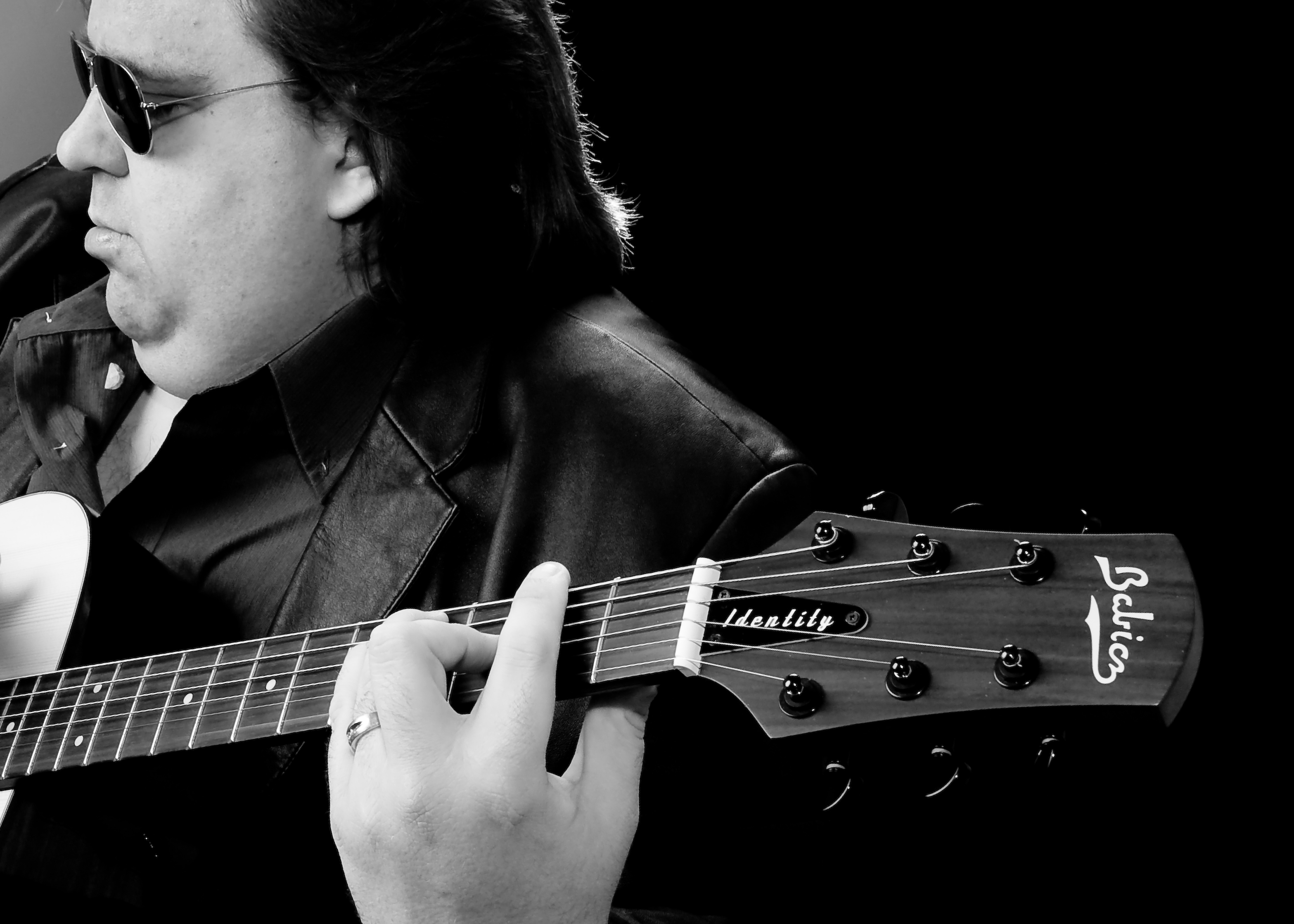
Macon Guitar Legend Joey Stuckey Receives Prestigious Award, Gains New Endorsers and Composes Radio Theme Song

For Immediate Release

Macon Guitar Legend Joey Stuckey Receives Prestigious Award, Gains New Endorsers and Composes Radio Theme Song

12/5/2011 – Macon, GA – Truly one of the hardest working people in the music industry, 2011 has been a landmark year for blind recording artist, engineer, producer and inspirational speaker Joey Stuckey. With the release of his latest acclaimed CD ‘The Shadow Sound’ in February of this year, Stuckey has been hitting the road performing and speaking all over the country – October alone saw Stuckey in Hawaii, Los Angeles and Nashville. However, October was a landmark month because Joey was honored by a non-profit organization in his hometown of Macon, Georgia where he serves as the official music ambassador. The organization “New Town Macon”, a non-profit tasked with revitalizing the downtown area of Macon, presented Joey with a special recognition award for his contribution to his community. Joey has been instrumental in shaping Macon’s musical landscape. Stuckey was also recognized for his active role in preparing for Macon’s future.

“I’m honored to be recognized for my efforts in promoting the music and history of Macon,” says Stuckey. “I look forward to being of service to my community for the rest of my life. I feel like this area, and Macon in particular, has as much musical talent as New York City or Los Angeles. We just have to find a way to make sure the rest of the world knows about it and come together as a community to ensure our musical economy continues to prosper!”

Stuckey’s father accepted the award on Joey’s behalf, from Greg Dent, a New Town Macon board member. Dent presented the award and said: “As Macon’s first official ‘Ambassador of Music’, Joey is a tireless and enthusiastic promoter of downtown, whose life work advances the city’s musical legacy. Joey’s business, Shadow Sound Studio on Third Street, brings musicians from around the globe to downtown Macon to record. Several of (Joey’s) own recordings have been nominated for Grammys. Joey is a band leader, educator, and promoter of civic activities who leads with a powerful and generous spirit. He has donated his time and talent to area schools and local organizations and recently provided a young boy in hospice care with his wish of recording in Joey’s studio. Anyone who knows Joey Stuckey knows that his enthusiasm and love of Macon never waivers.”

While October was a busy month with many exciting and amazing events for Stuckey, November has also been busy and a month of growth. First, Joey welcomes two new endorsers to the family. To enhance his studio and live performances and take his music production ability to the 23rd century, Joey has partnered with Misa Digital makers of the “Kitara”. “The Kitara is one of the most remarkable instruments to come out since the advent of the electric guitar,” says Stuckey.

This amazing MIDI controller gives guitarists new and innovative ways to make music both live and in the studio. For more information please visit http://www.misadigital.com, http://www.facebook.com/misadigital, twitter: misadigital, YouTube: http://www.youtube.com/misadigital

To add even more reasons to come out to one of Joey’s live performances, Joey has partnered with Kazoobie Kazoos. “As the official ambassador of music for Macon, Georgia – the birthplace of the kazoo – I am thrilled to partner with Kazoobie Kazoos to provide a limited number of souvenir kazoos to be given away and used during the audience participation parts of my concerts and inspirational talks,” says Joey. “I am excited that my fans will have this unique souvenir and fun musical instrument which truly allows us to share the gift of music! As a blind musician, sound is the only thing that I care about and Kazoobie Kazoos are unparalleled in their tonality and quality construction.” For more information or to acquire your own Kazoobie Kazoo go to http://www.kazoos.com

Stuckey’s studio records theme song for Talent Watch Radio: “We are proud to be working with Talent Watch, the fastest growing source for new talent discovery on the internet! It’s like ‘American Idol’ but better – and a great way for talent bookers, record labels, management firms and artists to connect.” Joey Stuckey, recording engineer, producer and owner of Shadow Sound Studio, was hired to compose and record the Talent Watch theme song being used to audio brand the Talent Watch radio show. Joey was also used to produce the most current episode of the radio show http://soundcloud.com/talent watch/talent watch-radio-show and train the staff of Talent Watch on producing future episodes of said show. Stuckey also has his voice heard in the intro of the show and the various promos for the show, both video and audio and throughout the program between songs branding the show.

Says Hugh Hession, Talent Watch radio host and partner of TalentWatch.net, “Talent Watch Radio decided to record and produce our latest show at Shadow Sound Studio with owner Joey Stuckey. We chose Shadow Sound because of Joey’s reputation of being a results-oriented engineer and producer. He understood our vision and was able to transform that into the caliber of show we desired. Talent Watch highly recommends Joey to anyone who wishes to up their game.” To check out Talent Watch and what it has to offer to both artists and industry pros alike visit: http://www.talentwatch.net

For more information: http://www.JoeyStuckey.com

Press Inquiries: Glass Onyon PR, PH: 828-350-8158, glassonyonpr@cs.com


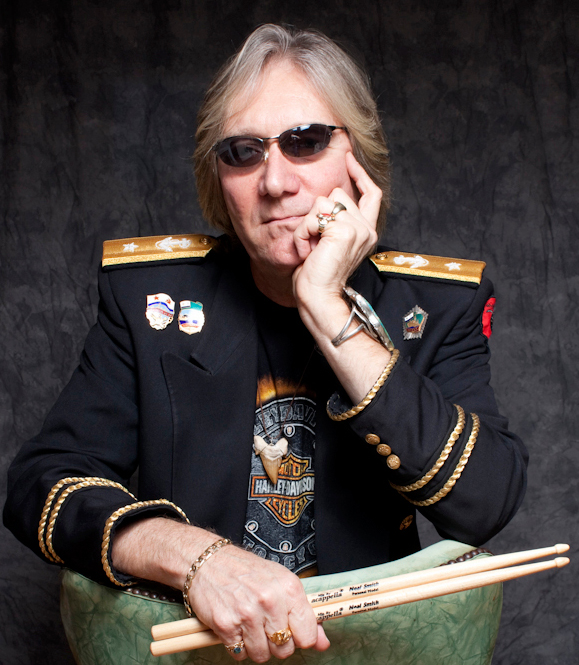
Hall of Fame Theatrical Rock Icon Neal Smith

By Al Carlos Hernandez on November 28, 2011

HOLLYWOOD (Herald de Paris) — Neal Smith is a Rock and Roll Hall of Fame drummer and the co-founder for the rock group Alice Cooper from 1967 to 1974. http://www.nealsmithrocks.com

He performed on the group’s early albums Pretties For You and Easy Action, the breakout album Love It to Death and the subsequent successful albums Killer, School’s Out, and Billion Dollar Babies. His last album with Alice Cooper was Muscle of Love. When asked by Herald De Paris, “How did you meet Alice Cooper?” Neal Smith replied, “I never met Alice Cooper, but Glen Buxton, Dennis Dunaway, Michael Bruce, Vincent Furnier and I created Alice Cooper.”

Smith graduated from Camelback High School in Phoenix, Arizona while the rest of his band mates graduated from Cortez High School. Smith talks about his high school in the song “Alma Mater” sung by Alice Cooper. Neal Smith’s drum part on the title track (the number-one-album in the US and UK) Billion Dollar Babies, is considered one of the most original and dynamic drum pieces amongst musicians during that era.

Billion Dollar Babies was also the name of the band founded by former Alice Cooper group musicians Michael Bruce, Dennis Dunaway and Neal Smith, along with Bob Dolin and Mike Marconi after Alice Cooper split the band in 1974.

Smith has been selling real estate in New England since the early 1980’s. He is still an active musician and has performed with Alice Cooper during a show in 1998. In 1999, he released his first solo album, Platinum God, recorded in 1975. He is also currently the drummer/percussionist and songwriter for Bouchard, Dunaway & Smith (BDS), composed of Smith, former Blue Öyster Cult bassist, Joe Bouchard, and original Alice Cooper bassist,Dennis Dunaway. The band has co-written songs with Ian Hunter. BDS has released two albums: 2001’s Back From Hell and 2003’s BDS Live In Paris. Smith has also released two albums under the group name Cinematik, with guitarist Robert Mitchell and bassist Peter Catucci, produced by Rob Fraboni. Cinematik has a loose, jam-laden world-beat sound, as opposed to BDS’s more classic-rock sound.

Smith has also recorded with Buck Dharma of Blue Öyster Cult (Flat Out, 1982), Plasmatics(Beyond The Valley of 1984, 1984), and Deadringer (Electrocuxion of the Heart, 1989). Neal played on Bruce Cameron’s CD Midnight Daydream along with an all-star cast consisting ofJack Bruce, Buddy Miles, Billy Cox, Mitch Mitchell, Harvey Dalton Arnold and Ken Hensley.

Neal Smith also has an industrial rock project Killsmith.[1] Killsmith’s sophomore release is underway and this makes Smith the first member of the original Alice Cooper Group to have a project of original material released after the group’s induction to the Rock ‘n’ Roll Hall of Fame.

Neal Smith plays on three songs on Alice Cooper’s 2011 album Welcome 2 My Nightmare.

Back in July 2010, when talking about the newly retitled album, Welcome 2 My Nightmare, Alice said (in a Radio Metal interview): “We’ll put some of the original people on it and add some new people. I’m very happy with working with Bob (Ezrin) again.” Names mentioned so far are Slash, Neal Smith, Dennis Dunaway, Steven Hunter and Dick Wagner. Dunaway and Smith have already written two songs.

Herald de Paris Deputy Managing Editor, Dr. Al Carlos Hernandez, was honored to converse with the master metal drummer:

AC: Do you have an exact memory of when you decided to become a drummer?

Neal: Yes, when I was in elementary school I sucked on the trombone and I hated it. I started banging on pots and pans with wooden spoons on my kitchen floor and I was hooked. I borrowed a snare drum from my cousin and took two years to learn to play it.

AC: What kind of early musical influences did you have?

Neal: I was hugely influenced by the rock n’ roll of the 50’s and early 60’s – drummers like Gene Krupa, Sandy Nelson, and Dennis Wilson of The Beach Boys.

AC: When did you decide to become a rock star and how did your family feel about your choice of vocation?

Neal: First of all, you don’t decide to become a rock star. However, if you’re very lucky and your fans make you successful, then, and only then, do you become a rock star! I lived with my mother in Phoenix, Arizona back then and I left home to pursue my music career. Although she loved music and was very supportive of my chosen career, she never liked my extremely long hair. When I bought her a house she didn’t seem to mind my long hair anymore. My father, who lives in Akron, Ohio, hated my music, hair and lifestyle. I never bought him a house.

AC: What was high school/junior college like for you and what was the music scene like in Phoenix where you grew up? Who was your drumming hero then?

Neal: High school and college was okay for me in Arizona. I was pretty popular, played in my high school rock band, and had lots of girlfriends. But I just wanted to get out of school so I could pursue my dream as a rock drummer. I was still a big fan of drummers like Gene Krupa, Sandy Nelson, and Dennis Wilson of The Beach Boys, but with the British Invasion there were a brand new crop of amazing drummers. Ringo Starr, Charlie Watts, Keith Moon, Ginger Bakerand Mitch Mitchell are at the top of a list of many fantastic English drummers.

AC: How did you meet Alice Cooper? What was your first impression?

Neal: I never met Alice Cooper, but Glen Buxton, Dennis Dunaway, Michael Bruce, Vincent Furnier and I created Alice Cooper! In 1966, when I started my second year at Glendale College in Arizona, I shared classes with three local musicians that were members of Phoenix’s most popular rock band called The Nazz. These three classmates were Glen Buxton, Dennis Dunaway and Vincent Furnier. I soon found out that Glen, like myself, was from Akron, Ohio and we became fast friends. As I got to know Dennis and Vincent, I thought that they were very talented artists as well as talented musicians. We all became friends for life that year.

AC: You went to SF while the rest of the guys went to LA. Why SF?

Neal: After college, in the summer of 1967, I was in a top Phoenix area band called the Holy Grail. Our music style was more rhythm & blues and acid rock; therefore we felt that we would fit into the San Francisco music scene better than the LA music scene.

AC: Where did you get the whole first outrageous, and then macabre, style from?

Neal: We became outrageous purely out of frustration. We were trying to get the whole world to notice us when no one gave a crap. We were all art majors and fans of old horror movies. We wanted to push the dark side of rock much farther than even the Doors, who was one of the first bands to have a very dark side lyrically. We added props to add emphasis to our songs. One thing led to another and then we started killing Alice every night on stage. All of a sudden it started working for us.

AC: Did the production come from the heavy metal music or did the music come from the macabre?

Neal: There was no such term as heavy metal music when we started making hit records in the late 60’s and early 70’s. We would refer to rock with powerful guitars like Hendrix, the Who, Blue Cheer, the MC5 or the Stooges as heavy rock or kill rock. Michael, Dennis or I would write the music, Alice would write the lyrics, and we’d all brainstorm so that our live macabre stage show would evolve from there.

AC: I am told that rock impresario Bill Graham hated you guys. He said if you guys make it, it will be the end of Flower Power. What did he mean? Was he a hater?

Neal: Bill created a monopoly when he successfully turned San Francisco’s Fillmore Auditorium into the hippest music venue in the US during the mid to late 1960’s. Through his efforts he also catapulted a barrage of Bay Area bands into national stardom. Almost more than anyone, he totally capitalized on the 60’s Flower Power – Peace & Love Generation. We,Alice Cooper, created a new rock experience for the generation of the 1970’s. In his mind we were threatening everything in the musical empire that he had created. By the time we were filling outdoor stadiums with our fans, his auditoriums were no longer what they once were. At our peak we still could not sell out a show in the Bay Area. I don’t know if he was a hater, but he sure hated us.

AC: I’m told that Bill was partial to Bay Area based bands to the exclusion of yours. Did it hurt the band?

Neal: Bill Graham loved Bay Area bands because that was his universe and he helped a lot of them become successful. We were from Phoenix but I don’t think that’s why he didn’t like us. Maybe he just didn’t like what we were, what we had created musically and image-wise, which totally was the opposite of his comfort zone. I can’t say for sure if that ever hurt us or not, but we were never able to break into his part of the country.

AC: Years later, SF based acts like Metallica owned the charts. Do they owe a debt to you?

Neal: I don’t think that they owe us a debt. If we inspired them then that’s cool, but it’s the same as the English bands that inspired us. Their inspiration was great but we don’t owe them anything except respect.

AC: I’m told that, as the Alice Cooper band, the whole band helped put together the band personae. What did you contribute?

Neal: Although everyone in our band’s image was evolving and moving in the same direction in ‘67 and ‘68, I wanted everything about my personal image to be bigger and better than anyone who came before me. I wanted more outrageous clothes, longer hair and a larger drum set with more drums than anyone had ever seen. I had Rolls Royces, the most expensive jewelry – the best was never good enough for me – spare no expense and so on! Along with Glen, Dennis, Michael and Alice, I was 100% into the violence and theatrics that we were all brainstorming and creating on a daily basis. I always have a blast playing my drums, but I loved when I got off of my drums and became part of the show, like in the fight scene in our School’s Out Tour.

AC: You are considered one of the best rock drummers ever, particularly in Europe. How does that make you feel?

Neal: It makes me feel lucky that I was able to play with four guys who knew no boundaries. When it came to creativity, the sky was the limit for me writing my drum parts. I’m also lucky that I worked with legendary producer Bob Ezrin, making my drums sound great on our records.

AC: Wasn’t the name “Alice” a gender-bender-type trip? What was the reaction?

Neal: That’s the exact reason the five of us chose Alice Cooper for the name of our band. And the reaction was just what we anticipated it would be. People were expecting a blond female folk singer to appear on stage – instead they got five crazy lunatics from Phoenix with extremely loud music, shiny silver clothes, a blinding flashing light show, smoke bombs, feathers and blasting air from a CO2 tank. The fans either loved us or hated us!

AC: There is a rock story/legend that claims you would call up Keith Moon (from the Who) and other rock star drummers and compare equipment. Is that true, and if so, who else did you call?

Neal: No, that story about Keith Moon is not true at all. It is a very good story, but that’s all it is. I’m Neal Smith. Why would I even give a crap about anyone else’s drum equipment except my own? I had the largest set of drums in the world at the time, end of story. No one else’s drum set came close to mine and I knew it! I did call Pete Townshend of the Who once to ask him if he would produce Platinum God, my 1975 solo album.

AC: School’s Out is a monster hit that is still played all over the world. How did the tune come about and how did you feel every time you played it?

Neal: The song came about when we were brainstorming a new concept for our fifth album, the follow up to Killer, our first platinum album. We wanted something with gang related violence, inspired by a mix between West Side Story and A Clockwork Orange. Something commercial to celebrate that last day of the school year – and also 100% explosive and dangerous, vintage Alice Cooper Band. My contribution was the bolero tom-tom beat on the School’s Out chorus. When I play the song I feel great, just like I do when I play any of our classic songs!

AC: Is the same is true for No More Mr. Nice Guy? Was the song about Alice or just folks in general?

Neal: Michael Bruce came up with the music and original concept for the song. We always wrote songs about ourselves for the most part, and No More Mr. Nice Guy is no exception.

AC: Are you still friends with Alice and the guys from the original band?

Neal: I am and will always be close friends with everyone in the band, Alice. Dennis, Michaeland Glen R.I.P. We have a special bond that has a long history that goes back to the mid 1960’s.

AC: The best Alice Cooper Group gig ever?

Neal: We had many great shows, but in my opinion our best gig ever was the ‘74 show in Sao Paulo Brazil. We headlined and drew, conservatively, 125,000 fans, although there were estimates of well over that amount. We held the record for ‘concert attendance at an indoor venue’ in the Guinness Book of World Records for decades after that.

AC: Worst Alice Cooper Group gig ever?

Neal: Our last concert in Rio de Janeiro in the spring of ‘74.

AC: Didn’t you yell at the members of Kiss for setting up behind your drum set up once?

Neal: Yes I did. I yelled at Gene Simmons when he told me that he and the other original members of Kiss sat behind my drums when we played at the Fillmore East in New York, but I was only joking – sort of.

AC: Biggest regret musically?

Neal: My biggest regret is that the band broke up in ‘75, stopping our amazing flow of songs; songs that were changing the music of the 70’s generation.

AC: Biggest success musically and who have you inspired?

Neal: My biggest success was when our album Billion Dollar Babies, went to #1 in all three US music trade magazines, at the same time, in April of 1973. #1 in Billboard, #1 in Record World and #1 in Cash Box. We had already collected gold and platinum albums for selling millions of records, but this was something only a few artists in history have achieved and it was totally unexpected. Plus the tour was the largest grossing tour in rock history up to that time. I think we inspired bands like Kiss, The Plasmatics, Merlyn Manson, Slip Knot and many, many more.

AC: How does it feel to be a member of the Rock and Roll Hall of Fame?

Neal: I am happiest for the fans of the original Alice Cooper Band. As I said in my acceptance speech, our induction into the Hall Of Fame was all about them and because of them. Without our faithful fans around the world, that night would never have happened. At the pinnacle of our success, the only awards we ever received (or cared about) were in the shape of gold and platinum albums – and that was only because of our fans. Even the established music business if the 70’s shunned the Alice Cooper Band and never considered us for Grammys, or any of the other music awards at the time. Living on the fringe of acceptability has always been the norm for me. Now I’ve been asked to become legitimate in the music world and that’s a roll I’m very uncomfortable with. My solo project called KillSmith keeps me on the fringe and in my comfort zone. But the party at the Waldorf Astoria in New York City was f’ing awesome; I went to bed just before the sun came up over New York City. I wished Glen Buxton was still alive to enjoy the honor and the killer party. He would have loved it to death!

AC: Which bands should be inducted but have been overlooked? Do you think the selection process is political?

Neal: We were the only overlooked band that I really cared about – overlooked for way too long. I think there are bands that got into the Hall Of Fame that don’t belong there while we were being passed over. Of course it’s political – everything in society is political – you can’t avoid that. Cheap Trick should definitely be in the hall!

AC: Do you thing Merlyn Manson, Kiss and other bands ripped you off? Or do you feel that what they did has paid homage to Alice because you were the ones doing it first.

Neal: Music and bands are constantly evolving from one generation to the next. We, the Alice Cooper Band, evolved from the British music invasion of the 60’s spearheaded by The Beatles. Being inspired by movies and television, as well as British rock, we started what eventually would be called Glitter, Shock or Theatrical Rock. Bands like Kiss, The Plasmatics, Merlyn Manson, Slip Knot, etc. that followed us, just crafted their look and sound a little differently. If we inspired bands, I wouldn’t consider that they ripped us off at all, but that their success is a homage and testimonial following the trail that we blazed before them.

AC: When did you decide to quit the rock star life and get out of the game?

Neal: Well, I never decided to quit the rock star life. No one in their right mind would just decide, out of the blue, to stop making all of that money! After we played in South America in the spring of 1974 we all agreed to take a year off so that Michael Bruce could record a solo album. Glen, Dennis, Alice and I all agreed to that. We also unanimously agreed that we would reunite one year later to record our next Alice Cooper Group album.

Unknown to us, Alice was recording a solo album of his own during that time off. With the success of Welcome to My Nightmare, his first solo album and tour, when it came time for us to reunite, Alice changed his mind and declined. He just decided not to get back with the band to record what would have been our ninth Alice Cooper Group album. All other accounts of our bands breakup are completely false!

AC: How is it that you and your wife became real estate executives?

Neal: First of all, I don’t have a wife – that’s a whole other story. I had a wife once but that didn’t work out too well. I do have a significant other; she and I are both Realtors®. I have been a licensed Realtor® in the state of Connecticut, listing and selling residential real estate, since 1985. After the band’s success I started investing in real estate, buying and selling homes around 1971. I was also involved in several Alice Cooper Group real estate investments in the early to mid 70’s. The combination of those things sparked my interest in real estate as a profession.

AC: Any parallel between rock life and real estate life?

Neal: Not really, except they are both very competitive and very difficult professions. You must always be on your game for both.

AC: Tell us all about your latest solo musical project: ‘KillSmith?’

Neal: I have written twelve brand new songs: 2000 Miles from Detroit, Suicide Highway, Cemetery of The Damned (23), Evil Voodoo Moon, Death By The Numbers, Crimes Of High Passion,Legend Of Viper Company, Die For The Night, Strip Down, Kiss My Rock, Anything, Squeeze Like A Python. (available at http://www.nealsmithrocks.com or http://www.cdbaby.com )

I think it’s the best writing I’ve ever done with industrial strength music. The fourth song on theK$2 CD is called Evil Voodoo Moon. It is the song that’s the mother of Alice’s latest single called I’ll Bite Your Face Off, featured on his great new CD Welcome 2 My Nightmare. One of the main goals I had in mind while writing K$2 was to keep my lyrics radio-friendly this time. My colorful vocabulary could make a drunken sailor blush. So I took it back a few notches for airplay, something I didn’t do on my first KillSmith CD, Sexual Savior, when I just let all hell break loose.

AC: If everything worked out 100%, what would be your highest expectation?

Neal: To have a hit record go to #1 on the Billboards charts and supported by a world tour. Just like I have in the past!

AC: What about touring again?

Neal: Along with band members Peter Catucci, Kevin Franklin, Doug Walberg, we are currently in rehearsals working on a new KillSmith show right now. Any future show dates will be announced on my web site: http://www.nealsmithrocks.com .

AC: Looking back on your life, would you have done anything differently?

Neal: I would have done three things differently: never gotten married, never gotten married and lastly I’d never have gotten married!

AC: How would you like history to remember you?

Neal: As one of the five founding members of the groundbreaking, show stopping band called Alice Cooper that changed the look and sound of Rock forever! And as a drummer/percussionist, when called upon, I could come up with some very innovative and creatively cool kick ass drum parts!

Edited by Susan Aceves

Source
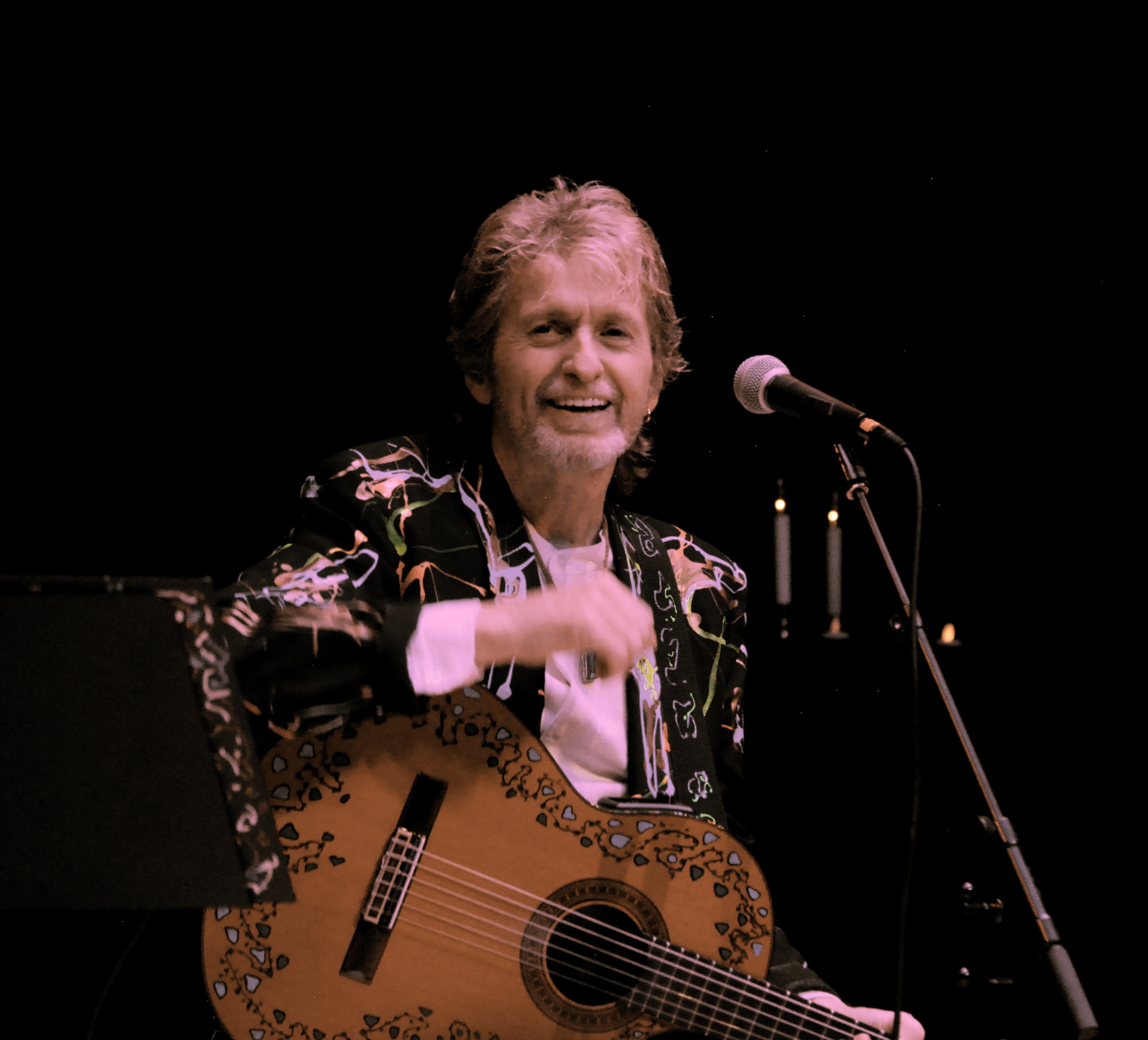

Jon Anderson interview

Interview:

1. Jon, thank you very much for taking your time to make an interview with It’s Psychedelic Baby Magazine. You are just back from the road, performing with Rick Wakeman. How was the tour, did it meet your expectations?

The tour was wonderful on many levels, great audience, the music sounded good, and Rick is a joy to be with…and we did Awaken..

2. I would like to talk about your two latest albums. In 2010 you released Survival & Other Stories. Can you tell me a few words about the concept behind the album?

All the songs came from working with people around the world via the internet, I asked these musicians to send me new music that I could write melodies and lyrics over, I have lots of new friends via the interenet, it is a wonderful new modern way to make music..

3. On October 25 you released an epic musical work entitled “OPEN.” A return to the long-form composition that you have been working on. This is in a way- a return to a “Yes” sound, isn’t it?

It is in my D&A to write this kind of music , I always enjoy this kind of musical creation, I used to do this in Yes…

4. Can we expect your involvement in any other project similar to “OPEN”, in the future?

I’m working on the next ‘opus’ now, I love the idea of music without time…

5. As we all know you got back together with Rick in 2010 to record The Living Tree album, which is really amazing. How did you and Rick get back together to record this album? Did you have any similar ideas, that resulted as the Living Tree album?

We wrote these songs again via the Internet, it is as though we are on the same wave length, and we are on the same planet, so why not use the internet…as a studio…

6. Do you have any future plans regarding touring and album making? Can we expect another album with both of you?

We are started writing in the new year, we have a lot of new ideas to work on, and we enjoy each others music…so a new album should be coming…

7. If we go back in the 70’s. I’m sure you experienced many interesting things. Would you like to share some stories from the “Yes years” with It’s Psychedelic Baby Magazine readers?

Most of all was the willingness of our fans to follow us on musical journeys that had nothing to do with Radio, or Charts, or being popular in the ‘big sense’…

8. Let’s go a bit to the start of your career. Your first band was called The Electric Warriors and you released two singles for Decca. How do you remember those days with The Warriors, Jon?

It was a crazy dream to be in music, to be in a band, and travel all around Europe, playing long long shows in tiny smoky clubs, funny times, beautiful moments through the 60’s, peace signs, drinking too much, waiting for the next Beatle song to be released….such amazing music in the 60’s…

9. Later you also appeared with a band called Gun (I made an interview with Paul Gurvitz about it) and The Open Mind. Were you part of the 1969 album, that Open Mind released? In my humble opinion that’s a psychedelic masterpiece…

No… they had fired me from the band, before that album, I got the band a gig with the Who at the Marquee club , I said we would play for free, but the brothers didn’t like me for doing that…I just wanted the exposure for the Gun…but they wanted money, so the fired me…la la la

10. Mabel Greer’s Toyshop was another band known for having three future Yes members. How did the band transformed into later know Yes?

I joined a rehearsal of Chris’s band at that time , but 2 people left the first week to join other bands, so I suggested we find new people and find a shorter name…so we became YES

11. Jon, I’d like to thank you once again for taking the time and effort to answer my questions. Would you care to send a message to all of your fans and readers of It’s Psychedelic Baby Magazine?

Music is for good, Music is for having fun, Music is for life, Music is not just to make money…Jon

http://jonanderson.com/index.html

Interview made by Klemen Breznikar / 2011
© Copyright http://psychedelicbaby.blogspot.com/ 2011

Source


Roine Stolt (The Flower Kings, Transatlantic) explains his passion & influences.

Gaining his first taste of prog fame with Swedish outfit Kaipa in 1974, Roine Stolt is best known today as the mastermind behind The Flower Kings and the lead guitarist for prog rock supergroup, Transatlantic. Recently, Roine completed the third album with Agents of Mercy, and I recently spoke with him about his projects and inspirations.

Agents of Mercy recently toured with District 97 and Sky Architect (two phenomenal bands, by the way). How did that come together and how did the tour go?

We played just 2 gigs with Sky Architect; one of them just happened to be in Canada at a festival and the other one was a gig in Holland, where I specifically asked to have them as our “support band” when we played with Agents Of Mercy. District 97 is a new American band I’ve followed since their debut, Hybrid Child. We did a short tour in the USA together last May and it all started with the idea of having them as a support act at a show we did in New England. After hooking up with Jonathan (their drummer), we both just tried to fill in with some more gigs and came up with a short tour together. We all have lots of fun; they are a talented bunch and have a great “front [wo]man” in Leslie Hunt.
Advertisement

How did the Agents of Mercy project come together?

It all started when I did The Fading Ghosts Of Twilight and invited Nad Sylvan to sing. That’s the axis upon what AoM as a band spins today. Jonas Reingold was already on the 1st album and after we did a joint venture tour with his Karmakanic band in 2009, Lalle Larsson came in as a keyboardist. In turn, he brought in his friend and drummer Walle Wahlgren just in time for our 2nd album recording, Dramarama, in spring of 2010. So when we got together to record the 2nd album, we all felt that the chemistry was right and that we enjoyed to play together, as well as have talks about music, life and philosophy. We had many good laughs together, and if a band can laugh, it has a good chance to stay together. All of them are very genuine musicians.

This is your third album with them. How does this one differ from the previous two? I’ve read that it began with the intention of having a low key, acoustic style.

No, it was in fact the first album that “began as a low key acoustic project”; this new album was very much planned as a full-on symphonic rock album from the get go. It felt we should strike while the iron was hot so we decided to work on what became The Black Forest, a slightly more heavy and dark album. It is both a harder rockin’ album and also more symphonic; we’ve included more classical influences and dramatic sounds from pipe organ and choirs. I was thinking in terms of a classic Alfred Hitchcock movie, like black & white movie and lots of shadows to create more drama. We live in a time of uncertainty; there are all sorts of threats lurking out there. This beautiful blue planet is also a scary place where we see wars, greed, famine, incurable deceases, and religious, environmental, and economical turbulence reign the world. We tried to write timeless stories with a cinematic quality. There are good bits of both The Lord of the Rings and more modern Tim Burton style surrealism. With the history of The Flower Kings, in my case, it felt refreshing to write music that had a bit of a darker edge and more melodrama.

How would you say the music of AOM differs from your other projects (Flower Kings, Transatlantic, etc)?

As we stand now, I’d say it is probably just a bit darker and more dramatic; with a different lead singer, it will no doubt sound different, but all the other players leave their mark, too. The Flower Kings has a more upbeat, positive feel, and Transatlantic is the sum of the 4 of us (so obviously it sounds different too).

I noticed that you barely sing on the album. While I think Nad does a fine job and helps give the project its own identity, I wonder why you decided to sing less here. Can you discuss why?

Well, that’s partly because I felt it should not be too much of a similarity to The Flower Kings sound. Also, I enjoy just playing guitar on stage and letting another frontman handle most of the lead vocals. Nad is an interesting frontman and a natural; he really enjoys being there in the centre and being a bit flamboyant and theatrical.

The Flower Kings have a new live album coming out soon (albeit with material from several years ago), but besides that, the last studio album came out in 2007. Do you still consider The Flower Kings to be your main band? Will there be a new studio album in the near future?

Well, in fact, the live album Tour Kaputt was released June this year, and it was a live recording from our 2007 tour where we had Pat Mastelotto as guest drummer. I do not know what my “main band” is; I guess many people regard me as the “Flower Kings” guy, but I feel equally at home in Transatlantic and Agents Of Mercy. It’s all fun and all important to me. As for a new Flower Kings album, I can give no info yet – but I won’t deny that there may be activity in 2012.

The Flower Kings, at least to me, have a slightly more eccentric, silly, fun, and experimental sound compared to other prog bands of the time (such as Spock’s Beard and Echolyn). Do you agree and can you discuss why?

Oh yes, I suppose The Flower Kings is part symphonic rock band, part jam band, [and] part psychedelic pop band. We never restricted ourselves to being just a prog band and who knows—maybe that also stopped us from being hugely successful (people rather like to know exactly what to expect). I liked the way bands like The Beatles and Frank Zappa’s Mothers… were kind of free of musical limits; they just played whatever they liked and that was a thrilling concept for all of us who followed them.

How do you view the legacy of The Flower Kings in the history of the genre overall, as well as part of the 1990s resurgence of prog?

The Flower Kings was lucky to emerge in a time when the 3rd wave of prog was new, and we, together with bands like Spock’s Beard and Porcupine Tree, were in the forefront. [We] became a raw model for many bands to come. The Flower Kings defined the orchestrated progressive symphonic rock sound (something many younger bands have adopted), and this [sound] can even be heard on later Neal Morse and Spock’s Beard records.

What made you decide to become a prog artist?

I never decided to be “prog” – I just happened to write music that sounded like “prog.” In fact, that’s how it all started for me in 1974 when I joined Kaipa, my first band. The good thing about prog is that there is so much freedom of expression in writing and playing; there are no real rules. The prog scene has treated me well and I’ve had success, so that’s probably why I’ve stayed true to this genre. I’ve made so many friends among other bands and musicians (people who I respect and admire).

I recently saw the More Never Is Enough DVD, and it seems like you guys still perform with a lot of joy, freedom, and spontaneity. At this point in your career, do you still get a lot of pleasure out of performing or does it feel like a job?

It never feels like a job; in fact, I think it’s more fun to play these days than it was 20 years ago. [The] Transatlantic tour was a tremendously fun experience; it’s fantastic band chemistry and something I will look forward to every time. With Agents of Mercy, it is always fun, and we enjoy each other’s company both on stage and off stage. We have lots of laughing and tour insanity, but all the musicians are extremely focused and professional at what they do.

Any news on a fourth studio album with Transatlantic?

I cannot reveal any news yet.

Do you have a favorite Flower Kings album? How about a favorite album out of all the ones you’ve released (under any group name)?

My favourite albums are: The Flower Kings – Stardust We Are and Unfold the Future; Transatlantic – The Whirlwind; Agents of Mercy – The Black Forest.

Any plans to work with The Tangent again?

No plans at the moment, but I’d never say never. We’re still on friendly terms.

You’ve work with Jonas Reingold in several projects over the years. How did you two meet and what makes you want to work together so often?

Jonas was brought in to TFK as a bass player by our drummer at the time, Jaime Salazar, in 1999. Jonas is very easy to work with and we fill in each others blanks. He is someone you can always trust; he is the guy with the education, and he is sometimes clinical in his approach; I’m the uneducated one so I truth [other’s] intuition and feelings when making music.

What’s next for Roine Stolt in 2011/2012?

Right now I’m writing music for 2 different projects, and I’m looking forward to a few more interesting projects for 2012.

What are some of your favorite albums? Which influenced you the most?

Over the years, I remember being influenced by The Beatles’ [The Beatles] “White Album,” Procol Harum’s Shine Of Brightly, Yes’ Tales From Topographic Oceans, Genesis’ The Lamb Lies Down On Broadway, Joni Mitchell’s Travelogue,Vangelis’ Mythodea, Burt Bacharach & Elvis Costello’s Painted From Memory, U2’s How to Dismantle an Atomic Bomb, etc.

What are some of your favorite songs to play live? Why?

“The Whirlwind” by Transatlantic, “The Truth will Set You Free” by The Flower Kings, “Korståg” by Kaipa, “Stardust We Are” by The Flower Kings, and “The Black Forest” by Agents Of Mercy.

If you could record/perform with any artist(s), who would it be?

Paul McCartney, Joni Mitchell, Jon Anderson, Jackson Browne, Bono, and Jeff Beck.

Thanks for taking the time to speak with me, Roine.

Source


Jon Anderson still says Yes to touring

MONTREAL – Jon Anderson can never not create.

The former frontman for archetypal 1970s progressive rock band Yes, prolific solo artist and collaborator, survivor of a near-fatal illness, painter, spiritualist, and Lancashire working-class boy-turned-California dreamer, he’s currently out with former Yes keyboardist Rick Wakeman on a tour that brings the pair to Théâtre St. Denis on Saturday.

Yes songs will be played. Enduring Yes fans in this most resilient of prog-rock cities will be transported Close to the Edge, or thereabouts.

Despite having performed in Albany, N.Y., the night before, Anderson is on the phone at 10 a.m., bright-eyed and eager to talk about what’s on his plate right now. In the earliest going of the conversation, one enduring mystery is cleared up. Anderson’s singing voice is high enough to flush bats from a cave. His speaking voice is high. The two are a natural fit. Well, that’s one vexing question forever laid to rest.

Another is his most recent creation, the 21-minute musical work called Open, released as a digital download in late October. Legions of Yes men and several women will recall in its complex melodic and harmonic themes, classical framework and fairies-at-the-bottom-of-the-garden lyrics, the halcyon days of Yes. In those golden times there were the hits like Owner of a Lonely Heart, and an astonishing 18 album catalogue, beginning with the self-titled 1970 debut and including Close to the Edge in 1972, and Tales from Topographic Oceans one year later.

Despite band squabbles, defections, unfortunate lawyers’ fees and assorted creative differences, Yes albums continued until 2001 and may yet appear again. Unlike some people, and most rock critics, Anderson loves the old tunes and believes the 1970s were a wonderful time, allowing Yes and others like them to create music that would never find a home on mainstream radio today.

“Music is about magic. It’s not about money, it’s about creation.” says the affable lad from Northern England who now calls California home, and America his adopted country, citizenship and all.

“But when it’s all boiled down, (the music industry) has become such a factory, and that takes away from the potential for creation. TV shows like American Idol are dispiriting. There’s some real talent on display, but the format and the material discourage any originality. But it makes for good TV, I suppose. That’s life.”

Anderson in his more recent incarnations will never be accused of chasing the almighty dollar. He has embraced the Internet where so many of his analog-age cohorts fought it. Indeed, work like Open – begun when strumming his 19th-century guitar one day last year led to “songs pouring out of me for a week” – involved collaborations with musicians from the far-flung corners of the globe, all interacting over a digital platform.

It follows Survival & Other Stories, a solo album featuring similar Internet collaborations released in 2010, on the very day the germ of an idea for Open sprouted.

“I nearly died in 2008, twice,” he says by way of explaining the inspiration for Survival, Open and the drive to continue playing live. “It began as an asthma attack (the diminutive Anderson has always had a frail constitution) that led to respiratory failure and six operations. It was pretty bad. Hospitals are tough to hang around in. But the body is an engine – a soft machine to use the old term. When it breaks down it needs to be fixed. My amazing wife, Jane, kept me going. I survived and came out the other end twice as strong.”

One end result is Open, “a song about compassion. Your spirit has to hang tough in those situations, and let the divine guide you.”

Anderson has been on something of a tear ever since his close brush with the man who always knows the time. He toured Europe in 2009 as a solo act, and did the same in Canada and the U.S. the next year. He and Wakeman returned to the U.K. as a duo in 2010, and he sang Owner of a Lonely Heart with the Youth Orchestras of San Antonio Philharmonic in Texas.

“We’re out now, but will take a break for the holidays. There’s some talk about a peace concert on Christmas Day in Israel. Then there’s Mexico and South America in the new year. I’m enjoying playing concerts more than ever. I’m very interested in working with orchestras, especially youth orchestras. Their energy, enthusiasm and curiosity is inspiring.

“And there’s working with Rick, from all those years ago. He’s such a joy, and recreating those large-scale pieces from the ’70s remains a fascination. We got hammered by critics for them, but audiences stuck with us.

“Now I look out at the crowd and I see old fans, but I also see young faces. They must have been brainwashed with the music by their parents! And they’re all inspired by what we created. For some reason, I’m very creative. I’m dedicated to creating long-form pieces. It’s what I do. It’s who I am.”

Jon Anderson and Rick Wakeman play at Théâtre St. Denis Saturday night. Tickets are $53.50 to $72 and are available via Ticketpro at (514) 790-1111 or http://www.ticketpro.ca

johngriffin@bell.net

Source


Jon Anderson of Yes stronger than ever

Jon Anderson of Yes stronger than ever
BMS chats with former Yes singer ahead of his show in Worcester
Jennifer Carney, Contributing Writer

It’s not so much that Jon Anderson is the voice of Yes. Or that he is a prolific songwriter. Or that he wrote some of the most iconic and esoteric music of the last 40 years. He’s too focused on music as he sees it now, through whatever lens is handy. This time, that lens is a stripped-down acoustic collaboration between Anderson and long-time, iconoclastic Yes keyboardist, Rick Wakeman. They will be mixing Yes classics, music from various solo projects, and songs off of their new collaboration, The Living Tree, this Tuesday at the Hanover Theatre in Worcester.

“People love the show,” Anderson tells Boston Music Spotlight from the road. “We put on a very entertaining show doing songs from Yes and songs from the new album, The Living Tree. Rick likes to tell jokes, and people just love the show. Obviously there’s one or two classic Yes songs that they go crazy about, but they’re responding very well to the new songs.

“I sing ‘Roundabout’ and it’s a lot of fun. I sing ‘Starship Trooper’ because I love singing it. I just love singing the songs, or I wouldn’t sing them. With Wakeman, I enjoy his accompaniment and with the new [and old] songs.”

While Anderson and Wakeman are on the road, Yes is touring Europe without them, touring and recording with a new frontman, tribute singer Benoit David. When asked how he feels about the band’s decision to go on without the “voice of Yes”, Anderson is candid.

“Life moves on, you know? You’ve got to get on with your career,” he says. “I’m very connected to the music that I love. I wrote all the songs for Yes, and I still sing them like when I first wrote them – sort of stripped-down, acoustic versions – and people [on this tour] just love listening; they sing along to everything, so that works for me.”

Anderson recently recorded a collaborative album with musicians from all over the world, Survival & Other Stories, and his most recent composition, Open, marks a return to the long-form songwriting for which he has been known for over forty years.

“It’s my nature to write music, whether it’s two-minute, seven-minute, ten-minute or twenty-minute song. I was always pushing the direction of the music towards the larger pieces because I think music isn’t just making ‘radio music’ or making money. Music is a very powerful energy, and you should go on a journey of music with great symphonies and long-form pieces because it takes you on a journey. I learned that many years ago, so I still carry that on with Open. Part of my DNA is to create long-form pieces so people could sit back and relax for twenty minutes and listen to something that takes them on an adventure musically.”

Playing in Massachusetts brings back especially fond memories for Anderson. When most Bostonians think of the old Garden, they think of obstructed views, uneven parquet flooring and sweltering rafter seats. Not Jon Anderson.

“The original Boston Garden was the best rock and roll arena in the world,” he proclaims. “It just had that sound because it was made of wood and whatever and the energy there was always amazing. But the sound in that room was unbelievable from the band’s point of view.”

Fans headed to the Hanover Theatre on Tuesday night can expect an intimate show – almost recital-like – from two prog-rock legends who have spent over forty years perfecting every note. As Anderson sees it, these performances with Rick Wakeman are all about the love of music and the love of a songbook that now spans generations.

“A good performance is to project how I am today, not how I was thirty years ago. I’m 67 now, and I’m still enjoying singing my songs, so that’s why I tour.”

Jon Anderson and Rick Wakeman of Yes will perform at the Hanover Theatre in Worcester, Massachusetts on Tuesday, November 8. Tickets for the show, which range in price from $45 to $65, are now on sale through the venue’s website and box office.

Source


Interview with Jon Anderson: Opening Up

Interview with Jon Anderson: Opening Up

—by Andrew Magnotta, November 2, 2011

There may be no band more important to the development of modern, virtuosic progressive music than Yes. And, to that end, there is no person more important to the development of that band than their legendary (now former) singer and visionary Jon Anderson.

After being kicked to the curb in 2008 by his longtime bandmates when health issues prevented him from touring, Anderson has since recovered and he’s continuing to be creative; he released two albums last year, one as a solo artist and one with keyboardist Rick Wakeman, and he’s got much more on the way. At the age of 67, he is back on the road with Wakeman, his longtime friend, playing an assortment of songs old and new for fans all over the world.

The duo’s shows are intimate affairs buoyed in Anderson’s idealistic musings and anchored by Wakeman’s crude quips, which frequently befuddle the singer’s romantic monologues to the audience’s amusement. The dichotomy between the soft-spoken Anderson and the boorish Wakeman is drastic but, at the same time, telling of their decades-long friendship.

Anderson took some time to discuss his split with Yes, his creative revitalization and his partnership with Wakeman.

What’s gotten you back into the studio doing albums these past couple of years?

It’s been probably about nine years since I put something out. Maybe 10 years. You know, for a period I wasn’t that excited about touring a lot with the band Yes. I like working with other musicians. It’s like opening Pandora’s box; there are so many talented people out there who are really into creation at the moment.

Do you find that in both music and visual arts?

Yeah, everything. I just feel very convinced that the best work is yet to come because, in some ways, what’s the point of carrying on if you say, “Oh, my albums in the ‘70s were the best ones?” No, I always think the next things I’m doing are as equally exciting and adventurous.

Survival And Other Stories definitely has a very different vibe than anything I’ve heard from Yes.

Yeah. Just creating with other people, mostly people I’ve never met. Well, you meet them for a couple days when you’re on tour, but we work with each other via Skype and sending music by the internet, and you finish it working with people from all over the world. I have many projects. At the moment, I probably have eight different projects running at the same time, slowly, slowly in creation. And then when you get a lot of songs together, you think it’s okay to release an album.

Right now I’m finishing a mix of a 21-minute piece of music that’s very much in the classic, Yes style. You know, something that I was very involved in within the band. So I’m releasing that on my birthday, Oct. 25. I’m finishing the mix now, it sounds pretty amazing to me.

So that will be released under your name?

Yeah, it’s called “Open.“ I’ve had it orchestrated by a friend who lives just five miles away, Stefan Podell, and he’s done an amazing orchestration. We’re just mixing it today and tomorrow. It’ll be finished and we’ll get it onto Amazon and iTunes; just a downloadable piece of music.

Wow, it’s great to hear that from you personally.

Yeah, I’m very excited. I’m going on tour with Rick Wakeman, doing a nice one-month tour. That’ll be a lot of fun because me and Rick have a good time. It’s just the two of us onstage.

Next year, I’ll probably work with some ensembles and bands. I’m not quite sure how it’s all going to pan out. I’m hoping to keep up the adventure next year and the year after, of course.

Have you played shows with just Rick before?

Yeah, we did a U.K. tour last year and one about five years ago. It’s a very great time. It’s interesting to play the Yes music and our new music that we write together. We have an album out this year called The Living Tree. So, we perform some of that and some of the Yes songs like “Awaken,” as well as the Paul Simon song “America,” which Yes used to do. I love that song.

It’s interesting when you play together, just two of you in concert. It feels as though all the music we do on the show is so new. It’s like it was written a couple of months ago for some reason.

Why do you think it feels that way?

It’s just because we’re playing it differently from the recordings. We’re just playing them as songs, really. Music is timeless, anyway.

How do you approach rearranging those Yes songs?

I just play them as I wrote them. Very simple. I do a one man show [as well]. I go out there and sing all the very famous Yes songs exactly the way I originally wrote them, and it works onstage. People love it and I enjoy it. I just love being able to do that.

Were you anxious when you first started doing those solo shows?

I was in panic mode. I think the first tour that I did, actually, I had midi guitars so I had the songs sort of playing along with me as I [sang]. It felt very comfortable. And then, as it would happen, I was in Turkey and the airline misplaced all my equipment. So I [got to the next show] in Sweden and I had to go onstage with just a guitar, and it felt really good and the audience loved the show anyway. So I thought, “Hey, I don’t need all this equipment.” So I just go on with my guitar. I have three; acoustic guitar, a dulcimer and a ukulele and I play piano, so it gives me a variation on ideas.

Do you find yourself looking up to other artists who perform in that fashion?

Well, there’s been a ton. Rickie Lee Jones and anybody who gets up by themselves and does a performance I really like. It’s like walking a tightrope. Laurie Anderson is very good, too.

What is it about Rick Wakeman that keeps you working with him?

He’s a very, very gifted keyboard player, and when we perform onstage, this very romantic side of him comes out and it can get very cosmic at times. He has that energy of really wonderful keyboard work that really relates to classical music plus a little bit of cosmic energy and he gives me a good place to sing on. That’s why me and Rick work together.

When the two of you were in Yes, did you have a better relationship with him than the other guys?

Well, we had more fun. We used to drive around in our car; me, my wife, Jane, Rick, and it was the happy car. The other car, we used to call the grumpy car.

Have you heard the new Yes album?

No.

I guess you have no interest?

No, I’m too busy living my life and I’m happier and healthier than I’ve ever been. I’m in love with life and with my wife and everything, so I’m just in a better place than I was four or five years ago when I got sick. As you know, that possibly was because of touring too much or something. I’m in my 60s, I don’t pretend to be in my 40s and still rock and rolling, you know?

Do you feel free of something that was holding you back or harming your health now that you’re no longer playing with Yes?

I think that’s correct. There was something subconsciously. You know, you try to motivate guys in a band that you feel aren’t really interested in moving forward. I wanted to do an acoustic project with them and they just weren’t interested in doing something totally different, which I am always interested in. That motivates me. There’s no point in me hiding away and singing in a band.

I was always progressive about musical journeys and adventures within the band and it seemed stuck. So my illness actually helped me let go of 35 years of working with really wonderful people but things hadn’t evolved over the last 10 years. So now I’m on this really good path and I’m very happy about it.

I guess you find it a lot easier to just have yourself to motivate?

Well, my wife’s a very good critic. We produce the albums we do together now because she’s very sharp. She used to work for Ron Howard at Imagine and she did all the arranging of the music for movies like Apollo 13 at that time. So she was a very musical person and over the last few years she really helped. She’s a good critic. It’s good to have someone say, “Hey, Jon, not everything you do is great. Come on! Go make dinner.”

Jon Anderson and Rick Wakeman will perform at Count Basie Theatre in Red Bank on Nov. 4, Sherman Theatre in Stroudsburg, PA, on Nov. 5 and the Theatre At Westbury in Westbury, NY, on Nov. 6. For more info, go to jonanderson.com.

Source